Get Full Government Meeting Transcripts, Videos, & Alerts Forever!
Get email alerts on the Ranked Choice Voting topic
No spam. Unsubscribe anytime.
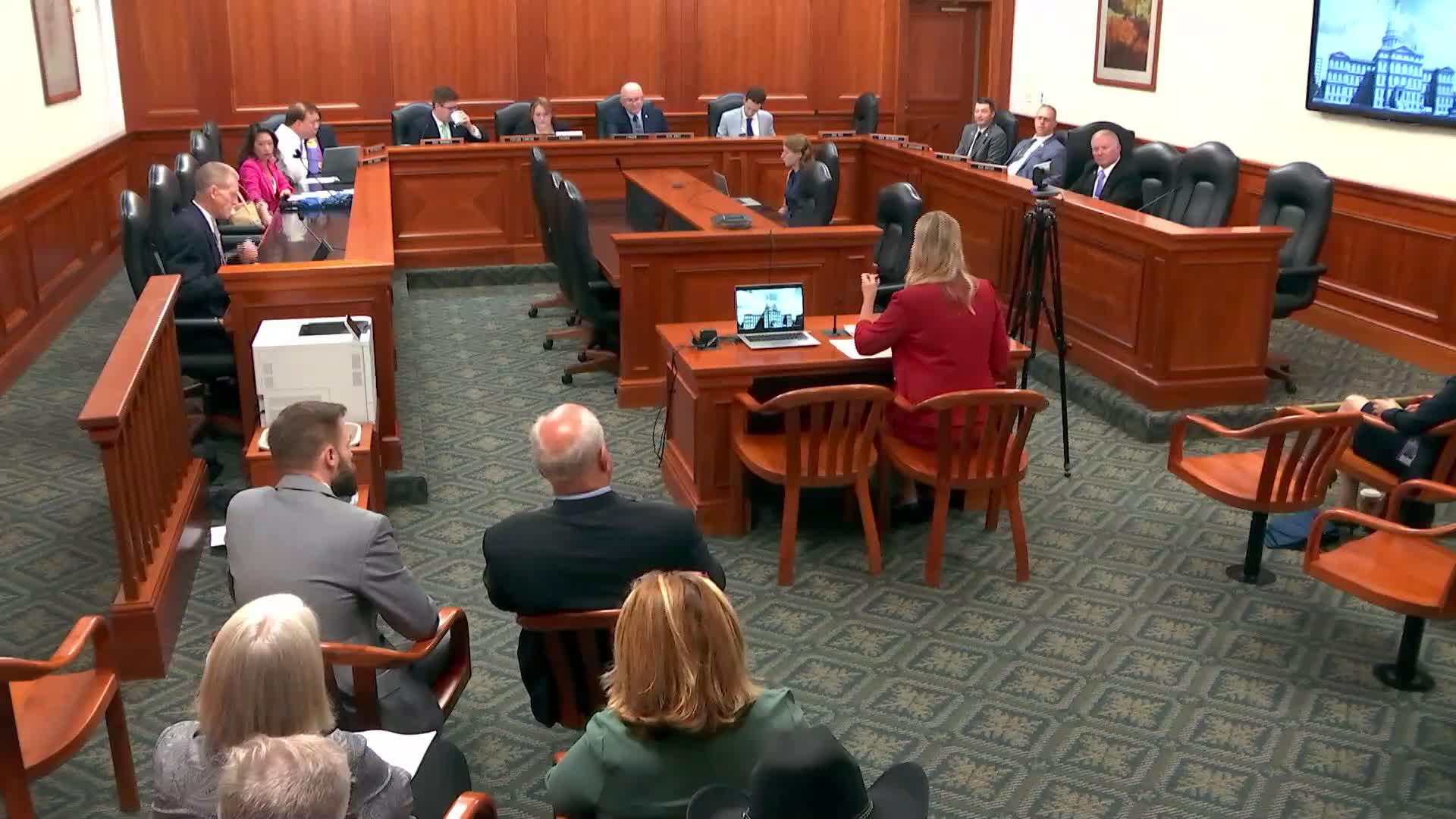
House panel moves to report bill banning ranked‑choice voting after hours of testimony
Summary
The House Committee on Election Integrity reported HB 4,707 with a 6‑3 committee vote after testimony for and against a statewide ban on ranked‑choice voting; witnesses cited auditing, cost and voter‑confusion concerns while supporters urged expanded voter choice.
The House Committee on Election Integrity voted to report House Bill 4,707 with a recommendation after extended testimony and questions about ranked‑choice voting (RCV).
Representative Hoadley moved the bill out of committee and, after a roll call, the motion prevailed with six yeas and three nays. The transcript records the roll call as: Smith — yes; Spots — yes; Altman — yes; Alexander — yes; Hoadley — yes; Pablo — yes; Wooden — no; Colzard — no; Song — no. The bill will be referred onward per the committee’s rules process.
Sponsor testimony and opponents’ concerns
Sponsor Chair Smith said HB 4,707 would "ensure that the principles of 1 person, 1 vote continues" and argued RCV would add confusion and further strain clerks after the 2022 changes from Proposal 2. "By prohibiting ranked choice voting, we will ensure that the principles of 1 person, 1 vote continues," she said.
A string of witnesses testified both for and against the bill. Trent England of Honest Elections testified that RCV "makes voting harder at every step of the way," citing ballot design, longer instructions and more complicated tabulation; he described a California (Alameda County/Oakland-area) case where software misconfiguration and ranking 'gaps' produced wrong tallies that were discovered only later by outside analysts.
Jason Snead, executive director of the Elections Project ACTION and cochair of the Stop RCV Coalition, told the committee RCV is "a solution in search of a problem," warning that it often requires centralized tabulation, can delay results for weeks (he cited Alaska and New York City examples) and imposes substantial implementation and education costs; he referenced New York City's first use and a $15 million reeducation figure cited during testimony.
Opponents of the ban argued RCV expands voter choice and reduces post‑primary intra‑party contests. Joe Spalding, campaign director for Rank My Vote, said the error rate for ranked ballots "is roughly the same as single choice elections" and described RCV as "a level playing field that favors voters, not political parties." He noted Michigan currently uses a modified ranked method in some primaries for attorney general and secretary of state nominations.
Clerks and auditors raised operational concerns on both sides of the debate. Shelly Lake, a deputy township clerk, told the committee her office ran a mock ranked ballot and found absentee ballots could be unintentionally spoiled, increasing the rate of spoiled ballots; Jeff Schaeffer, representing Pure Integrity in Michigan Elections, stressed auditability issues and suggested traditional runoff elections as an alternative.
What the committee voted on
Before the vote on HB 4,707 the committee also moved HB 4,642 to the Rules Committee by voice/roll call (the motion prevailed 9‑0 as recorded). For HB 4,707, Representative Hoadley moved to report the bill with recommendation; the roll call produced six yeas and three nays and the motion prevailed. The transcript records that the committee "reported with recommendation."
Claims and contested points
Witnesses for the ban emphasized auditing and operational risks, citing examples of miscounts, ballot exhaustion and long delays in jurisdictions that have experimented with RCV. Witnesses opposed to the ban countered that RCV can reduce spoiler effects and increase voter choice and that error rates are comparable to single‑choice voting in practice.
Next steps
HB 4,707 was reported from committee with a recommendation and will proceed through the legislative process for further consideration. Committee testimony included specific operational and legal claims that should be verified in follow‑up reporting, including the cited $15 million education figure and examples of miscounts and delays.