Get Full Government Meeting Transcripts, Videos, & Alerts Forever!
Get email alerts on the Clerk Appointment topic
No spam. Unsubscribe anytime.
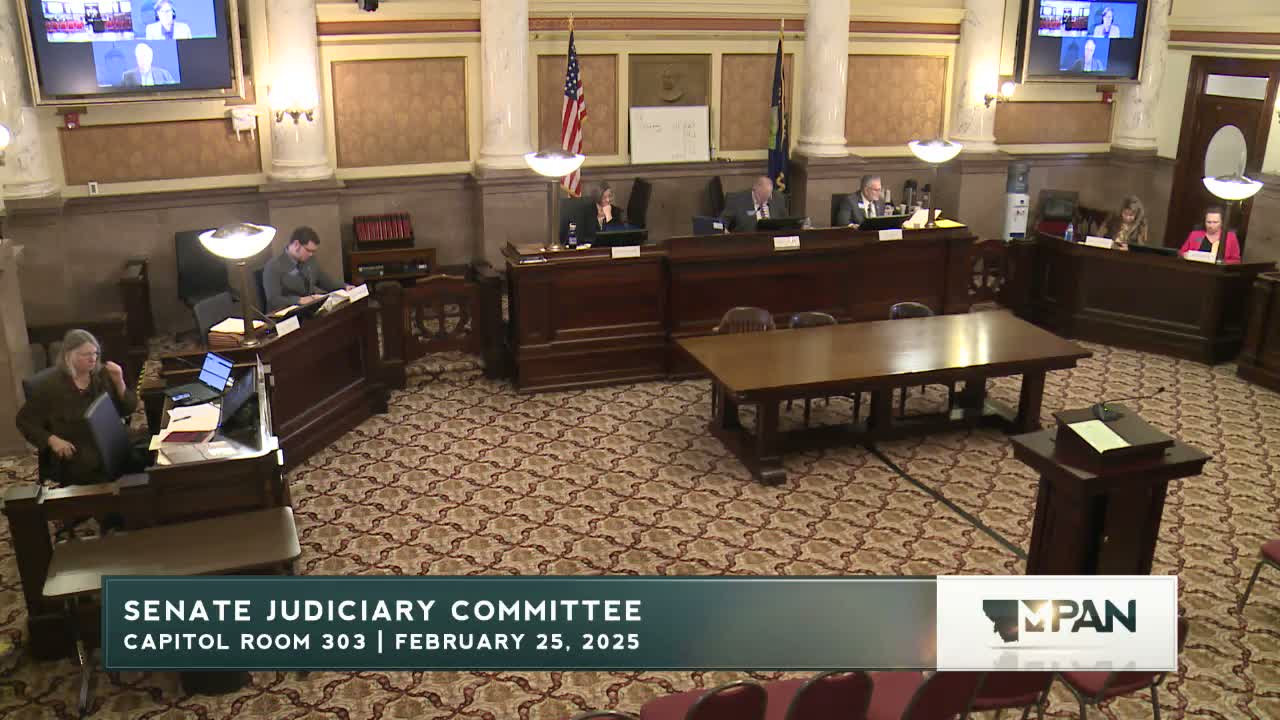
Committee Debates Whether Clerk of Supreme Court Should Be Appointed; SB332 Tabled
Summary
Senate Bill 332 would make the Clerk of the Montana Supreme Court an appointed position by the seven justices. Proponents argued it professionalizes the role; opponents, including the elected clerk, said it removes democratic accountability. The committee voted to table SB332 (5–3).
Senate Bill 332 proposed converting the Clerk of the Montana Supreme Court from an elected office to an appointed position chosen by the seven justices of the court. Sponsor Senator Willis Curti said the role is administrative and should be treated like other professional state positions that are filled based on qualifications and experience. He said the justices would establish hiring criteria and score applicants, and that this change would align the clerk’s hiring with the court’s administrative needs.
Supporters, including tribal representatives, argued the move would reduce partisanship in court administration and ensure candidates have appropriate qualifications. Opponents bitterly disagreed. Bowen Greenwood, the elected Clerk of the Supreme Court, testified in opposition, arguing that the current elected model preserves independence and allows the clerk to hold the court accountable; he warned that an appointed clerk could simply be dismissed if the court sought to operate outside its rules.
Committee members asked detailed questions about the meaning of language that the clerk ‘‘holds the position at the pleasure of the court,’’ the employee protections under state law (just‑cause requirements), whether the change would create a political appointee, and historical reasons to preserve the elected position. The sponsor said the bill is intended to be a professional hiring process and not political targeting, and noted a companion bill that would make the office nonpartisan was also possible.
After extended questioning and debate the committee held a roll‑call vote on a motion to table Senate Bill 332; the motion carried 5–3 and the bill was tabled in Senate Judiciary.