Get Full Government Meeting Transcripts, Videos, & Alerts Forever!
Get email alerts on the Waste Management topic
No spam. Unsubscribe anytime.
Residents press council on proposed waste-hauler changes and microplastics concerns
Summary
Several residents, including leaders from Sterling Oaks associations, urged the council to reconsider or exempt condo and mobile-home communities from a proposed garbage contract that may raise monthly fees; another speaker urged a national bottle-deposit to reduce microplastics.
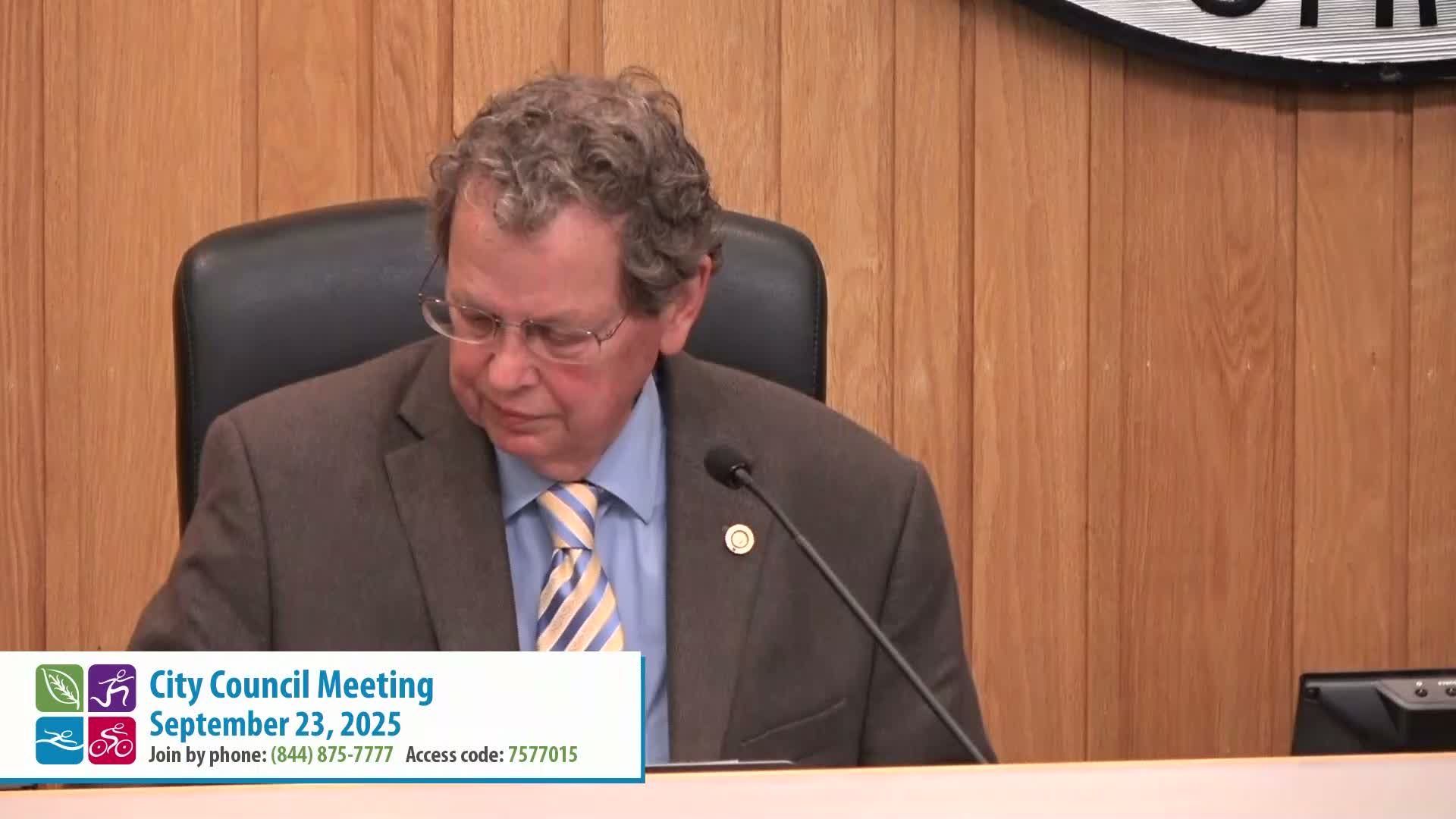
During public comment at the Sept. 23 Portage City Council meeting, multiple residents raised concerns about a proposed city garbage contract and its potential cost impacts on condominium and mobile-home communities.
Wayne Johnson, president of Sterling Oak South condominiums, said his community of 88 units currently pays $9 per unit monthly and that the city proposal would raise the fee to over $14 per month, an increase of more than $5 per unit. He asked what benefits condo owners would receive under the city’s proposed contract and requested that the city exempt his association from the additional cost or otherwise address the inequity.
Andrea Kidney, representing Sterling Oaks North, said she has communicated with city staff and the city attorney and urged the council to hold a special meeting with condo and mobile-home associations before final decisions on a single waste hauler. Council staff acknowledged conversations with association representatives and said decisions had not yet been finalized.
Separately, Alan Loveridge spoke about microplastics and proposed a national 10¢ bottle deposit and a 5¢ price-included charge to encourage refillable retail options and reduce single-use plastic pollution.
Council responses at the meeting focused on the process: staff said eligibility decisions for association treatment were not final and encouraged continued engagement between administration and affected communities.