Get Full Government Meeting Transcripts, Videos, & Alerts Forever!
Get email alerts on the Causeway Repairs topic
No spam. Unsubscribe anytime.
Pinellas County outlines $1.3 million causeway erosion repair, to pilot one-way circulation in October
Summary
Pinellas County told Dunedin commissioners the Dunedin Causeway suffered two storm-damage sites: a completed $60,000 emergency bridge repair and an estimated $1.3 million embankment erosion. The county plans to seek FEMA reimbursement and pilot a north-side one-way circulation in October while proposing bollards and guardrails to stop vehicles from getting onto the Pinellas Trail.
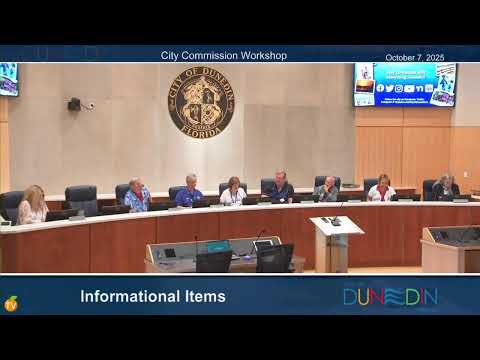
Pinellas County officials briefed the Dunedin City Commission on storm damage to the Dunedin Causeway and plans to both repair erosion and pilot a new traffic circulation pattern.
Tom Washburn of the Pinellas County Transportation Division told the commission the county completed an emergency bridge and sidewalk repair that cost about $60,000 and submitted paperwork to FEMA and FDOT for reimbursement. He said the more significant damage is erosion on the causeway's southwest embankment, and that the county's estimate has increased from roughly $440,000 earlier this year to about $1,300,000 in the latest submission to FEMA.
"We're up to about $1,300,000," Washburn said, noting the county is processing FEMA/FDOT grant agreements and has no firm timeline for award. Once the agreement is in place, he said, the county intends to mobilize within two weeks, open the affected parking area within two months and complete the embankment repairs in roughly three to four months.
Separately, Washburn described a traffic-management pilot: the county will pilot one-way vehicle circulation on the North Side of the causeway, installing signage and variable message boards rather than pavement markings so operators can evaluate how the change functions before considering the South Side. "Our intention is to have those installed by October," he said.
Washburn also showed photos of several incidents where vehicles ended up on the Pinellas Trail and proposed moving a pedestrian crossing and installing guardrail or railing treatments and standard bollards at the trail entrances so vehicles cannot drive onto the trail. He said the county will coordinate with city staff and the Pinellas County Sheriff's Office on enforcement.
Commissioners pressed for timing and asked whether the jet-ski area would be closed permanently. Washburn said the county has no plan to permanently close jet-ski access and that any change to recreational access would be discussed with the city and stakeholder groups.
Public comment reflected a range of views. Former Commissioner John Tornga recommended limiting right turns at two west-end entrances as a way to preserve two-way circulation while reducing cut-through behavior. Some residents who use personal watercraft urged balanced solutions so responsible users are not prohibited; others said that reduced jet-ski activity after the hurricane has allowed marine life to rebound and urged protections for wildlife.
County staff said the county will pilot the north-side circulation, collect operational feedback, coordinate law enforcement and return to the city before moving forward with a south-side pilot or other permanent changes.
If FEMA or FDOT do not execute reimbursement agreements, Washburn warned the county may have to fund repairs directly. Commissioners asked staff to keep residents informed and requested that the county and city schedule follow-up briefings as pilots and repairs are implemented.