Get Full Government Meeting Transcripts, Videos, & Alerts Forever!
Get email alerts on the Housing Policy topic
No spam. Unsubscribe anytime.
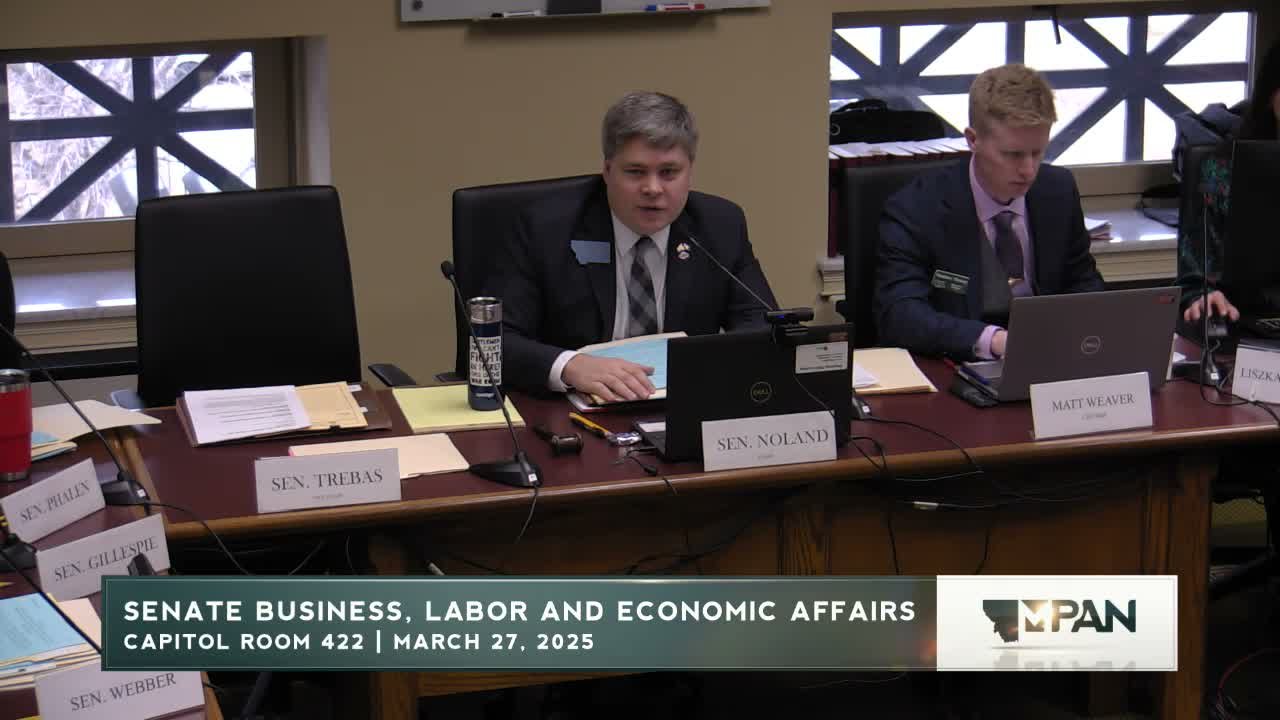
Senators weigh refund requirement for rental application fees amid landlord pushback
Summary
HB 311 would require landlords or managers to refund application fees to applicants not selected. Supporters said it would curb predatory practices that impose hundreds in fees on renters; landlord groups and property managers warned it would be cumbersome and suggested study or different placement in law.
Representative Kelly Kortum opened HB 311 by describing a common complaint in competitive rental markets: multiple applicants each pay fees that are never returned. Kortum summarized the bill in one sentence: "a landlord or manager may not retain the cost of a service that was not performed," and proposed refunding application fees for people not selected as tenants.
Proponents emphasized the burden on renters. A student representative said applying to multiple properties cost him $200 in one season. Kortum used an industry example to illustrate scale: "That's 18 times 50. It's $900 of profit for no service provided," he said, describing a management firm that received many application fees for a single unit. Montana Budget and Policy Center and city officials said refunding would help low‑income renters and students.
Opponents, including the Montana Landlord Association and the Montana Association of Realtors, said the bill as drafted is likely to be administratively burdensome. John Sinrud (Montana Landlord Association) argued the bill could inadvertently invoke landlord‑tenant obligations and urged placing requirements under property manager licensing rules in Title 37 or considering a study bill. Industry witnesses raised technical issues with third‑party application platforms (AppFolio), timing and accounting for refunds, and potential litigation exposure without a clear fiscal note.
Committee questions focused on how application fees are collected and accounted for, whether AppFolio and similar platforms stamp applications with a timestamp, and whether the remedy should be placed under property manager licensing rather than tenant‑landlord law. Sponsors and opponents discussed possible amendments to narrow applicability and the tradeoffs between consumer protection and administrative feasibility.
The hearing ended with sponsor remarks that the measure is a narrow fix to an ongoing fairness problem; the committee closed the hearing and may consider amendments or further study.