Get Full Government Meeting Transcripts, Videos, & Alerts Forever!
Get email alerts on the Economic Development topic
No spam. Unsubscribe anytime.
City council reviews Aerotropolis-backed industrial district for 100,000-sq.-ft. expansion; 50% tax abatement proposed
Summary
A Kern Industrial Services proposal for a 100,000-square-foot expansion in Taylor would bring an estimated $13 million in investment and 30–40 jobs; the Aerotropolis board has established an Industrial Development District and council approved the district and accompanying rezoning, with staff to negotiate a community benefit agreement.
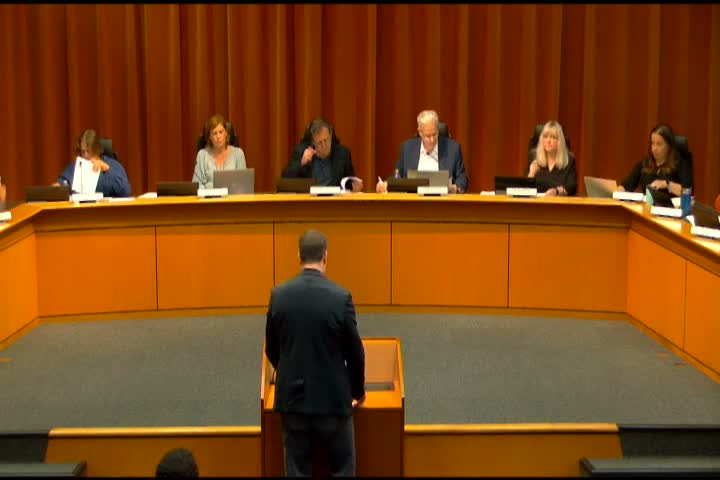
Taylor City Council on Oct. 7 reviewed a proposal tied to an Aerotropolis-backed Industrial Development District for a 100,000‑square‑foot expansion by Kern Industrial Services at a Lang Road site.
A representative for Kern Industrial Services told the council the capital investment for the expansion would be “about $13,000,000” and that the project would create “about 30 to 40 jobs.” The Aerotropolis board voted Sept. 11 to establish the Industrial Development District; the council approved the district at Tuesday’s meeting as step one in a two-step process that can lead to an Industrial Facilities Exemption Certificate from the Michigan Department of Treasury.
The presenter said the city’s scoring would result in a 50% tax abatement for five years on the new addition only — the company would continue paying regular taxes on the existing building. "They would receive a 50% abatement for 5 years," the representative said when asked about the length and scope of the abatement.
Council members pressed staff on implementation details. Officials said the next step is negotiating a community benefit agreement that staff and the company will use to formalize local hiring and contracting preferences; the presenter said the agreement would stipulate that jobs created by the expansion go to City of Taylor residents first and that the construction work would prioritize local contractors for tier‑2 and tier‑3 subcontracting opportunities.
Council members and staff also discussed site details and zoning. Planning staff said the rezoning and district designation were intended to align property use with the company’s expansion plans and to correct zoning‑map discrepancies where needed. The presenter and staff said they had met with the company’s representatives and visited the site with council members when possible.
No final tax incentive agreement or exemption certificate was approved at Tuesday’s meeting; council action at the meeting was limited to accepting the Industrial Development District and related procedural items and approving a rezoning that staff described as cleaning up a map discrepancy. Staff said the community benefit agreement, the formal abatement request and any long‑term incentive would return to council for review before any exemption is finalized.
The council did not tie any specific dollar amounts from local budgets to the district approval; instead, staff framed the action as enabling the company to pursue the statutory process for an exemption certificate and committing to negotiate a benefits package for residents.
Council members asked staff to return with more details and a draft community benefit agreement before the city signs any final Treasury paperwork. The council approved the Industrial Development District and the related zoning corrections by voice vote.