Get Full Government Meeting Transcripts, Videos, & Alerts Forever!
Get email alerts on the Child Welfare topic
No spam. Unsubscribe anytime.
Sponsor seeks to limit child‑welfare intervention over gender‑identity parenting; advocates warn of harm
Summary
Representative Mercer’s HB 690 would expand legislators' access to DPHHS child‑protection records and add language excluding as 'abuse' parental decisions to raise a child 'consistent with the child's biological sex'; proponents cited tribal concerns and disproportionate CPS involvement, opponents said the changes would prevent intervention in genuine abuse and raise risks to trans youth.
House Bill 690 combined two contentious elements: a statutory clarification to ensure legislators can review child‑protection records when requested by parents (with confidentiality safeguards and a judicial process to resolve attorney‑client privilege disputes), and broad changes to abuse and neglect definitions that would exclude parental actions to raise a child "consistent with the child's biological sex," including related mental‑health or medical decisions.
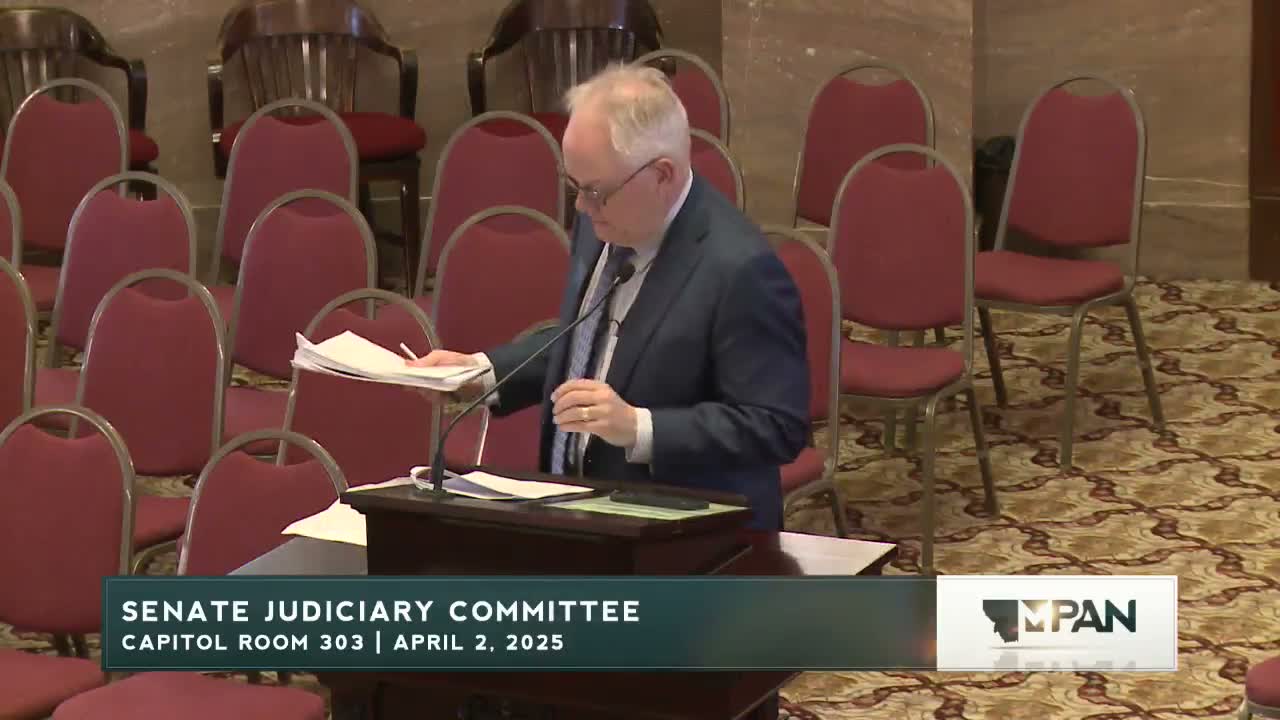
Sponsor Representative Bill Mercer described a recent court case he litigated establishing a legislator's right to review DPHHS records and said the bill codifies that access while preserving nondisclosure of attorney‑client privileged materials unless a court orders otherwise. The bill’s second component, the sponsor asserted, is intended to prevent child‑welfare removal for parental decisions about gendered upbringing.
Opponents — including clinicians, the ACLU, survivors and advocates — warned the proposed carve‑outs would constrain the department's ability to act when a child's safety is at risk, permit conversion‑therapy‑style interventions, and produce measurable harms to transgender youth. Several opponents cited evidence linking unsupportive family environments to elevated suicide risk and argued that denying the state's ability to intervene would worsen outcomes for vulnerable children.
Tribal proponents and other witnesses urged more transparency and access to child‑welfare data; the committee discussed the balance between legislative oversight, confidentiality and child safety. The hearing produced pointed debate about scope and consequences and ended without a committee action.