Get Full Government Meeting Transcripts, Videos, & Alerts Forever!
Get email alerts on the Judicial Accountability topic
No spam. Unsubscribe anytime.
SB 48 would let JSC complainants speak publicly; judges’ groups warn of harm
Summary
Sen. Glenn’s SB 48 would remove a confidentiality rule that bars Judicial Standards Commission complainants from speaking publicly about an allegation after filing; the State Bar and Montana Judges Association warned publicity before initial review would be used politically and could damage judges’ reputations, while the sponsor framed the bill as restoring free speech and transparency.
Sen. Glenn introduced Senate Bill 48 as a measure to allow citizens who file complaints with the Judicial Standards Commission to speak publicly about those complaints. Glenn said the existing rule requires complainants to remain confidential after filing, creating what he described as a "gag order" that limits free speech.
Bruce Spencer, representing the State Bar of Montana and the Montana Judges Association, opposed the bill, arguing confidentiality protects judges from frivolous or politically motivated complaints. "Ninety-eight percent of complaints against judges are dismissed at the initial stage," Spencer said, and he warned that public disclosure of filings before an initial merits review would create front-page accusations with little later vindication when complaints are dismissed.
Spencer and other questioners cited a recent legislative audit and prior changes (Senate Bill 313) that increased reporting on complaints and said those changes already improved transparency. Committee members asked whether publication before initial review could create a vindication problem and whether complaints could be handled through existing JSC or court processes; Spencer said current rules provide appropriate confidentiality until a complaint meets minimum standards for investigation.
Sponsor Glenn and supporters argued the bill is a free-speech and transparency measure that would allow citizens to speak about complaints they have filed. Glenn said he supports disclosure as an accountability tool and urged the committee to pass the bill.
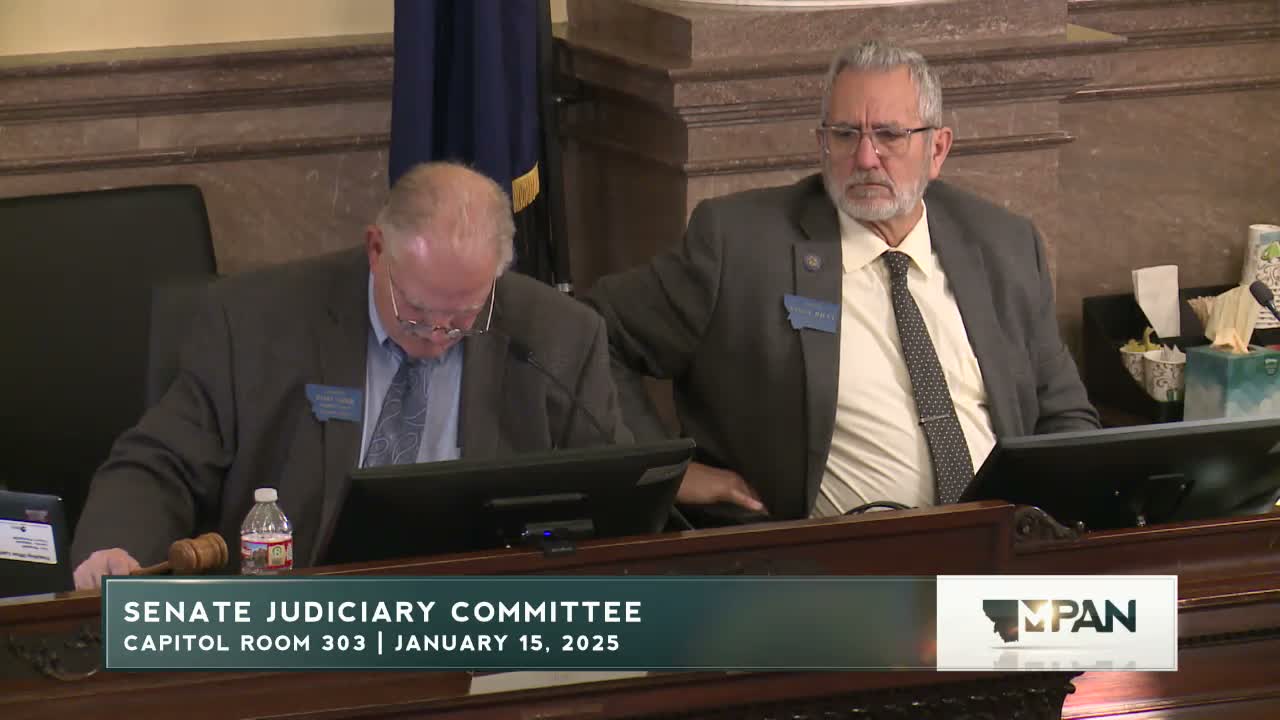
No formal votes were recorded in the hearing; senators questioned both the confidentiality rationale and the potential for political misuse. The hearing record ends with the sponsor urging passage and the chair closing the hearing.