Get Full Government Meeting Transcripts, Videos, & Alerts Forever!
Get email alerts on the Pregnancy Centers topic
No spam. Unsubscribe anytime.
Montana hearing on HB 388 splits over regulation of pregnancy centers
Summary
Proponents told the Senate Judiciary Committee that pregnancy centers provide free medical and material services and should be protected from government compulsion; opponents warned HB 388 would shield unregulated centers from oversight, risk patient privacy and allow unproven practices such as 'abortion reversal.'
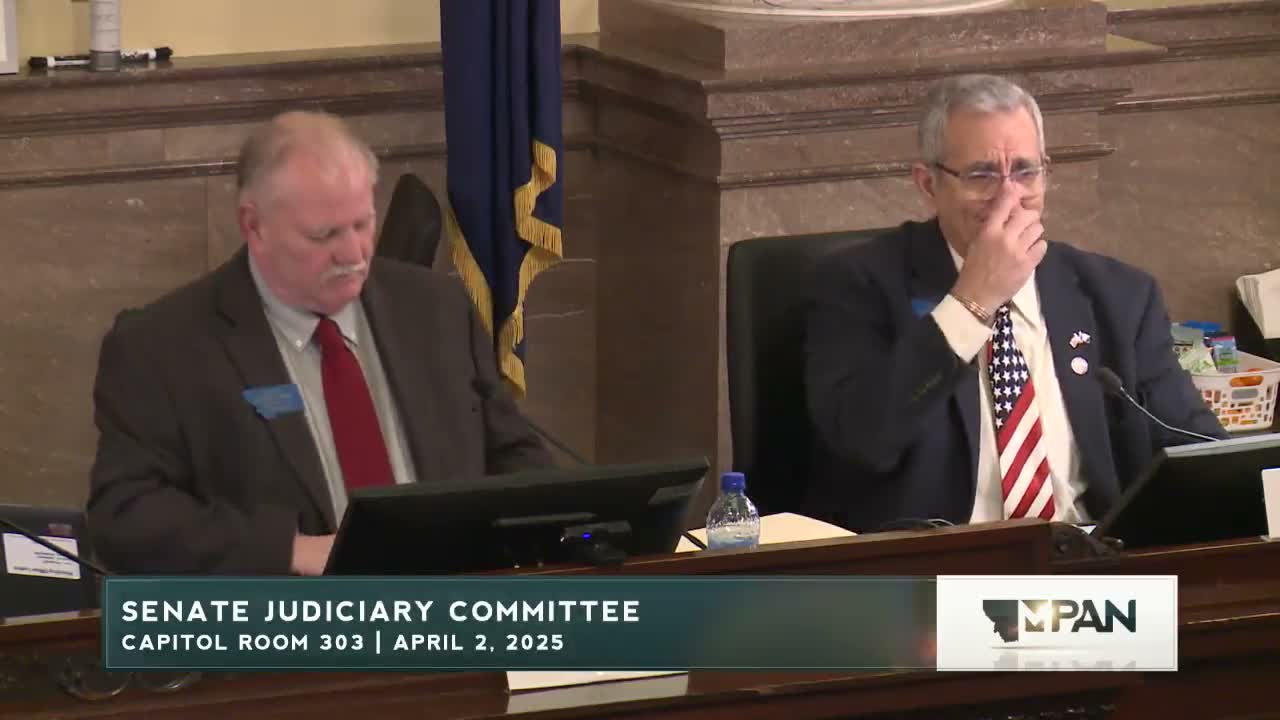
House Bill 388 drew a long day of testimony in the Senate Judiciary Committee as supporters and opponents debated whether pregnancy resource centers should be insulated from regulation.
Representative Amy Riggier, the bill sponsor, said HB 388 affirms the constitutional rights of pregnancy centers to operate according to their mission and would protect them from government actions that force speech or conduct contrary to that mission. Supporters — including clinic directors, nurses and legal counsel for faith‑based groups — described services such as free pregnancy tests, limited obstetrical ultrasounds, STD testing, parenting education and supply distribution and said many centers pursue voluntary accreditation (AAAHC) and employ licensed professionals (testimony from Tracy Uhlery, Michelle Reimer, and others). “Pregnancy centers provide vital prenatal and postnatal services that many clients would not otherwise receive,” a proponent testified.
Opponents, led by Quinn Leighton of Planned Parenthood Advocates of Montana and medical and advocacy groups, warned the bill would remove state and local guardrails that protect patients. They argued some centers present themselves as clinical providers while avoiding medical oversight and protections such as HIPAA, and they flagged evidence of deceptive practices and privacy breaches in other states. As Quinn Leighton put it, HB 388 “could allow pregnancy centers to operate without oversight” and tie legislators’ hands in protecting patients.
Several witnesses highlighted a narrower medical concern: Dr. Melissa Chen, an obstetrician‑gynecologist who studies the practice known as “abortion reversal,” said randomized research and an early terminated trial showed safety risks and no convincing evidence of benefit; she urged caution in endorsing or de‑regulating practices with documented harms.
Committee members questioned witnesses about accreditation, the difference between pregnancy resource centers and pregnancy medical clinics, and which centers currently pursue AAACH standards. The Department of Public Health and Human Services representative and multiple witnesses noted that many centers are not HIPAA‑covered entities and that notice language on some centers’ websites can be misleading.
The hearing closed without a committee vote; members asked for additional documentation and citations from witnesses. The record shows a clear divide: proponents emphasize constitutional conscience and free‑speech protections and the services centers provide; opponents stress consumer protections, privacy and clinical safety.