Get Full Government Meeting Transcripts, Videos, & Alerts Forever!
Get email alerts on the Neighborhood Revitalization topic
No spam. Unsubscribe anytime.
La Crosse neighborhood commission weighs refocus on policy, eyes steps to address long-term vacant properties
Summary
At its Sept. 3 meeting the Neighborhood Revitalization Commission reviewed a revised 2025–26 action-plan matrix and debated whether to prioritize policy work—such as legal and fee-based responses to long-term vacant properties—or community events and outreach; staff will research options and return with recommendations.
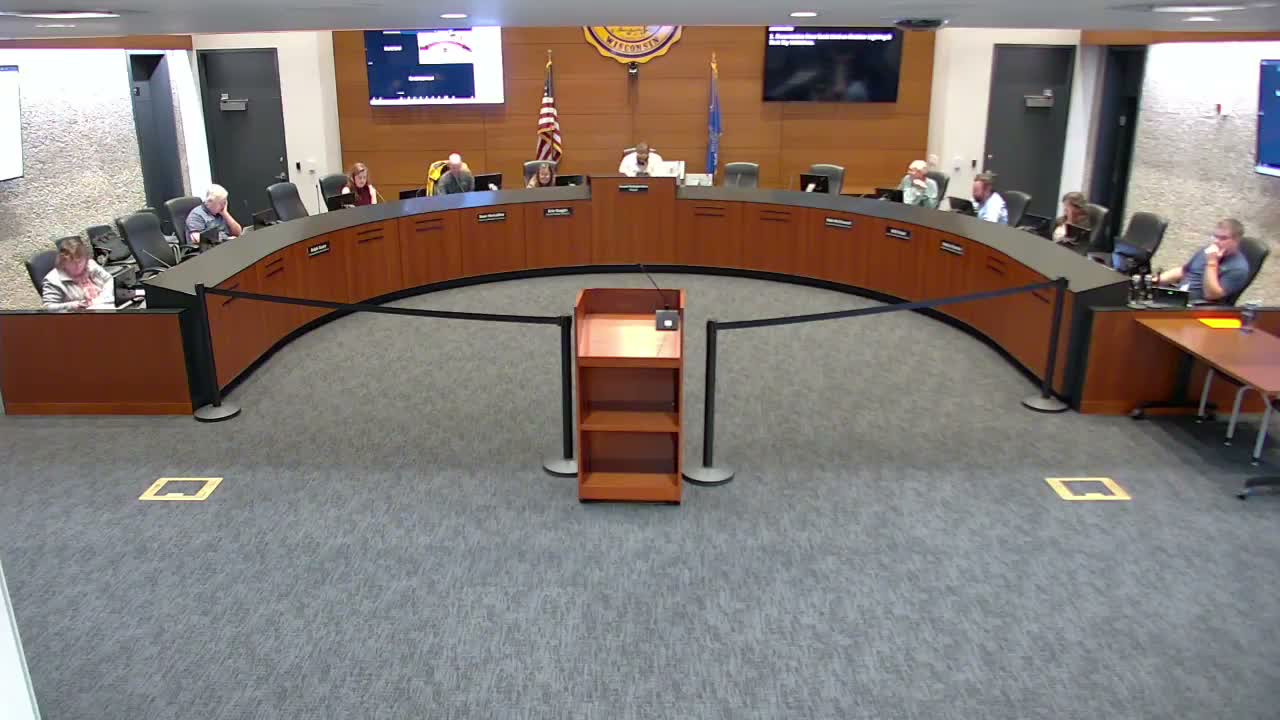
The La Crosse Neighborhood Revitalization Commission met Sept. 3 and debated whether to steer its 2025–26 work toward policy-making or toward neighborhood engagement activities as staff presented a revised action-plan matrix.
Tim (deputy director) summarized the draft matrix, saying the document reorganizes goals, objectives and actions based on feedback from previous meetings. "The purpose of the NRC is to act as an advisory body to the common council in implementing the comprehensive plan," Tim said, reading from the municipal code and urging commissioners to use the comp plan as a policy reference.
Several commissioners urged a stronger policy focus. Council member Goggin said the commission should "dig into how to revitalize a neighborhood and what that means," linking neighbor-to-neighbor connections with safety. Commissioner Stein flagged long‑term vacant and underutilized properties downtown and in other neighborhoods as a priority, asking whether the city could use fees, fines or other levers to encourage owners to renovate or sell.
Commissioner McDonald and others also recommended community-building activities—block parties, a winter event to complement National Night Out and a revived mayor's conference—as a way to recruit volunteers and boost association membership. Tim and other commissioners said the commission can do both: pursue policy-driven work (zoning, short-term rentals, accessory dwelling units) while supporting neighborhood outreach.
The group focused particularly on vacant-property policy options after members described houses and commercial sites that have remained empty for years. Tim noted the city maintains a vacant-building registration for properties vacant longer than six months and that owners must register and pay an annual fee, but he said staff would verify the precise fee schedule and enforcement authorities. A member reported finding an online reference that the current registration fee is "$500 and incrementally increases thereafter up to a thousand and only 250 per registration," and Tim said staff would confirm the correct figures before the commission acts.
Members asked staff to research other cities' approaches, the legal limits of enforcement (including potential landlord‑rights concerns) and programs that combine incentives and targeted investment. The commission agreed to request a staff report with legal review and examples from other municipalities and signaled interest in drafting specific policy recommendations to forward to the common council.
As next steps, Tim said staff will: add more policy actions to the matrix (including lighting-related items), provide a comp‑plan link and return with a report on vacant-property fees, enforcement options and neighborhood-investment programs. The commission adjourned after a short round of neighborhood updates.