Get Full Government Meeting Transcripts, Videos, & Alerts Forever!
Get email alerts on the Hearing Aid Coverage topic
No spam. Unsubscribe anytime.
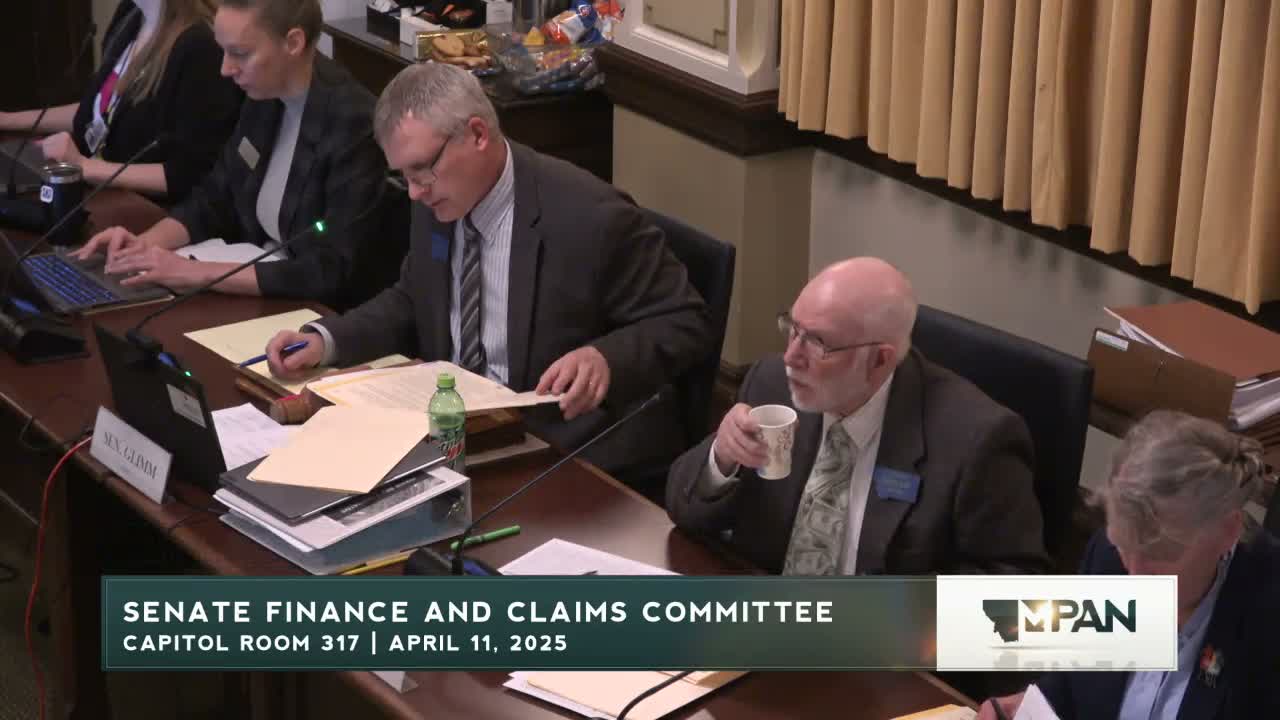
Committee narrowly concurs in hearing‑aid coverage bill after fiscal debate
Summary
The Senate Finance and Claims committee concurred in House Bill 607, the Hearing Aid Coverage Act, by roll‑call (12–10) after sponsors and advocates disputed a fiscal office estimate; witnesses differed on per‑device cost and estimated utilization.
The Senate Finance and Claims Committee voted to concur in House Bill 607, the Hearing Aid Coverage Act, after a focused fiscal‑note hearing and a roll‑call vote that passed 12–10. Representative Paul Tuss (House District 27) said the fiscal office’s $507,000 annual estimate is overstated and presented a sponsor rebuttal that substitutes a lower per‑device price, producing a projected cost near $276,000 per year.
Why it matters: The bill would require certain insurance plans to cover hearing aids. Sponsors and advocates emphasized improved access and reduced long‑term social costs from untreated hearing loss, while fiscal witnesses and insurance carriers described how deductibles, co‑pays and utilization assumptions drive the fiscal estimate.
What testimony showed: Kristen Page Nye of AARP Montana and advocates said retail prices have fallen and cited an average single‑device retail price of $2,560 and a pair averaging $4,672; they noted October FDA action allowing over‑the‑counter hearing aids helped reduce prices. Frank Cote, representing the commissioner of securities and insurance, said carriers estimated roughly $4,000 on average for a pair and used carrier responses and utilization models to arrive at the fiscal office figure. State plan testimony described an actuary’s estimate that about 460 state plan members have hearing loss and outlined the fiscal office's line items.
Debate and outcome: Opponents characterized the bill as an unfunded mandate that could raise state costs and require future appropriations; proponents argued the fiscal note is conservative and that competition and purchasing power will lower costs. The committee concurred in the bill on a roll‑call vote and recorded the outcome to move the measure forward.