Get Full Government Meeting Transcripts, Videos, & Alerts Forever!
Get email alerts on the Apprenticeship topic
No spam. Unsubscribe anytime.
Montana lawmakers consider using registered apprenticeships as pathway to licensure
Summary
House Bill 336 would allow registered apprenticeship to be used as an authorized pathway to occupational licensure in many Title 37 professions; proponents said apprenticeship expands access, raises wages and fills workforce shortages, while some stakeholders urged safeguards for sensitive professions such as massage therapy.
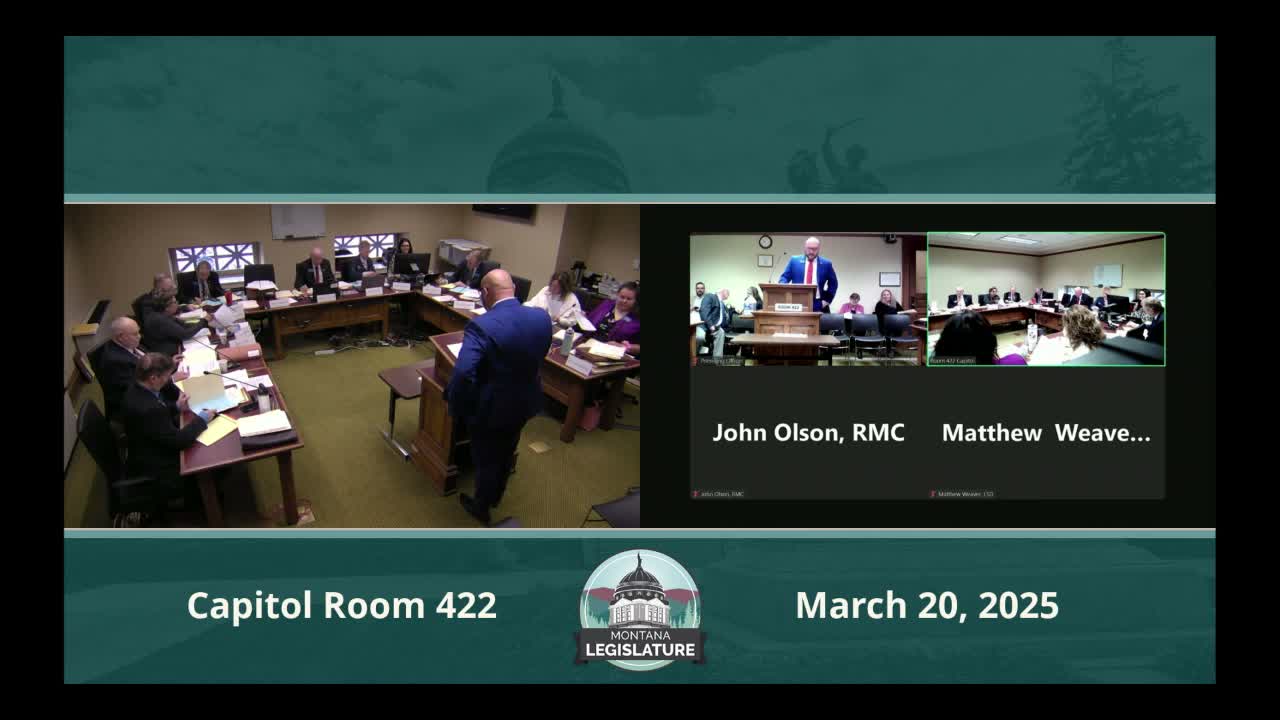
The Senate Business, Labor and Economic Affairs Committee heard extensive testimony on House Bill 336, which would permit registered apprenticeship programs to be used as a pathway to occupational licensure in many professions currently governed by Title 37.
Representative Curtis Schomer, sponsor, described the bill as a way to open earn-while-you-learn pathways that mirror longstanding trades apprenticeships and deliver credentials without forcing trainees to relocate for classroom programs. Commissioner Sarah Swanson said apprenticeship has a strong return on investment: apprentices often remain with sponsoring employers at high rates and earn substantially more than peers after completion.
Trade, health-care and training organizations testified in favor: building trades, unions, health-care apprenticeship intermediaries and hospital associations described apprenticeship models that combine related instruction (classroom/college credit) with on-the-job training, staged competency milestones and monitored wage increases.
Several witnesses addressed industry-specific concerns. Massage-therapy stakeholders and anti-trafficking experts asked for careful safeguards, age minimum checks and statutory clarity to avoid creating avenues for exploitation; some proposed temporarily excluding massage therapy while stakeholders develop specific protections. Supporters said licensing standards would still govern the minimum age and training required and that apprenticeship programs must meet licensing exam and curriculum requirements.
Proponents noted apprenticeship can help rural communities and underrepresented populations enter licensed professions without large student debt; opponents were limited in the hearing, and several senators asked about youth pre-apprenticeship programs, high-school collaboration, and how apprenticeship integrates with 2-year colleges.
The committee closed the hearing after broad stakeholder discussion and later included the bill in the committee's executive action package.