Get Full Government Meeting Transcripts, Videos, & Alerts Forever!
Get email alerts on the Interstate Compact Respiratory Care topic
No spam. Unsubscribe anytime.
Panel backs interstate respiratory‑care compact as a way to speed licensing (House Bill 447)
Summary
House Bill 447 would enact the respiratory care interstate compact, letting respiratory therapists licensed in participating states work in Montana. Sponsor and health‑care proponents said the compact increases license mobility and helps hospitals recruit needed staff; the measure includes a contingent effective date that requires a multi‑state threshold before it becomes operative.
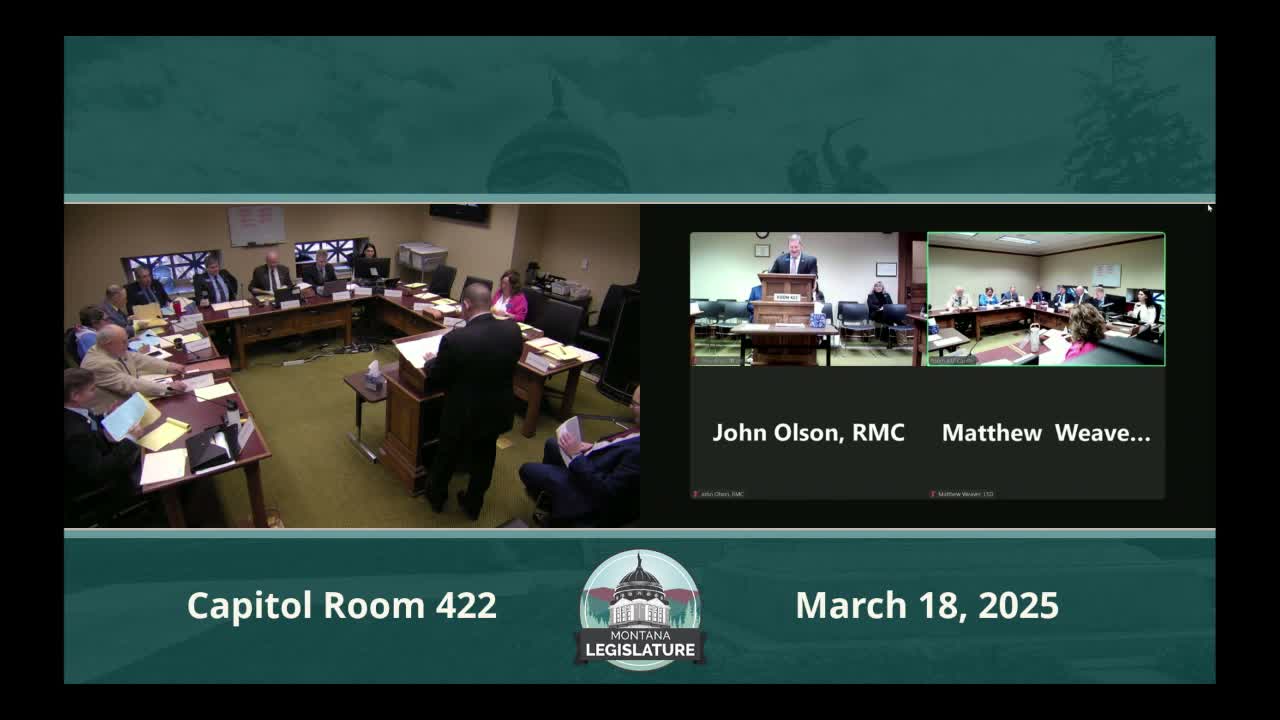
Representative Ed Buttry told the Senate that House Bill 447 "enacts a respiratory care interstate compact in Montana" to recognize qualified respiratory care licensees from other jurisdictions and ease workforce shortages. Sponsor testimony noted the compact's contingent effective date: it will take effect only after a specified number of other states adopt the compact.
Heather O'Hara of the Montana Hospital Association described health‑care benefits in testimony, saying the bill would "reduce regulation and cost to the respiratory care licensees by modernizing licensing laws" and increase license mobility. Maddie Tyson of Billings Clinic Logan Health and other provider representatives testified that interstate compacts expedite credentialing and help hospitals recruit needed clinicians.
Department counsel and the committee discussed implementation and fiscal details. Representative Buttry flagged a small, one‑time technology cost for implementation (noted in the fiscal note as $13,000.80) that would be paid by licensing boards rather than the general fund; Department counsel said the department is prepared to implement the compact when the statutory threshold of member states is met.
No opponents appeared. Committee members asked clarifying questions about how compacts are drafted and about public‑safety and disciplinary reciprocity among member states. The hearing concluded without a committee vote.