Get Full Government Meeting Transcripts, Videos, & Alerts Forever!
Get email alerts on the Public Safety Policy topic
No spam. Unsubscribe anytime.
Proposal to give trained volunteer security teams civil immunity draws concern over oversight and militia risks
Summary
HB 478 would grant civil immunity to volunteer security team members who meet specified training and recordkeeping requirements and act during declared emergencies; supporters said the bill formalizes training, while opponents and an informational witness from the Department of Labor warned it could evade existing licensing, raise church/state questions and create transparency gaps.
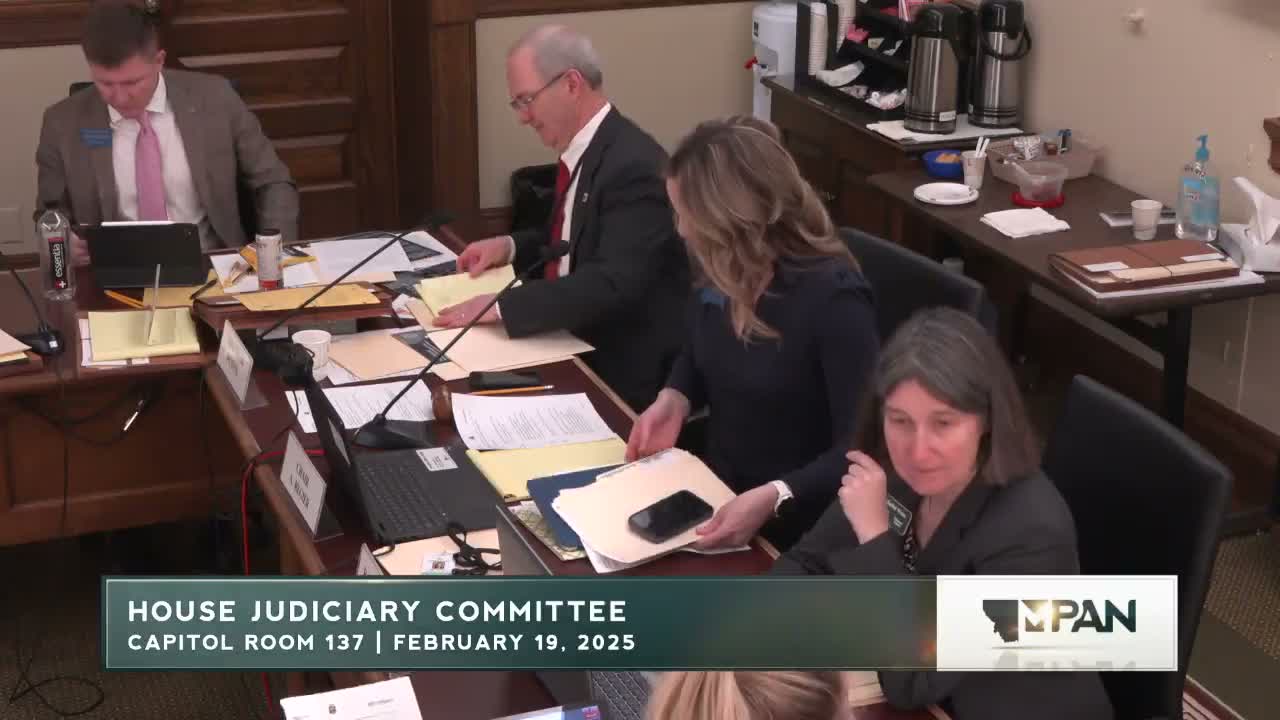
Representative Nellie Nicholl opened HB 478, the 'Protect Our Protectors' bill, which would create a statutory framework for volunteer security teams to receive civil immunity when acting during a declared emergency or when asked to remove a disruptive person provided strict training, vetting and recordkeeping requirements are met.
Captain Allen Blair, a retired deputy sheriff and volunteer security trainer, said the bill provides a foundation for trained volunteers who can stand between violent incidents and arrival of law enforcement. He described structured training, radio communications, scenariobased drills and chain‑of‑command procedures that supporters say reduce the risk of misuse.
Opponents including faith leaders and civic organizations raised constitutional and safety concerns: Truth to Power’s Jasmine Krotkov voiced concern about government entanglement with religious institutions; others worried the bill would allow poorly vetted armed groups to claim immunity. The Department of Labor’s professional licensing bureau (Kevin Bragg) explained the existing private security licensing regime requires a licensed employer and that the department retains training and firearms certification records; he noted HB 478 as drafted would exempt volunteer teams from state licensure and that the Department would not maintain their records. Committee members pressed the sponsor on why the bill did not use the existing licensure structure and who would have access to training records and oversight prior to an incident. The sponsor said teams currently form informally and that publicizing which organizations have trained teams could create security risks; she argued the internal records would be produced after an incident for verification of immunity. Several representatives queried whether militias or self‑described armed groups could obtain the immunity; the sponsor said immunity would not apply if teams did not meet the training and documentation thresholds, but lawyers on the record noted statutory language would determine coverage in litigation.
No committee vote was recorded in the transcript; the sponsor offered to provide training lists and paperwork for committee review.