Get Full Government Meeting Transcripts, Videos, & Alerts Forever!
Get email alerts on the Lodging Tax topic
No spam. Unsubscribe anytime.
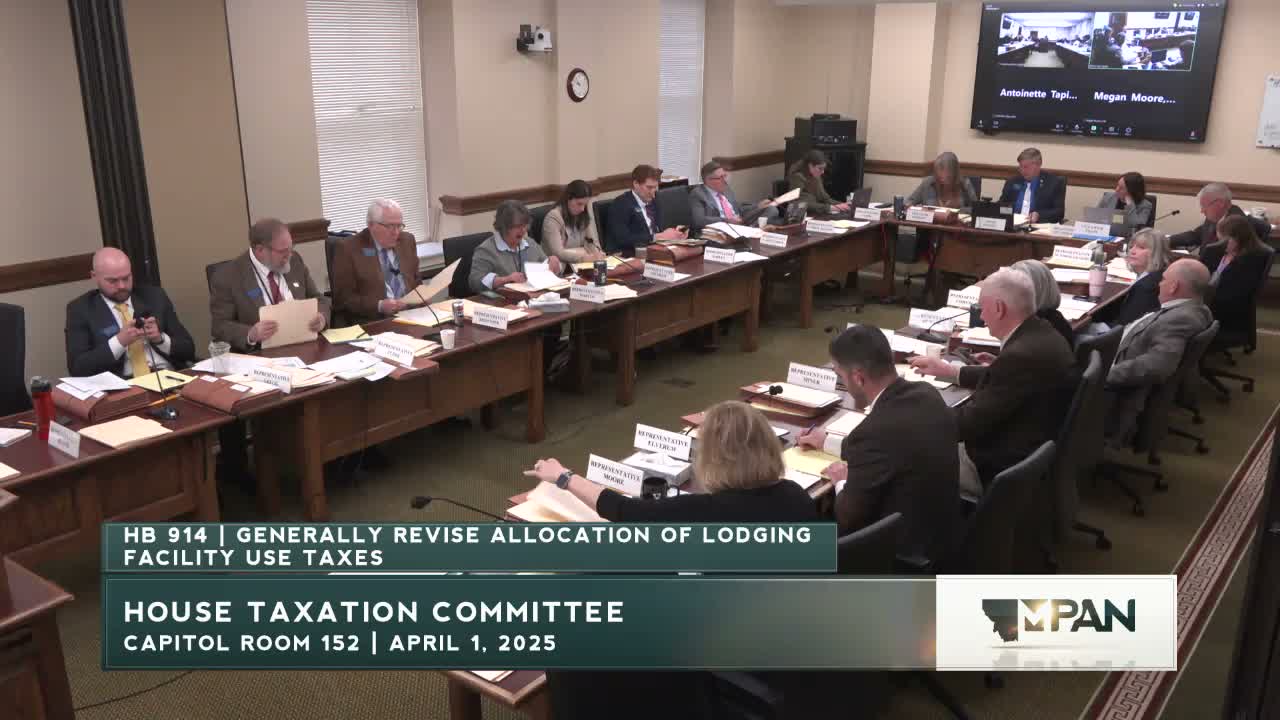
House committee rejects effort to redirect lodging tax dollars toward local roads and safety
Summary
Representative Scott Rosensweig's proposal to redirect a growing share of the state's lodging-facility tax to counties and cities for infrastructure and public-safety needs drew heavy testimony from both local governments and the Department of Commerce; the committee defeated the bill in executive action, 3–18.
Representative Scott Rosensweig told the House Taxation Committee his bill would restore lodging-facility-use tax funding to an infrastructure purpose he said was intended when the tax first grew: "This fund would allow counties and cities and towns to access matching construction money," he said, arguing that counties bear rising road, rescue and maintenance costs from tourism.
Rosensweig proposed returning a portion of recent growth in lodging‑tax revenue to counties and cities with distribution rules and floor/ceiling limits per county and city. He proposed safeguards — for example a minimum allocation for small counties — and said the money could help match federal and state grants for roads and emergency services.
Department of Commerce acting director Mandy Rambo and multiple tourism and hospitality associations warned that the bill would cut the department’s budget substantially and would eliminate or sharply reduce statewide tourism-marketing programs, pilot grants to under-visited communities, trade offices and cultural grants. Rambo said the agency’s expanded programs and rural pilot grants, created after legislative direction last year, depended on predictable lodging-tax funding and that sudden large reductions would force program elimination and likely damage future revenues generated by tourism.
County and local government witnesses supported the idea of additional local infrastructure funding tied to visitor-generated burden. Numerous chambers, DMOs and small communities testified that local destination-marketing support and pilot grants fund events, wayfinding, and visitor services that drive local business. Opponents said cutting statewide marketing could depress visitor numbers and long-term tax receipts, which would undercut the intended local benefits.
After lengthy testimony and amendments proposed by the sponsor, the committee voted the bill down in executive action. The failure reflected a split between counties and cities seeking new infrastructure revenue and statewide tourism and hospitality interests warning of program cuts and lower long‑term collections. The committee recorded a final vote of 3–18 against advancing HB 914.