Get Full Government Meeting Transcripts, Videos, & Alerts Forever!
Get email alerts on the Property Tax Equalization topic
No spam. Unsubscribe anytime.
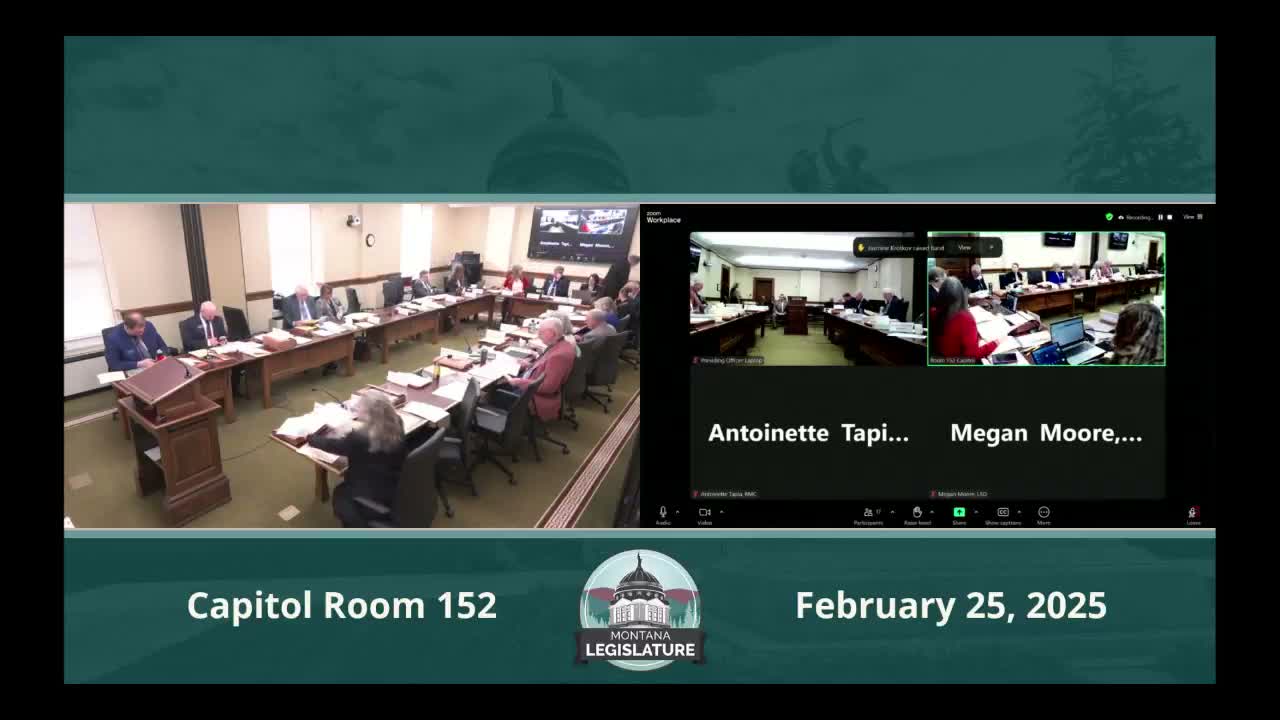
House panel debates HB528 to reset property tax rates; sponsors say it restores fairness, critics warn of state revenue loss
Summary
HB528 would lower state property-tax rates and adjust class multipliers to rebalance taxable values after recent reappraisals. Proponents said it returns rates toward 2021 levels and relieves homeowners and farms; opponents warned it would reduce state revenue and shift burden to local governments and require general‑fund backfill.
Representative Edward Byrne introduced House Bill 528 to the House Taxation Committee, proposing a set of changes to state property‑tax rates and class multipliers that sponsors said would re‑equalize taxable values and relieve homeowners, small businesses and farms.
Byrne described rate reductions across property classes (including a reduction of certain multipliers and residential rate adjustments) and added language clarifying class 3 (agricultural) treatment. Supporters argued the bill prevents a permanent, large tax increase baked in from recent reappraisals and restores a more equitable distribution of tax burden. Anne Brodsky and Senator Mary Ann Dunwell provided county‑by‑county impacts, charts, and examples showing per‑household savings in many areas.
Farmers, rural residents and small‑business advocates told the committee the bill would help households and Main Street businesses that face outsized property‑tax increases tied to rising home values; supporters said the bill can operate as a simple, revenue‑neutral mechanism without adding FTEs.
Opponents, including the Montana Taxpayers Association, praised the bill’s simplicity but warned it would materially reduce state general‑fund revenue tied to the 95‑mill levy and could trigger local shifts and demands for backfill. Bob Storey advised the committee to consider more balanced options and noted a fiscal note would be necessary to quantify state and local impacts.
Department of Revenue staff (property assessment) participated as informational witnesses and the committee asked for the finalized fiscal analysis. Representative Byrne said the bill is intended either as a standalone relief measure or as one piece of broader tax legislation and urged members to consider it as a comprehensive approach to residential tax increases.
The committee closed the hearing on HB528 and will consider fiscal analyses and next steps in follow‑up sessions.