Get Full Government Meeting Transcripts, Videos, & Alerts Forever!
Get email alerts on the Committee Actions topic
No spam. Unsubscribe anytime.
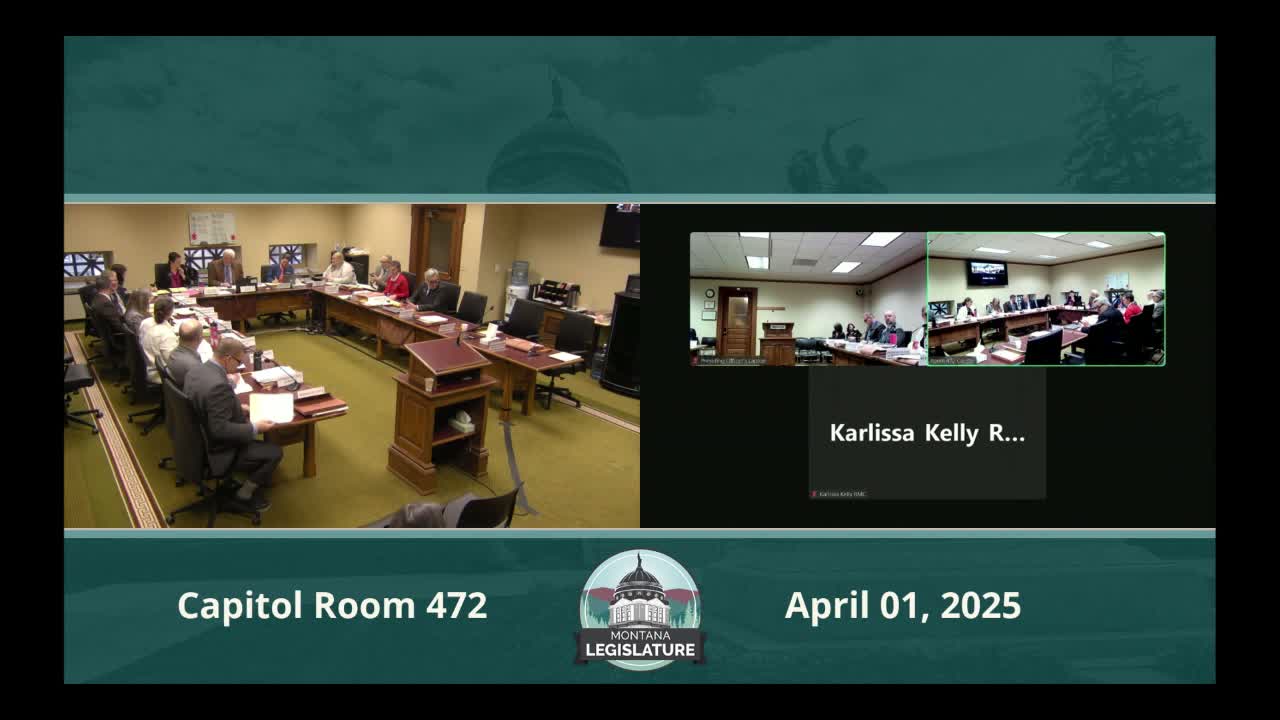
At-a-glance: committee actions and roll-call results from House Local Government
Summary
The committee took executive action on several bills: HB871 (passed 9–8), HB888 (passed as amended), HB889 (passed 9–8), HB901 (passed 16–1), HB887 (amendment adopted but bill later tabled), plus other procedural actions. This roundup lists vote tallies and brief notes.
The House Local Government Committee completed executive action on multiple bills. Key recorded outcomes in committee follow (committee roll-call tallies as reported in the transcript):
• HB 871 (municipal hookup zoning): Motion to pass recorded 9 ayes, 8 noes — bill passed out of committee.
• HB 887 (lodging-tax/property tax relief): Sponsor amendment reported adopted (voice; later recorded 16–1 for the amendment). A motion to pass the amended bill failed later in executive action (committee tally recorded as 3 ayes, 14 noes) and the chair announced the bill tabled.
• HB 888 (limits on required medical treatment as condition of quarantine release): Sponsor amendment adopted (recorded 11–6); committee later passed HB888 as amended (final tallies reported in transcript showing the bill passed on roll call).
• HB 889 (limits on 'sensitive lands' in county growth policies): Committee roll‑call recorded 9 ayes, 8 noes — bill passed out of committee.
• HB 901 (fire department health and safety grants): Committee roll-call recorded 16 ayes, 1 no — bill passed out of committee.
• HB 511 (training facility grants) and HB 369 (county road maintenance district) were returned to the committee calendar and passed after motions to take from the table and reconsideration; recorded tallies for these bills are in the transcript.
Why this matters: Several bills with close roll‑call margins reflect contentious trade-offs between local control, property rights, tourism funding and public-safety priorities. The amendment-and-table dynamic on HB887 illustrates how committees may adopt sponsor changes yet still decline to advance a bill when broader sentiment differs. For the bills that passed, the next steps are scheduling for floor consideration and any additional fiscal, legal, or drafting review required before final action.