Get Full Government Meeting Transcripts, Videos, & Alerts Forever!
Get email alerts on the Petroleum Tank Fund topic
No spam. Unsubscribe anytime.
Committee advances bill to allow petroleum‑tank fund reimbursements for preventive measures
Summary
The Natural Resources Committee advanced Senate Bill 315 after proponents said the measure would let the Petroleum Tank Release Compensation Fund reimburse preventive work (up to $2,000 per facility every three years) without adding new money to the fund; DEQ and industry witnesses urged passage to avoid costly cleanups.
Senator John S., sponsor of Senate Bill 315, told the Natural Resources Committee the bill expands allowable preventive uses of the Petroleum Tank Release Compensation Fund without increasing its appropriation and changes one statutory meeting requirement from mandatory to discretionary.
Why it matters: Proponents and DEQ said prevention is cheaper and more effective than cleanup, and the bill would allow modest reimbursements to incentivize inspections and small corrective actions.
Brad Longcake, representing the Montana Petroleum Marketers and Convenience Store Association, said the association’s members operate the tanks at issue and supported the bill’s changes. He told the committee the board “shall reimburse an owner up to $2,000,” adding that inspections occur every three years and that an ounce of prevention is worth a pound compared with catastrophic releases. Amy Steinmetz, DEQ’s Waste Management and Remediation Division Administrator, testified that while cleanup remains the fund’s priority, “preventing new releases is much cheaper and much more environmentally effective at protecting the environment than cleaning up petroleum releases after they occur.”
Terry Wadsworth, executive director of the Petroleum Tank Release Compensation Board, appeared as an informational witness and confirmed the board manages the Petroleum Tank Release Compensation Fund and will be involved in administration of any new preventive reimbursements.
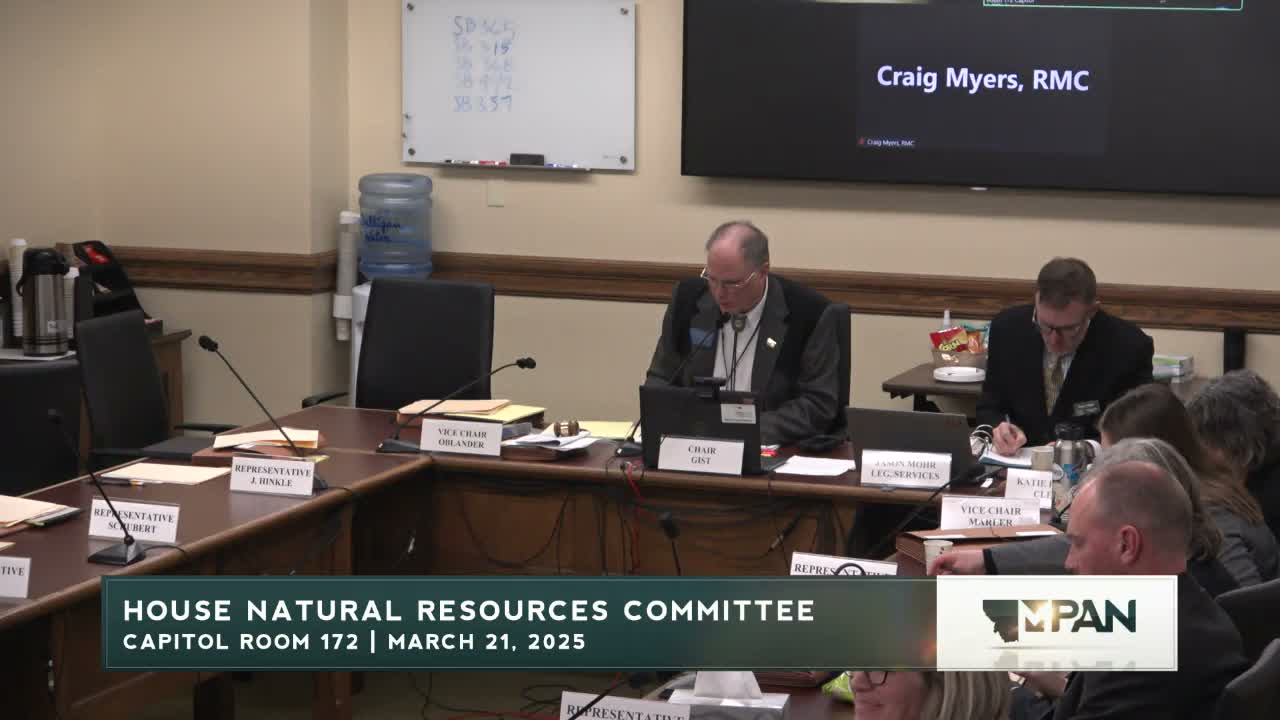
Committee action: During executive action the committee adopted a motion to concur and, by voice vote with proxy ayes recorded, sent SB315 to the floor; Representative Edwards was recorded as the carrier for the floor. No opponents registered in the room or online during the hearing.
Next steps: The bill was advanced to the full House for floor consideration; committee staff and the board will be available to answer technical questions about program administration if the bill receives further amendment or requests for fiscal detail.