Get Full Government Meeting Transcripts, Videos, & Alerts Forever!
Get email alerts on the Land Use topic
No spam. Unsubscribe anytime.
Committee hears bill to shift RV and mobile home park review to 'buildings for lease or rent' rules
Summary
Sen. Forrest Mandeville told the Local Government Committee that SB 174 would remove RV and manufactured/mobile home parks from the subdivision statute and regulate them under buildings-for-lease-or-rent rules to shorten and clarify review while preserving DEQ oversight and local zoning.
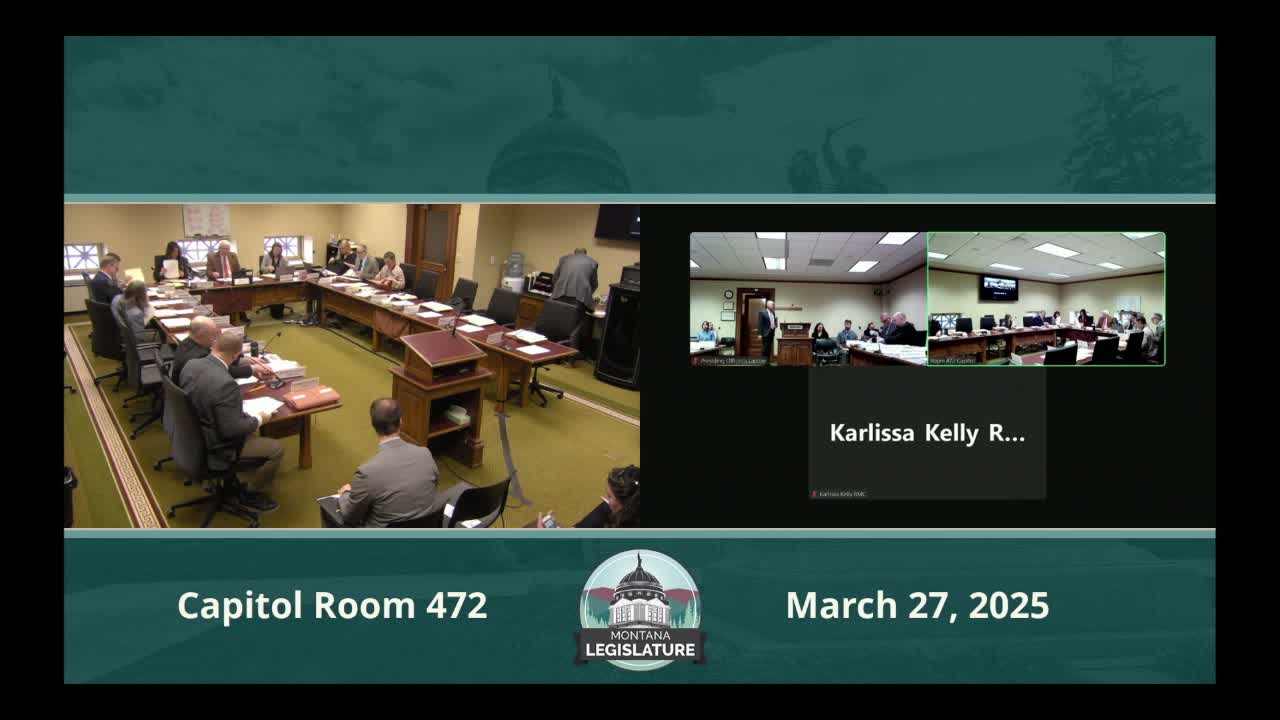
Sen. Forrest Mandeville (Senate District 28) told the Local Government Committee that Senate Bill 174 would move recreational vehicle parks and manufactured/mobile home parks out of the state subdivision and planning act and into the buildings-for-lease-or-rent review process, saying the change is intended to shorten review times and make requirements easier to understand for developers while keeping DEQ and local oversight.
"Senate Bill 174 will take RV parks and mobile home parks out of the subdivision and planning act and instead regulate them through the building for lease or rent regulations," Mandeville said in his opening remarks.
Jordan Green, vice president of the Montana Association of Planners, testified in favor of the bill, telling the committee the change would "reduce red tape and streamline the process" while keeping "adequate public participation" and environmental safeguards. Green said the BLR pathway includes a 30-day public hearing process for counties and cities and can default to local zoning where zoning already meets statutory criteria.
Matt Alsasser, deputy director of Upper Missouri Waterkeeper, opposed the bill, arguing the move could enable development in sensitive rural areas with less public notice and complained that shorter review windows could favor outfill rather than the infill the sponsor described. "We oppose this bill," Alsasser said, adding concern for rivers and streams in rural communities.
Committee members pressed witnesses and the sponsor on timing and scope. Green said subdivision reviews for major projects can involve statutorily set, multi-step processes (he cited working timelines such as 60 working days for some major subdivisions), and that the BLR route generally includes a 30-day hearing timeline for governing bodies. Mandeville confirmed the bill would apply to small private setups and larger, commercial RV parks alike.
No formal vote was taken in the hearing; the committee closed public comment after the sponsor's closing remarks. The bill's sponsor emphasized that DEQ protections and local zoning authority remain in place under the proposed change and framed the measure as a way to create predictable, less costly pathways for certain types of housing and temporary worker accommodations.
Next steps: the committee closed the hearing on SB 174 and moved to its next agenda item.