Get Full Government Meeting Transcripts, Videos, & Alerts Forever!
Get email alerts on the Gender Identity Policy topic
No spam. Unsubscribe anytime.
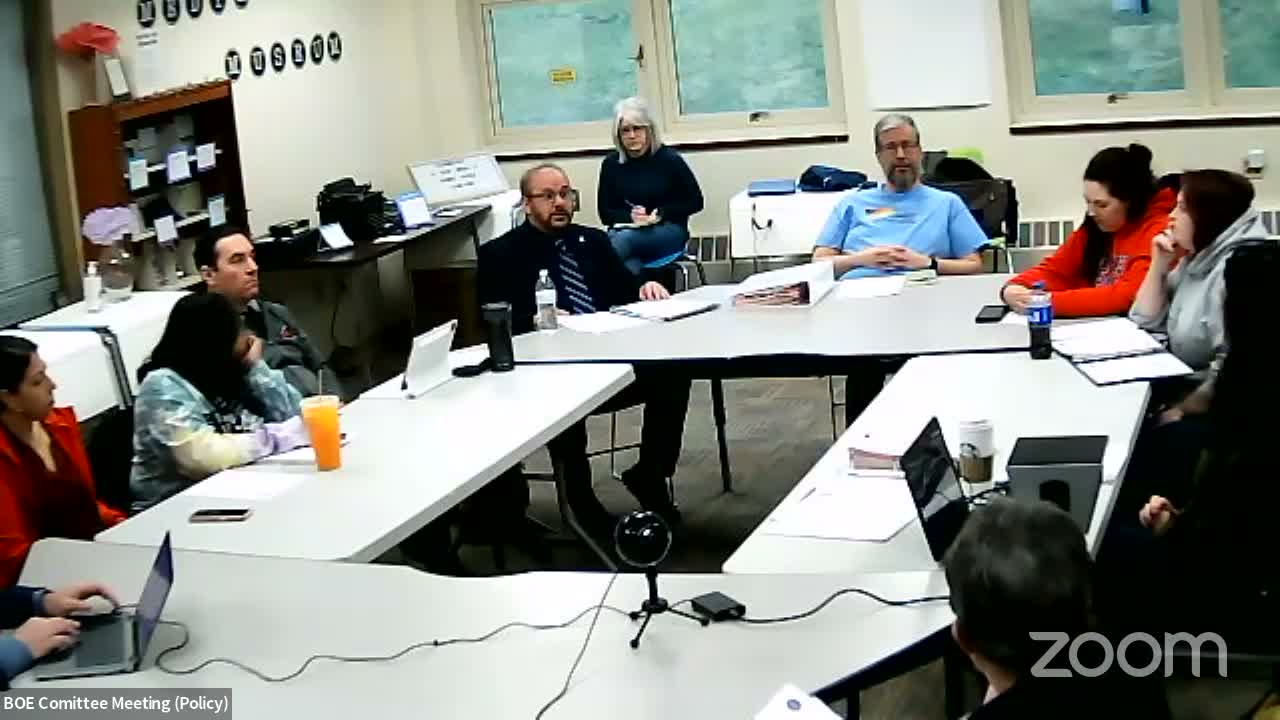
Carmel policy committee hears public pleas to limit parent disclosure in gender-identity guidance; moves to executive session for legal advice
Summary
Public commenters urged the Carmel Central School District policy committee to remove language encouraging disclosure of students' gender identity to parents, citing mental-health risks and inconsistent enforcement of harassment-reporting processes; the committee agreed to review policy 1400 and entered executive session to consult counsel.
Melissa Orser, chair of the Carmel Central School District policy committee, said the committee would review proposed changes to district policies after public commenters urged revisions to privacy language and clearer complaint procedures. "We have been given some updated information," Orser said, adding that trustees want to revisit the policy language and related tools before final action.
Anthony Arien, a public commenter who identified himself as a trans man and a longtime trainer on LGBTQ+ cultural‑competency, told the committee he feared a proposed privacy provision in the district's gender‑identity guidance would effectively encourage staff to tell parents when a student disclosed their gender status. Arien said the wording (which he cited in the committee discussion) would require or encourage "school administrators and counselors [to] encourage students who disclose their gender status in school to communicate with their parents," a step he said can retraumatize young people and lead to isolation and self‑harm. Arien cited statistics during his remarks—describing elevated self‑harm risk and higher suicide‑attempt likelihood when parents are not accepting—and referenced the Trevor Project and pediatric medical groups in support of his concerns.
Another member of the public told trustees that parents and students do not consistently trust the district's DASA, Title IX and harassment complaint processes and that some teachers have discouraged filing complaints. "They don't believe that they're gonna be taken care of," the commenter said, urging trustees to create a simple, accessible flowchart that explains which policy and reporting route applies to different incidents.
Trustees acknowledged those concerns and identified a number of follow‑up steps. Orser said policy 1400 has not been reviewed since 2020 and suggested adding a concise tool or attachment (for example, to the DASA policy) so families and staff can quickly find the correct complaint path. Committee members also said they would review the proposed privacy/confidentiality wording against New York State Education Department guidance.
At the end of the public portion of the meeting, Orser moved that the committee go into executive session "to get legal advice from our counsel," and the motion was seconded. The committee prepared to end the public Zoom and reconvene privately to receive counsel. No formal vote on the substantive policy language was recorded in the public session.
What happens next: the policy committee will review the updated draft language and the suggested complaint‑flow tool, and trustees said they expect to return the revised proposal to a future meeting after legal review.