Get Full Government Meeting Transcripts, Videos, & Alerts Forever!
Get email alerts on the Volunteer Protections topic
No spam. Unsubscribe anytime.
Bill would protect volunteer EMTs and firefighters from dismissal when responding to emergencies
Summary
House Bill 128 would bar employers from firing workers for responding to emergency calls if employees disclosed volunteer status and the employer consented; proponents said it balances public safety with employers' operational limits.
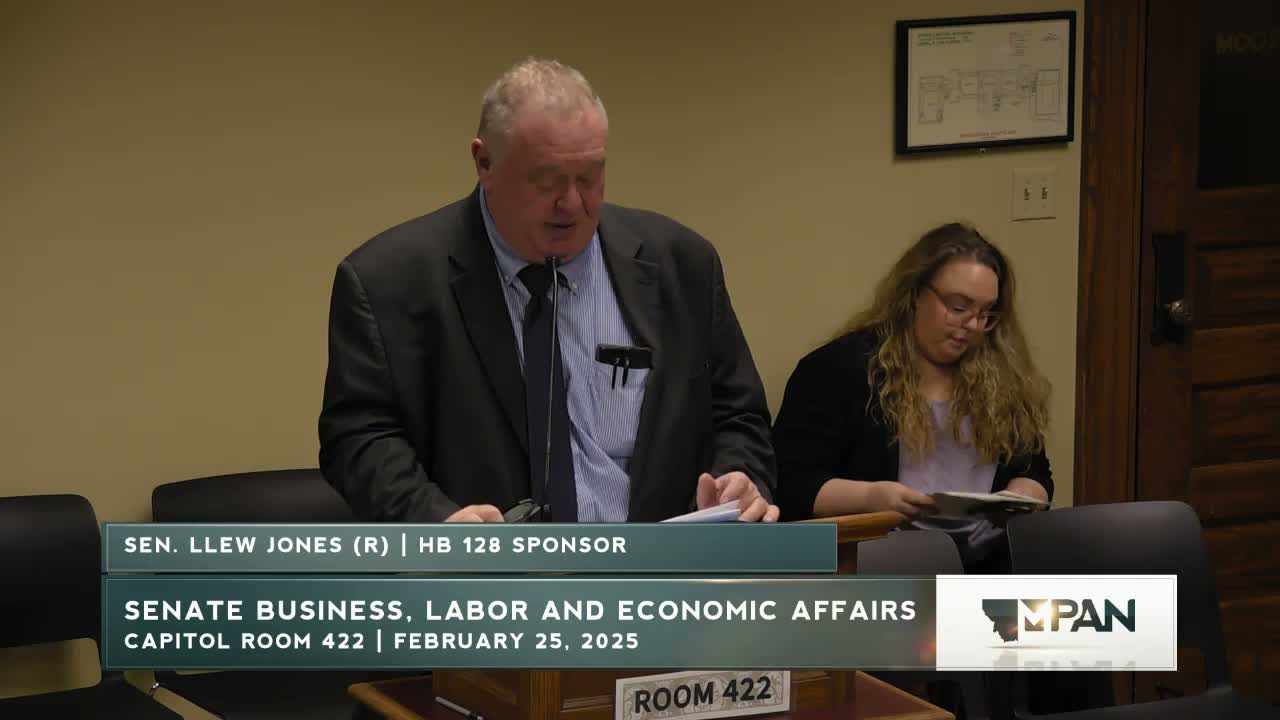
Representative Lou Jones presented House Bill 128 to protect volunteer emergency responders from termination for missing work while actively responding to calls when the employer was previously notified and consented.
"We have trouble getting enough volunteers to fight our fires and most of our fire forces volunteer," Jones said, describing testimony from volunteer organizations that some members feared being fired after responding to an early-morning call. Volunteer firefighter Joel Worth told the committee he has declined to respond in the past because of fear of losing his job.
The bill would require employees who are volunteers to provide written notice to their employer within 30 days of employment and to notify the employer when they respond to active events; remedies for wrongful discharge would be covered under existing wrongful discharge statutes cited in the bill. Carol Ann Davis from the Department of Administration said the bill "strikes a balance" by supporting volunteers while allowing employers to set limits for operational needs.
Committee members asked whether the notification must be written (the bill requires written notification), how probationary employees are treated, and whether employers could negotiate limits—questions proponents said the bill anticipated. Testimony included scenarios where small employers could decline to permit volunteer status and where employers and volunteers could negotiate agreed limits on time away.
The hearing closed with a supportive tone and no opponents on record; committee members signaled interest in ensuring employer safeguards and departmental clarity on remedies for wrongful discharge claims.