Get Full Government Meeting Transcripts, Videos, & Alerts Forever!
Get email alerts on the Commercial Driver License topic
No spam. Unsubscribe anytime.
Montana resolution urges federal review of CDL rules for school buses and heavy recreational vehicles
Summary
Sen. Barry Usher asked the House Transportation Committee to send a letter to Montana's federal delegation urging review of commercial driver license requirements that sponsors say deter school-bus drivers and create confusing, weight- and intent-based distinctions for pickups, RVs and trailers.
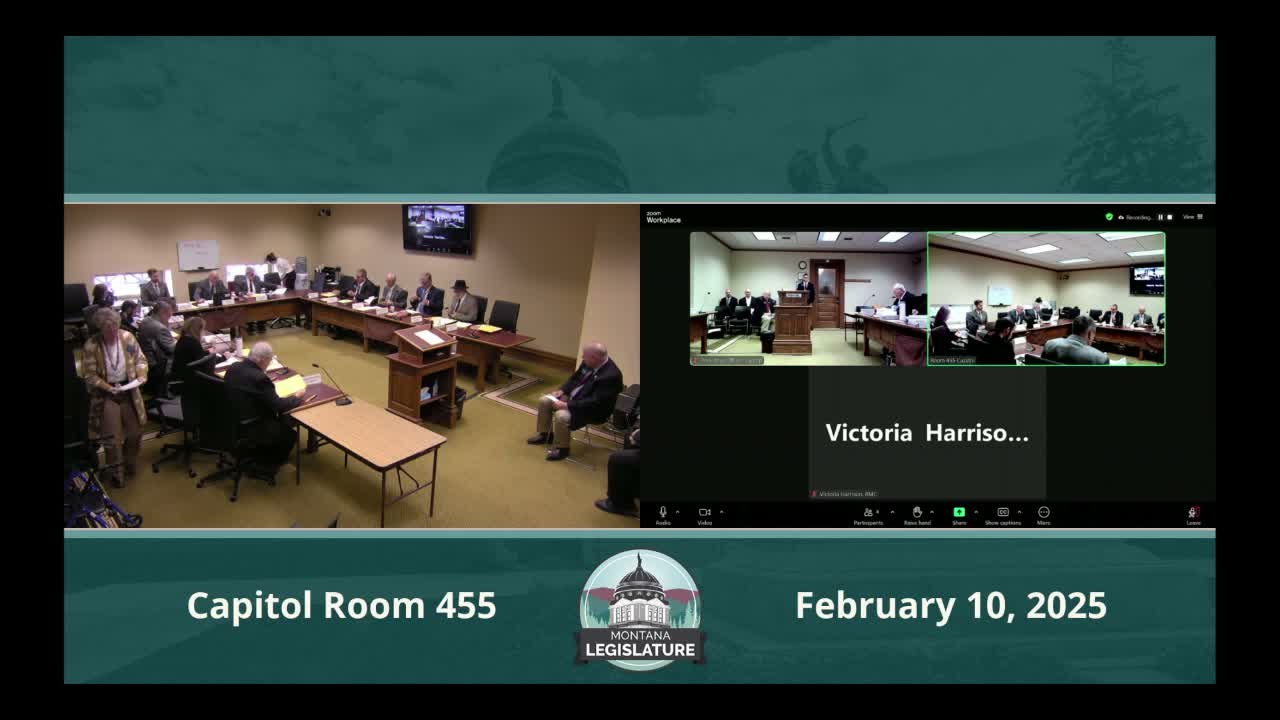
Senator Barry Usher introduced Senate Joint Resolution 3, asking the Legislature to send a letter to Montana’s congressional delegation urging federal review of Commercial Driver License (CDL) requirements for some noncommercial vehicles and school buses.
"We really need to look at these CDL license requirements for these lower level vehicles," Senator Barry Usher said, adding that rules based on vehicle weight and "intent" can be confusing. Usher told the committee he has heard school-bus training and certification costs of "4 to $6,000" and said that expense reduces the pool of available drivers.
Senator Denley Logge, who said the interim committee discussed the issue, supported sending the letter to Washington, D.C., noting that vehicles entering Montana from other states complicate any state-level fix. "There's nothing that can be done, that we can do as a state to actually require CDLs of those drivers because they're coming from another state," Logge said.
Committee members asked about alternatives for school-bus qualifications. Representative Sponger asked whether the interim panel had recommended specific alternate qualifications for drivers who transport children. Usher said the committee’s recommendation is to make it easier for drivers to become qualified, for example by offering local training at schools so prospective drivers can be certified with lower cost and greater accessibility.
Other questions focused on the fine technical distinctions that trigger CDLs — for example, whether the same truck and trailer becomes a CDL vehicle based on whether the trip is commercial or private and whether pulling a tractor for a friend versus being paid would change a driver’s obligations. Usher and proponents used agricultural exemptions and examples such as horse trailers, motor homes and snowmobiles to illustrate how similar vehicles can be treated differently under current federal and state rules.
No opponents registered in the room or online. The committee closed the hearing without taking action; Representative Clacken volunteered to carry the measure forward if it receives executive action.
The committee did not record motions or votes on SJR 3; members scheduled executive action and further committee work to consider potential legislative language and next steps.