Get Full Government Meeting Transcripts, Videos, & Alerts Forever!
Get email alerts on the Voting Access topic
No spam. Unsubscribe anytime.
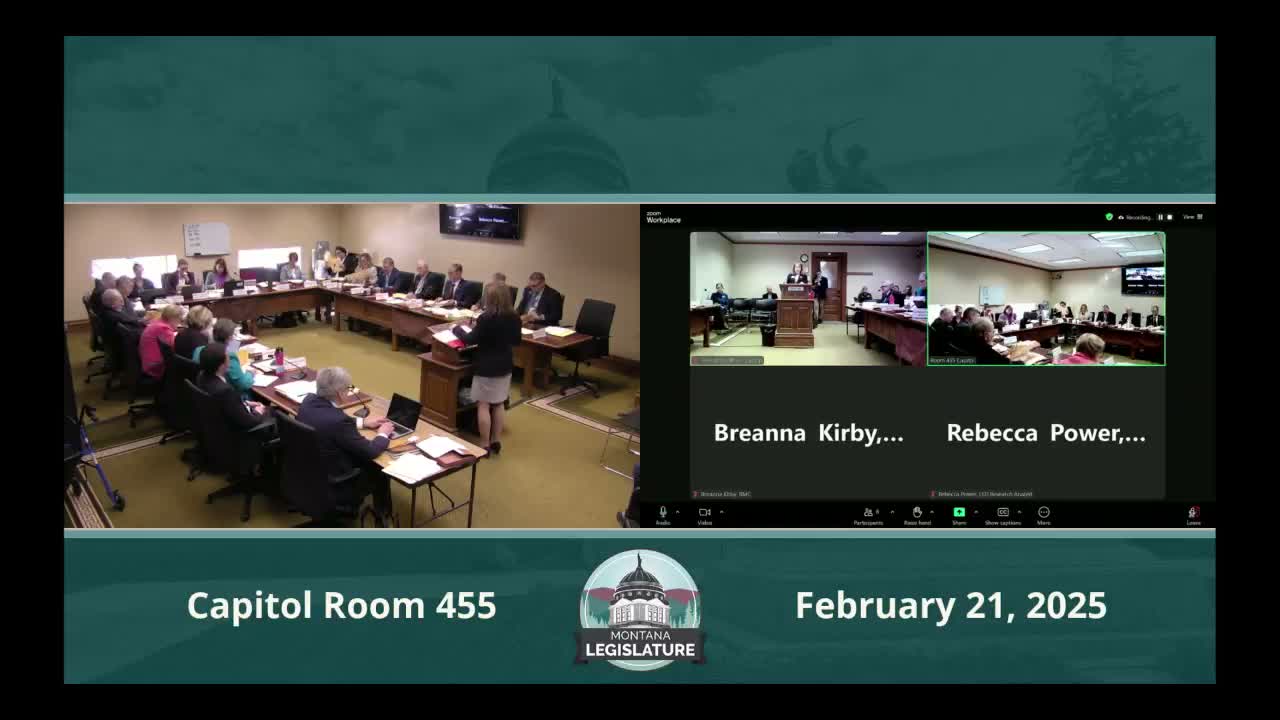
Committee hears bill to allow electronic ballot return for voters with disabilities
Summary
House Bill 488 would let voters with disabilities request and return electronic ballots to preserve ballot secrecy and independence; disability-rights groups, county clerks, and elections staff endorsed the measure while committee members pressed on eligibility, security and fiscal issues. Sponsor requested do-pass.
Representative Julie Darling introduced House Bill 488 to allow voters with disabilities to request an electronic ballot and return it via an encrypted electronic ballot return system (EBRS), extending protections like those used for overseas and military voters.
Proponents — including the National Federation of the Blind, Disability Rights Montana, Ability Montana, and county clerks — described the proposal as closing an accessibility gap: many voters can use assistive technology to mark ballots electronically but cannot independently sign and return paper absentee ballots, which compromises ballot secrecy. Jacob Krysovich (National Federation of the Blind) said EBRS is about “maintaining my employment and being able to still be a responsible citizen and vote.”
County elections officials and clerks described administrative safeguards: the system is linked from the Secretary of State’s website, confirms registration and ballot type, transmits data over encrypted channels, and maintains official logs of ballots provided through the system. Plentenburgh and others said the system mirrors UOCAVA processes for overseas voters but currently stops short of allowing electronic return.
Committee members pressed witnesses on how disability eligibility is affirmed, what penalties apply for false claims, training and help for users unfamiliar with technology, and the fiscal note; witnesses said users must affirm disability status, local offices will help with access when needed, and the fiscal note is limited because core systems exist. Sponsors argued misuse risks are low and that monitored logs give election administrators oversight.
Representative Darling closed by likening EBRS to processes already available to overseas voters and asked the committee to give HB 488 a do-pass recommendation. No committee vote was recorded during the hearing.