Get Full Government Meeting Transcripts, Videos, & Alerts Forever!
Get email alerts on the Housing topic
No spam. Unsubscribe anytime.
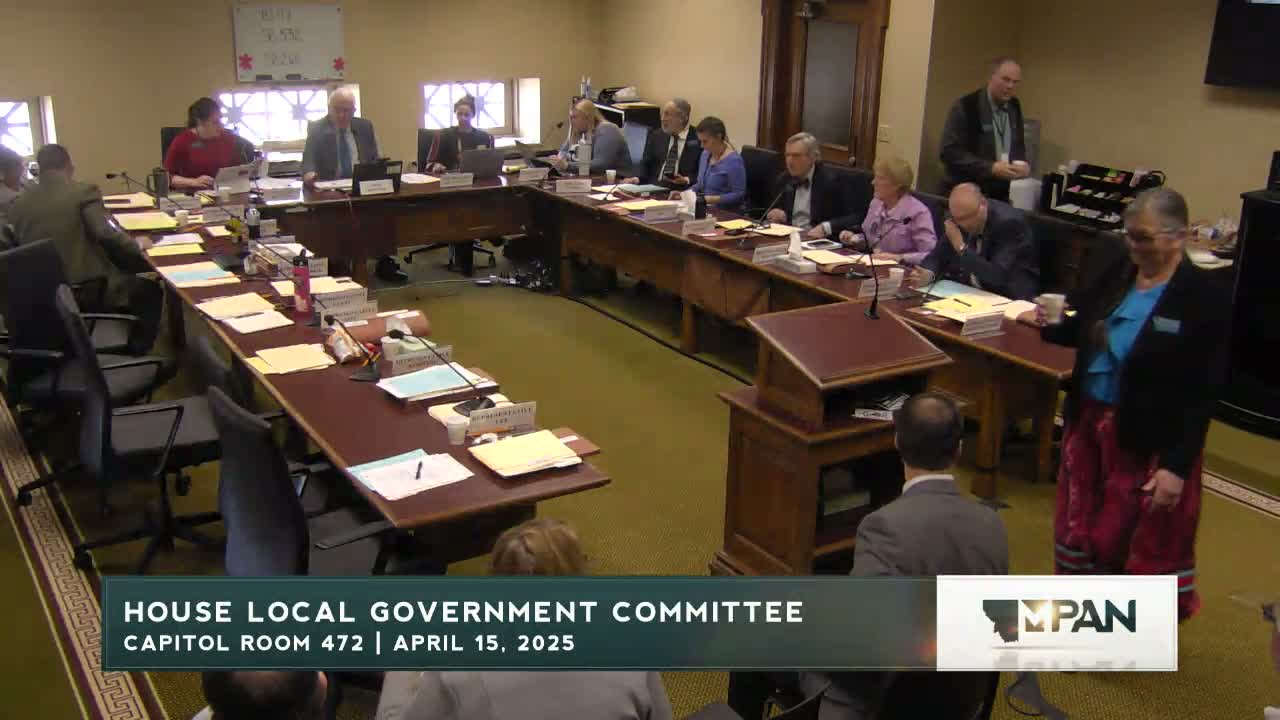
House panel advances county ADU bill after sanitation and local control fights
Summary
Senate Bill 532 would require counties to allow accessory dwelling units (ADUs); the committee adopted sanitation and planning amendments, rejected a short‑term rental preemption amendment, and passed the bill as twice amended.
Senate Bill 532 — carried in the House Local Government Committee after a hearing Tuesday — would extend by statute the concept of accessory dwelling units to counties, requiring county zoning frameworks in specified county zones to allow ADUs. Senator Forrest Mandeville (Senate District 28) said the bill adapts a city ADU model for counties and includes several committee amendments, including a four‑year sunset and provisions on sanitation and local permitting.
Multiple proponents told personal and policy stories in support. Dave Lewis described mobility challenges that make an ADU on his rural parcel essential for downsizing while keeping family land in the family; Jake Brown of Shelter Whitefish and Daniel Cox for Montana Association of Realtors emphasized ADUs as part of the ‘missing middle’ housing solution. Anna Vickers of the Montana Association of Planners urged adoption of an amendment that removes size, bulk and parking limits that planners say are unnecessary in county contexts.
Several technical and environmental witnesses urged clarifications. Charles Shane, an environmental health manager and registered sanitarian with Missoula Public Health speaking for the Montana Environmental Health Association, warned that the bill’s approach could substitute a deviation process for the current COSA rewrite for on‑site water and wastewater approvals and urged amendment 2.1 to require connection to public systems or ensure adequate review timelines. Rachel Clark, chief of the engineering bureau at DEQ’s Water Quality Division, said the department would support an amendment requiring connection to public water and wastewater systems.
Committee action focused on three amendments. Amendment 2.1 — language to facilitate expedited review when an ADU connects to public water or wastewater systems — was adopted by voice. Amendment 2.2 (planners’ technical adjustments removing some size/parking requirements for counties) was adopted. Amendment 2.3, which would have preempted county regulation of ADUs as short‑term rentals, failed on a roll call (7 ayes, 10 no), after members raised concerns that that change would remove local control over short‑term rental uses in communities that oppose them.
After adopting the two sanitation and planning amendments and rejecting the STR preemption amendment, the committee moved the bill as twice amended and voted to concur; the clerk reported the committee vote as 16 ayes and 1 no. The committee designated Representative Sprunger to carry the bill on the House floor.
The record shows two distinct technical risks the committee sought to address: protecting public health review timelines and preserving county authority on local land‑use questions such as short‑term rentals. DEQ’s staff endorsement of the sanitation amendment and the sanitarians’ concerns about COSA procedures were central to shaping the committee’s changes.
The bill now proceeds to the House floor as passed by the Local Government Committee, with the committee report reflecting the two adopted amendments and the rejected short‑term rental preemption.