Get Full Government Meeting Transcripts, Videos, & Alerts Forever!
Get email alerts on the Procurement topic
No spam. Unsubscribe anytime.
Montana bill would restore competitive RFPs for Lottery contracts, sponsors say
Summary
Sen. Matt Regier’s Senate Bill 232 would reverse a 2023 amendment that exempted the Montana Lottery from competitive procurement. Supporters — including a lottery commissioner and gaming industry representatives — told the House Judiciary Committee the change would restore transparency and competition.
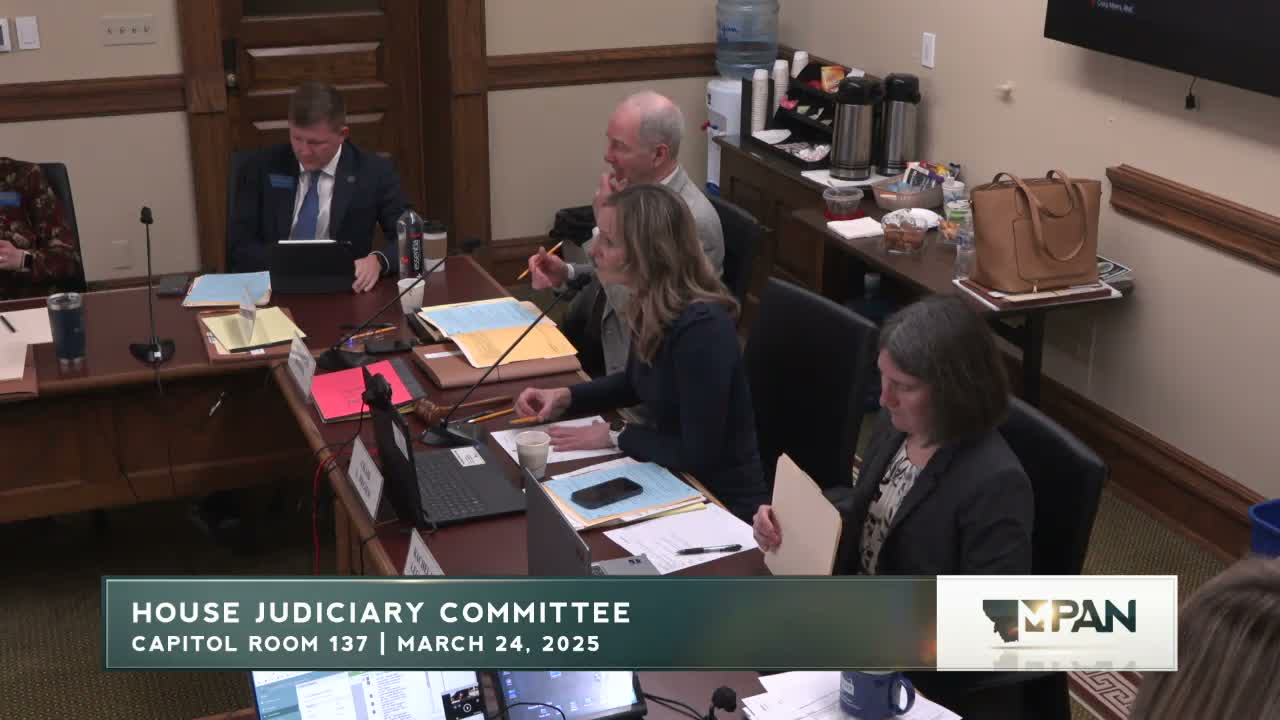
Sen. Matt Regier, sponsor of Senate Bill 232, told the House Judiciary Committee that last-session language carving the Lottery out of the Montana Procurement Act unintentionally expanded an exemption and delayed the Lottery’s planned competitive procurement. "Let's be accountable and transparent," Regier said as he urged the committee to rewind the 2023 amendment.
John Metropoulos, an appointed member of the Lottery Commission, said the amendment produced what he called a "stealth amendment" that delayed the commission's request-for-proposal (RFP) process and created doubt about the integrity of procurement decisions. "For six months, we have been delayed in getting out our RFP," Metropoulos said, adding that the commission recently voted unanimously to move forward with an RFP.
Industry groups including the Gaming Industry Association and the Montana Coin Machine Operators Association supported the bill, saying an RFP process ensures fair competition and the best value for Montanans. Shawna Helfert of the Gaming Industry Association said competitive processes "ensure a fair and transparent process as well as secure the best possible products for Montanans."
Misty Ann Giles, director of the Department of Administration (DOA), testified as an informational witness that DOA oversees state procurement and recommended that even where exemptions exist, procurement procedures remain a useful benchmark for transparency and fairness. Giles noted one provision removed in the bill could unintentionally bring student activity fees under DOA oversight, creating administrative and fiscal complications. "This could have a fiscal impact on our team because that is kind of us reaching beyond the government function itself," Giles said.
Committee members pressed the sponsor and DOA on whether deleted language was inadvertent and how the revisions would affect the Montana University System and the Board of Investments. Regier and Giles said the intent is to restore transparency for contracts outside narrow securities transactions and not to transfer routine student association purchases into DOA administration.
The committee closed the hearing on Senate Bill 232 without immediate action. The bill’s supporters urged lawmakers to vote to restore competitive RFP requirements for Lottery contracts to improve competition and public confidence.
What’s next: The bill will proceed through the committee process; any formal amendments or executive action dates were not decided on the record in this hearing.