Get Full Government Meeting Transcripts, Videos, & Alerts Forever!
Get email alerts on the Workplace Safety Utilities topic
No spam. Unsubscribe anytime.
Bill would raise penalties for assaults on utility workers after multiple threats and shootings, proponents say
Summary
Representative Gary Perry told the committee HB 452 would increase penalties for assaults on utility workers and classify them as first responders for the offense; utilities, unions and workers testified with detailed accounts of shootings, brandished weapons and threats, while cooperatives and broadband providers requested amendments to ensure coverage for cooperative employees.
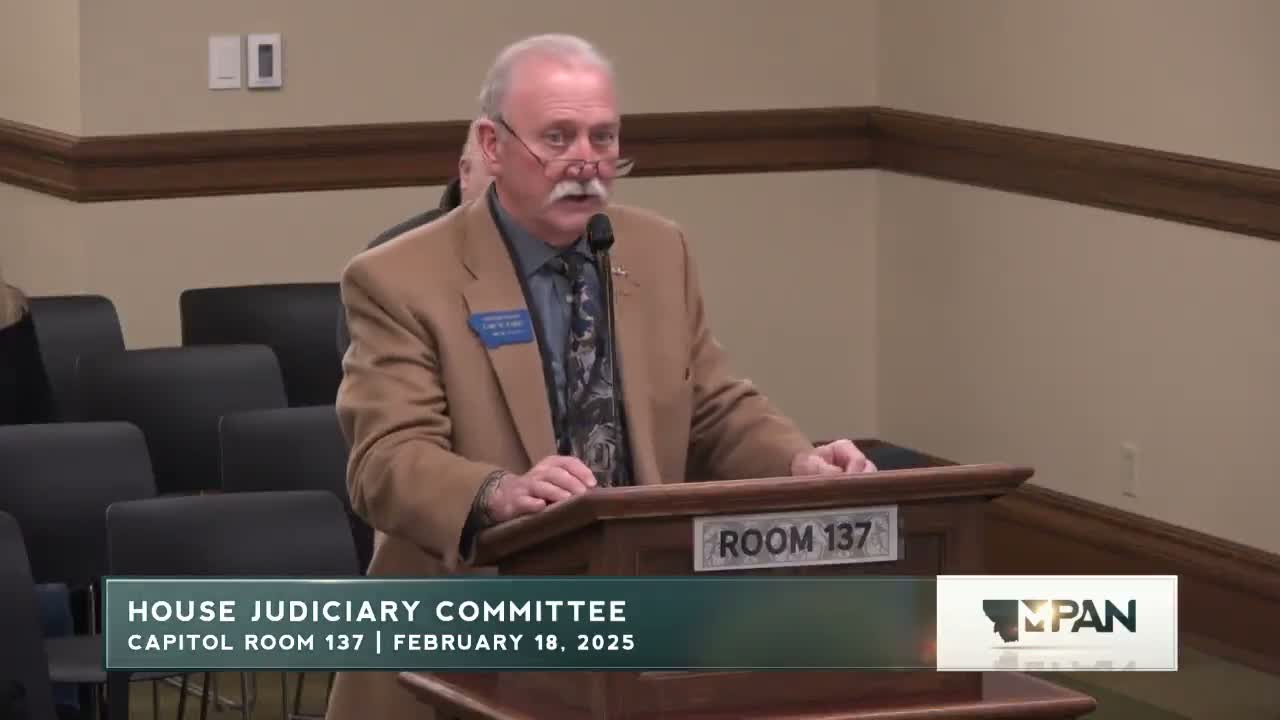
Representative Gary Perry opened House Bill 452 by describing recent incidents in which utility crews were threatened or shot at while restoring service after storms or performing vegetation management. "This bill basically... is increasing the penalties significantly, and they should," Perry said, arguing the nature of utility work exposes employees to elevated risks and ripple effects to public safety when lines or gas services are disrupted.
A broad coalition of proponents — utility companies, safety managers, unions and journeymen linemen — gave testimony describing multiple violent incidents, near‑misses and the safety and morale impacts on crews. Beau Schumann, a journeyman lineman, described being threatened with firearms while performing restoration work; others gave examples of customers brandishing weapons, obstructing crews or otherwise creating hazardous situations. Labor and union representatives said similar measures have passed in other states and argued the enhanced penalties would act as a deterrent and improve worker safety.
Representatives of Montana Electric Cooperatives Association and Broadband Montana voiced procedural opposition only to request amendments ensuring that cooperative and community broadband employees are included in the statute’s definitions; sponsor Perry indicated willingness to work on friendly amendments and to correct language that might unintentionally reduce maximum penalties for some offenses (a concern raised by the Public Defender Division’s fiscal testimony).
Public defenders and fiscal witnesses highlighted that, as drafted, some lines in the bill could reduce maximum penalties for certain assault categories; sponsor said he would quickly fix drafting errors so penalties are properly calibrated. Committee members asked about nexus to existing statutes and whether penalty changes would create a cascading effect of special‑interest carve‑outs; proponents said the bill focuses on preserving public safety and protecting workers who perform critical infrastructure work.
Sponsor Perry asked for a due pass and said he would propose amendments to address drafting and scope concerns; no committee vote was recorded in the transcript.