Get Full Government Meeting Transcripts, Videos, & Alerts Forever!
Get email alerts on the Tenant Protections topic
No spam. Unsubscribe anytime.
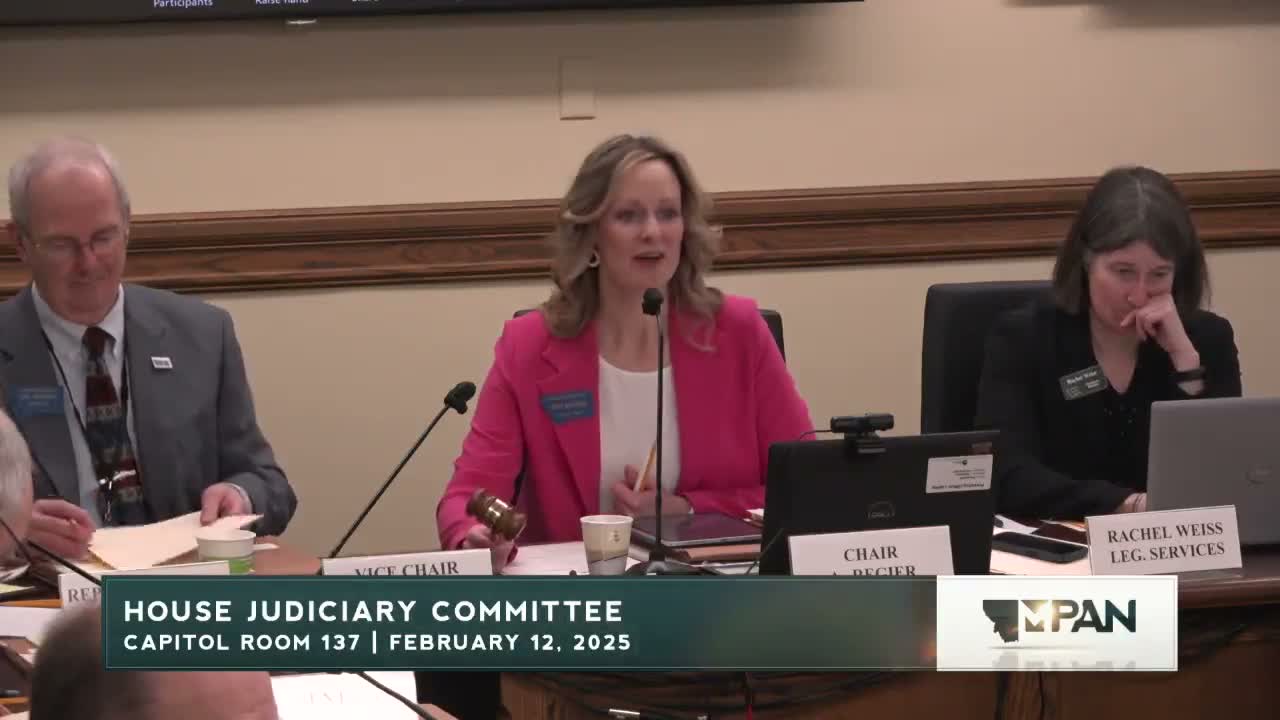
Debate in House Judiciary over HB305 dispute-resolution program for mobile home parks
Summary
Proponents urged HB305 to create a low-cost dispute-resolution program and notice-of-sale protections for mobile home park residents; opponents — including park owners and the Department of Commerce — warned of jurisdictional overreach, fiscal shortfalls, and fee-driven incentives. Committee discussion focused on program scope and rulemaking authority.
The committee heard extensive testimony on House Bill 305, which would create a dispute-resolution program administered through the Department of Commerce to enforce existing law in mobile home parks, funded initially by a $24 per-lot annual fee shared by tenant and owner.
In sponsor remarks the bill was framed as a tool to enforce the Mobile Home Lot Rental Act without forcing residents into court. The sponsor described trends of out-of-state investor purchases followed by rent increases, reduced maintenance, and limited ability for residents to relocate given the cost of moving a manufactured home.
Multiple residents and advocates described the consequences they say are arising after investor ownership. Cindy Newman told the committee this is the third legislative session addressing investor-owned parks and said HB305 provides a forum to mediate “David versus Goliath” disputes. Janice Bailey, a resident from Countryside Village, said maintenance declined after corporate acquisition and supplied a retail listing example showing high lot rents relative to local incomes. Vivian Rambo cited prior communications involving Haven Park Capital and submitted archived web material the committee could review.
Housing advocates and local governments supported the bill: Aubrey Godbey (Montana Budget and Policy Center) said the measure would increase transparency and oversight and recommended interim review by the Economic Affairs committee; Parker Webb (city of Missoula housing policy specialist) said mobile home parks are essential naturally occurring affordable housing and that HB305 aligns with Missoula’s housing strategy.
Opponents included mobile home park owners, landlord associations, and the Department of Commerce. Nathan Grovem, a Great Falls park owner, argued the bill would make Commerce act as judge and jury and said the program’s funding through fines creates a perverse incentive. Charles Denow (Haven Park Communities) raised concern about broad rulemaking authority and warned that adopting enforcement powers could effectively impose rent-control policy through administrative rule. John Sinrud (Montana Landlord Association) and other owners warned of duplicative licensing and legal conflicts with existing statutes; the Department of Commerce’s deputy director told the committee Commerce is not set up to be a regulatory agency for this type of enforcement and urged a do-not-pass.
Committee members pressed the sponsor on several details: whether administrative exhaustion is required before court action (sponsor: exhaustion is not required), how the board or adjudicators would be selected or trained (sponsor: fiscal note contemplates hiring FTE with legal expertise), and whether fees and the fiscal note are adequate (opponents pointed to assumptions that the $24 fee would rise to $68 in the second biennium). Representative Staffman suggested narrower approaches (unconscionability standards) focused on bad actors; Representative Clacken and others pushed on whether residents could already form associations and use existing remedies.
The sponsor said he is open to amendments and to working with opponents and agencies on issues like who houses the program and scope of rulemaking. The hearing closed without a committee vote.