Get Full Government Meeting Transcripts, Videos, & Alerts Forever!
Get email alerts on the Public Health topic
No spam. Unsubscribe anytime.
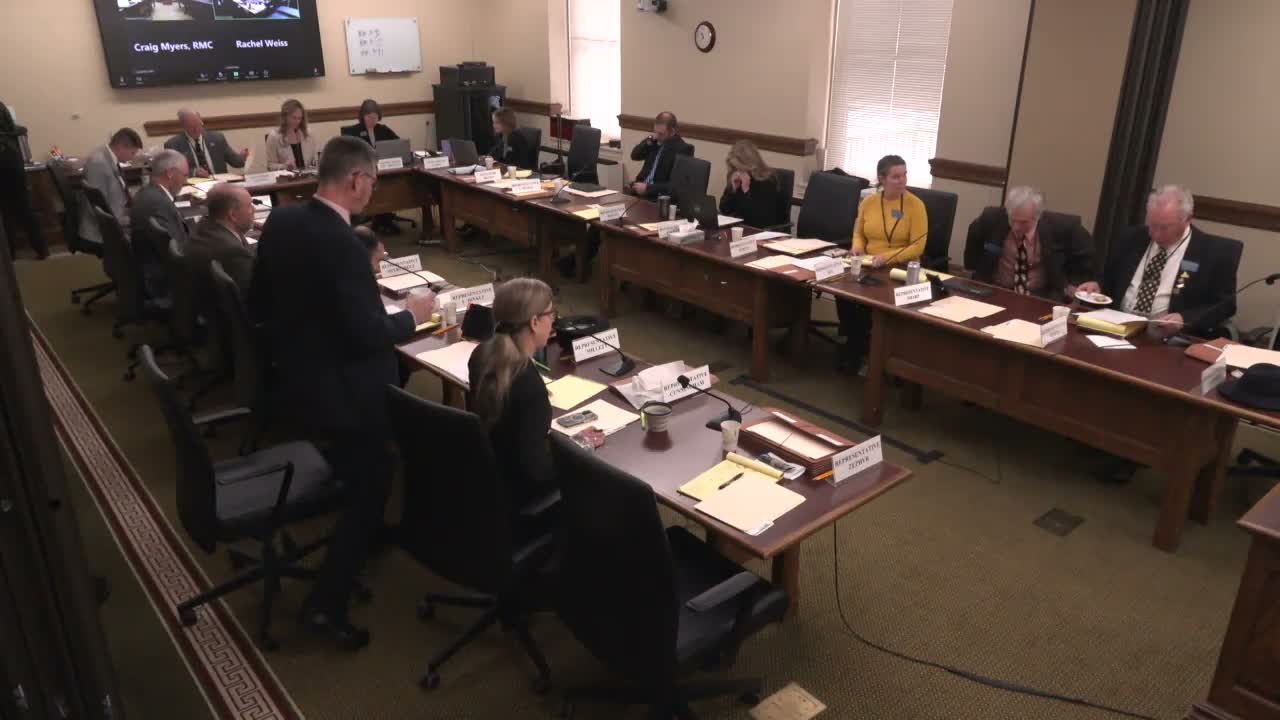
House Judiciary hears wide array of testimony on bill to ban gene‑based (mRNA) vaccines
Summary
HB371 would prohibit administration of gene‑based vaccines in Montana. Proponents offered personal accounts and alleged safety concerns; state public‑health officials, medical associations, tribal leaders and scientists opposed the ban, warning it would block access to approved therapies and restrict patient‑provider decision‑making.
Representative Greg Kmetz opened House Bill 371 as a proposal to ban administration of ‘‘gene‑based’’ vaccines — the sponsor and many proponents used the term to describe mRNA COVID‑19 shots and similar technologies. Kmetz framed the measure as a protection for Montana citizens who, in his view, lacked recourse because of federal liability shields for vaccine manufacturers.
A large group of proponents — including physicians, pharmacists, nurses and private citizens — described adverse events they attributed to COVID‑19 mRNA vaccines, cited VAERS reports and other studies, and urged the committee to pass a ban or moratorium. Witnesses pressed claims about contamination, DNA fragments in vaccine vials, ‘‘shedding’’ to close contacts and long‑term harms; several offered written materials and petitions for the record.
Opponents included the state medical officer, Dr. Douglas Harrington, tribal representatives, the Montana Medical Association, the Montana Hospital Association, pediatricians, nurses and scientists. Dr. Harrington told the committee the statement that ‘‘mRNA vaccines can integrate into the human genome and be passed on to the next generation is false’’ and that ‘‘mRNA vaccines do not shed’’ in the manner of live attenuated vaccines. He and other medical witnesses warned the bill’s broad language could preclude access to gene‑based therapies and cancer immunotherapies and would intrude on clinician‑patient decision‑making.
Scientists and public‑health experts explained vaccine‑safety monitoring systems and cautioned against using passive VAERS counts as evidence of causation. Epidemiologists described active surveillance systems that inform safety conclusions for vaccines and said serious adverse events after COVID‑19 vaccination are rare in large post‑marketing studies. Tribal health leaders and community groups emphasized the disproportional risk the pandemic posed to Native American communities and argued HB371 would unduly restrict their access to preventive tools.
Committee members pressed proponents and opponents on evidence: witnesses debated whether VAERS reports can be extrapolated to total deaths, whether FDA authorization status had changed, and if contamination allegations were supported by peer‑reviewed confirmation. Legal counsel for licensing boards explained that, if enacted, complaints could trigger licensing investigations and contested‑case proceedings for clinicians who administered covered products.
The hearing did not produce a committee vote. Members requested evidence and legal analysis about statutory scope, potential impacts on existing vaccines and therapies, and the practical effect of licensing penalties before any final committee action.