Get Full Government Meeting Transcripts, Videos, & Alerts Forever!
Get email alerts on the Affordable Housing topic
No spam. Unsubscribe anytime.
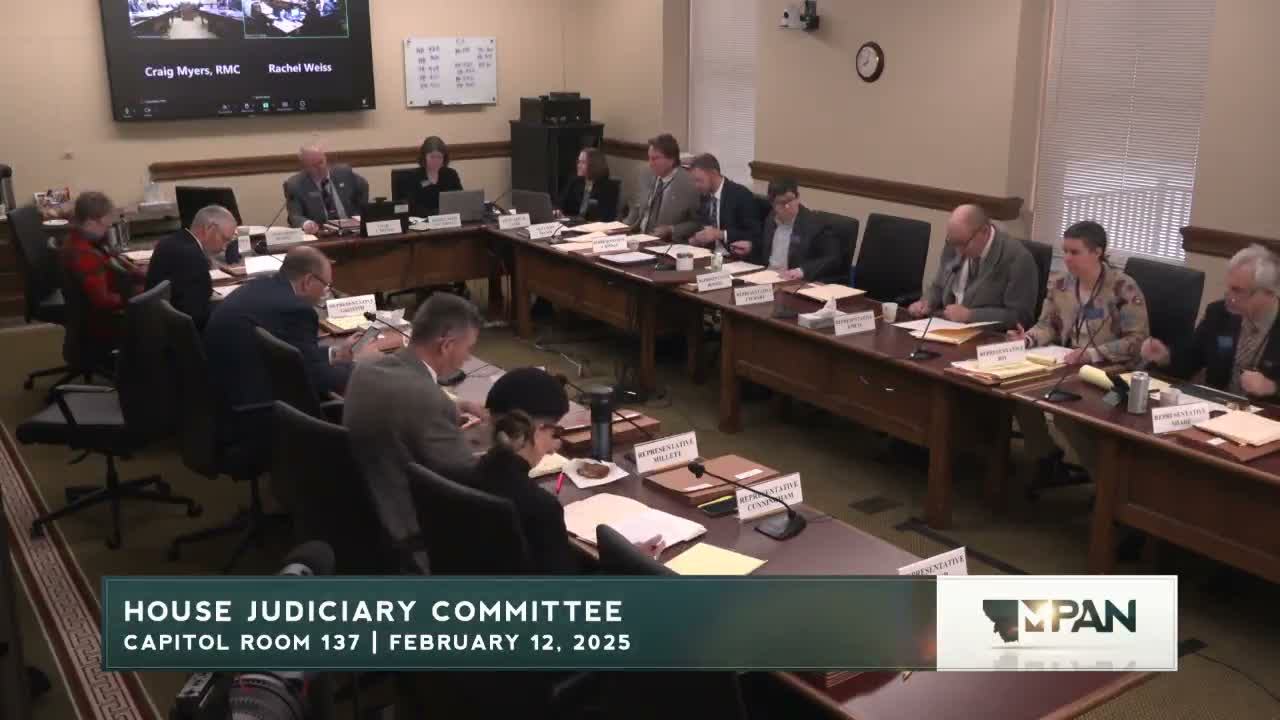
House Judiciary hears bill to allow long-term affordability covenants to 'run with the land'
Summary
Supporters told the House Judiciary Committee HB422 would let private parties record affordability covenants that run with the land to protect workforce housing; opponents warned it could operate like inclusionary zoning and raise resale complications. No vote was taken.
Representative (the bill sponsor) introduced House Bill 422 as a targeted change to property law that would make explicit that private parties can place covenants on title to ensure long-term affordability for housing projects.
Ross Keogh, an attorney who advised on the bill, told the committee the measure is "a single-sentence addition" to the statutory list of recognized perpetual covenants and is intended to let private parties contract in ways that persist through ownership changes. Keogh said current approaches (ground leases, trust structures) add paperwork and limit lenders and that this bill would simply add affordability restrictions to the same statutory category that already includes conservation and open-space easements.
Kai Hochstetter, a developer with the project Keogh described, said his 9-acre mixed project has taken four years to structure and includes both market-rate and income-restricted units; he said HB422 would reduce the transaction costs for similar developments. Sheridan Hoyer of the Montana Chamber of Commerce and Danny Hess of the City of Bozeman also testified in support, saying the bill is an optional tool for preserving workforce housing where employers and local governments invest.
Adrienne Cotton of the Montana Building Industry Association opposed the bill, saying it "is inclusionary zoning under a different name" and warning it could depress property values or constrain private sales over time. Representative Clacken raised a constitutional question tied to the state prohibition on perpetuities (Article XIV, Section 6); Keogh and committee counsel responded that the bill places affordability covenants in the same statutory category as other covenants the Legislature has already recognized and offered to provide follow-up legal analysis on constitutionality.
Committee members asked technical questions about how the proposed covenant would interact with existing instruments (leases, deed-of-trust financing) and whether courts would treat affordability covenants like conservation easements. Keogh said the change is meant to enhance private contracting and reduce ambiguity that leads to litigation.
The hearing closed with the sponsor saying he would follow up on requested constitutional clarifications; the committee did not take an immediate vote.