Get Full Government Meeting Transcripts, Videos, & Alerts Forever!
Get email alerts on the Public Safety Protest Law topic
No spam. Unsubscribe anytime.
Panel weighs HB 4664 to criminalize roadway blockades; law‑enforcement backs bill, ACLU warns of chilling effect
Summary
House Bill 4664 would make blocking highways a misdemeanor punishable by up to 93 days in jail and a $5,000 fine; prosecutors and sheriffs cited safety and EMS access concerns, while the ACLU argued criminal penalties would chill protected protest activity. The committee adopted an H‑1 substitute 7–4.
Representative Saint Germain presented House Bill 4664 and said the measure would make intentional blockage of highways a misdemeanor with penalties up to 93 days in jail and fines up to $5,000. The sponsor showed video examples and framed the bill as a public‑safety response to protests and coordinated disruptions that impede travel and emergency response.
Macomb County Prosecutor Pete Lucido (appearing by video) and Oakland County Sheriff Mike Burchard testified in support. Lucido said lawful assembly is protected, but when protesters exceed permits or block public highways they create hazards and impede EMS, police and fire responses. Sheriff Burchard cited local pedestrian-accident statistics and said civil infractions are insufficient deterrents; he urged clearer statutory tools for law enforcement.
Kazuaki, legislative director for the ACLU of Michigan, opposed the bill as written. He said criminalizing assembly on public highways risks suppressing First Amendment expression and that existing civil or trespass laws already provide remedies for obstructing traffic. Kazuaki warned of a ‘‘chilling effect’’ on protest participation and urged lawmakers to address enforcement abuses rather than expand criminal offenses.
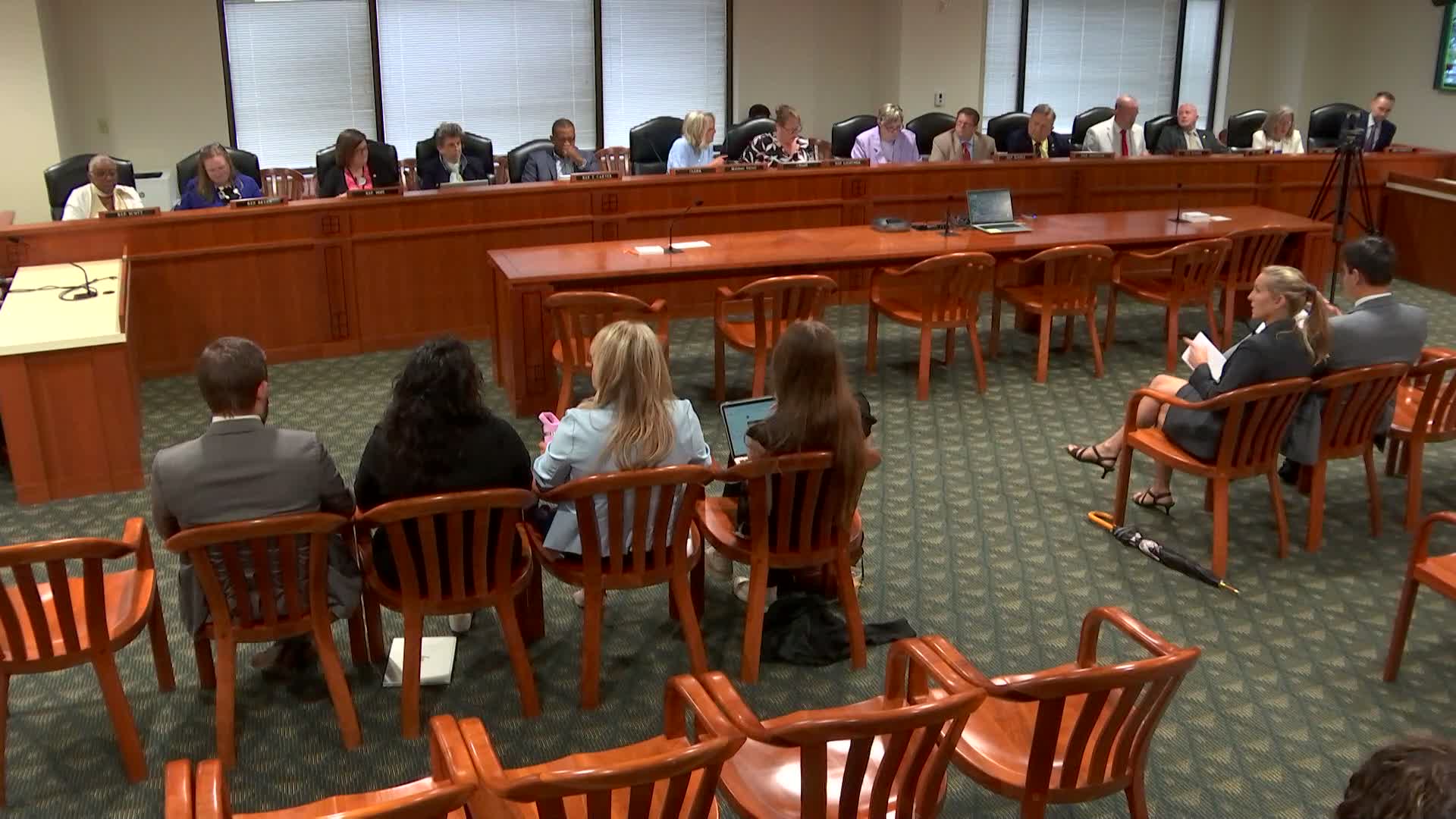
Committee members pressed witnesses on evidence of frequency and effectiveness of increased penalties. Sponsors cited recent incidents in multiple Michigan communities and a memo the testimony said warned of more protests in 2025. Members also debated scope language; the committee adopted an H‑1 substitute to tighten the bill’s language and limit application, with a roll-call of 7 ayes and 4 nays.
The bill’s fate remains pending; testimony revealed a sharp divide between public-safety and free-speech priorities and produced a commitment from members to consider narrower drafting.