Get Full Government Meeting Transcripts, Videos, & Alerts Forever!
Get email alerts on the Resentencing Young Adults topic
No spam. Unsubscribe anytime.
Judiciary committee hears divided testimony on resentencing bills for 19–20-year-olds (HBs 4506–4508)
Summary
A contentious hearing on HBs 4506–4508—bills to adjust resentencing procedures for 19–20-year-old offenders—saw prosecutors and victims’ families urging consecutive sentencing and preservation of life‑without‑parole as an option, while defense and appellate advocates warned of constitutional problems and likely litigation.
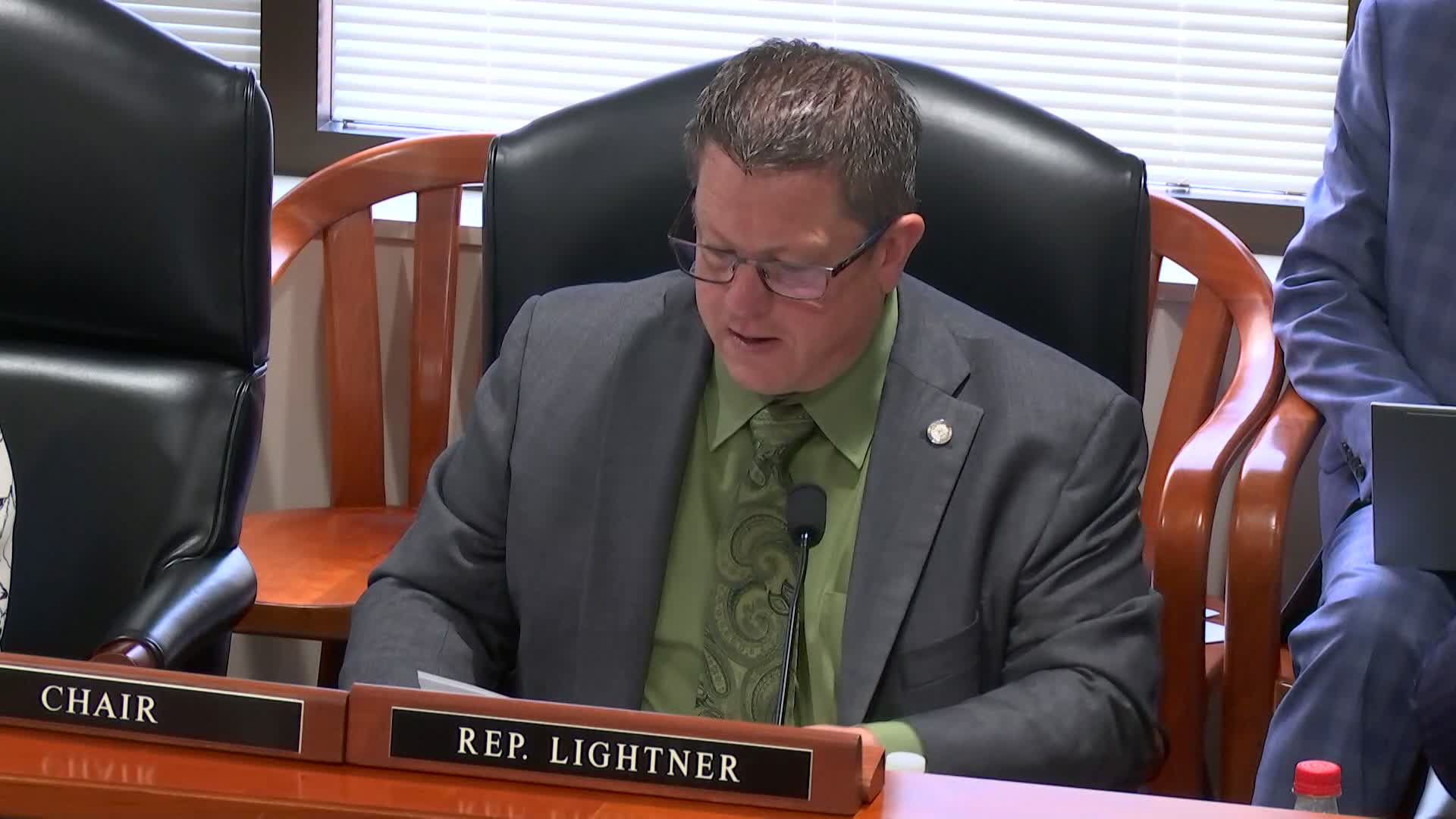
The House Judiciary Committee heard lengthy, often emotional testimony on a three‑bill package (HBs 4506–4508) that would change how courts resentenced people who were ages 19–20 at the time of offenses now subject to resentencing. Rep. Lightner framed the bills as targeted at "the worst of the worst," seeking to give prosecutors more time to seek life without parole where appropriate and to require consecutive sentences when multiple murders occurred, rather than concurrent terms that can allow a person to become eligible for release after serving only one sentence.
Kalamazoo County Prosecuting Attorney Jeff Gedding testified for the bills on behalf of the Prosecuting Attorneys Association, saying the package "centers victims" and preserves life without parole as an option. He told the committee there are "over 600 cases" that will require resentencing and that the bills provide realistic timeframes for prosecutors to pursue life without parole in some cases and prioritize hearings so victims' interests are addressed. "These bills importantly continue to allow for life without parole as an option in these cases," Gedding said.
Opponents included Maya Menlo of the State Appellate Defender Office, who said minimum sentences of 35–50 years authorized by HB 4506 would be de facto life terms for many young adults and risk running afoul of U.S. Supreme Court precedent (Roper, Miller, Montgomery) and recent Michigan Supreme Court holdings (Czarnecki, Taylor) requiring individualized youth sentencing. Menlo argued the bills raise equal protection, separation-of-powers, and ex post facto concerns and predicted litigation that would delay resentencings.
Several public witnesses spoke from lived experience. Roberta (Bobby) Gartley, who identified herself as a grieving mother, urged lawmakers to uphold heavy penalties for violent offenders, saying reopening cases risked releasing dangerous people. Joshua Puckett, who served 30 years after an offense at age 18 and now runs reentry programs, opposed the bills, arguing judges should retain discretion to weigh rehabilitation. Committee members pressed both sides on constitutional questions, the practical effect of consecutive sentencing, and how many affected cases were trials versus pleas.
The transcript records robust debate but no final committee vote on the resentencing package in this session; members agreed further discussion and likely amendments will follow.