Get Full Government Meeting Transcripts, Videos, & Alerts Forever!
Get email alerts on the Judicial Protection Act topic
No spam. Unsubscribe anytime.
Judicial Protection Bill Wins Emotional Testimony, Committee Hears Details but Takes No Vote
Summary
The House Judiciary Committee heard emotional testimony and technical briefings on House Bill 43-97, the Judicial Protection Act, which would let judges request that certain personal identifying information be shielded from public display; supporters cited threats to judges and families, witnesses described a 5-business-day takedown process and no new criminal penalties; no vote was taken.
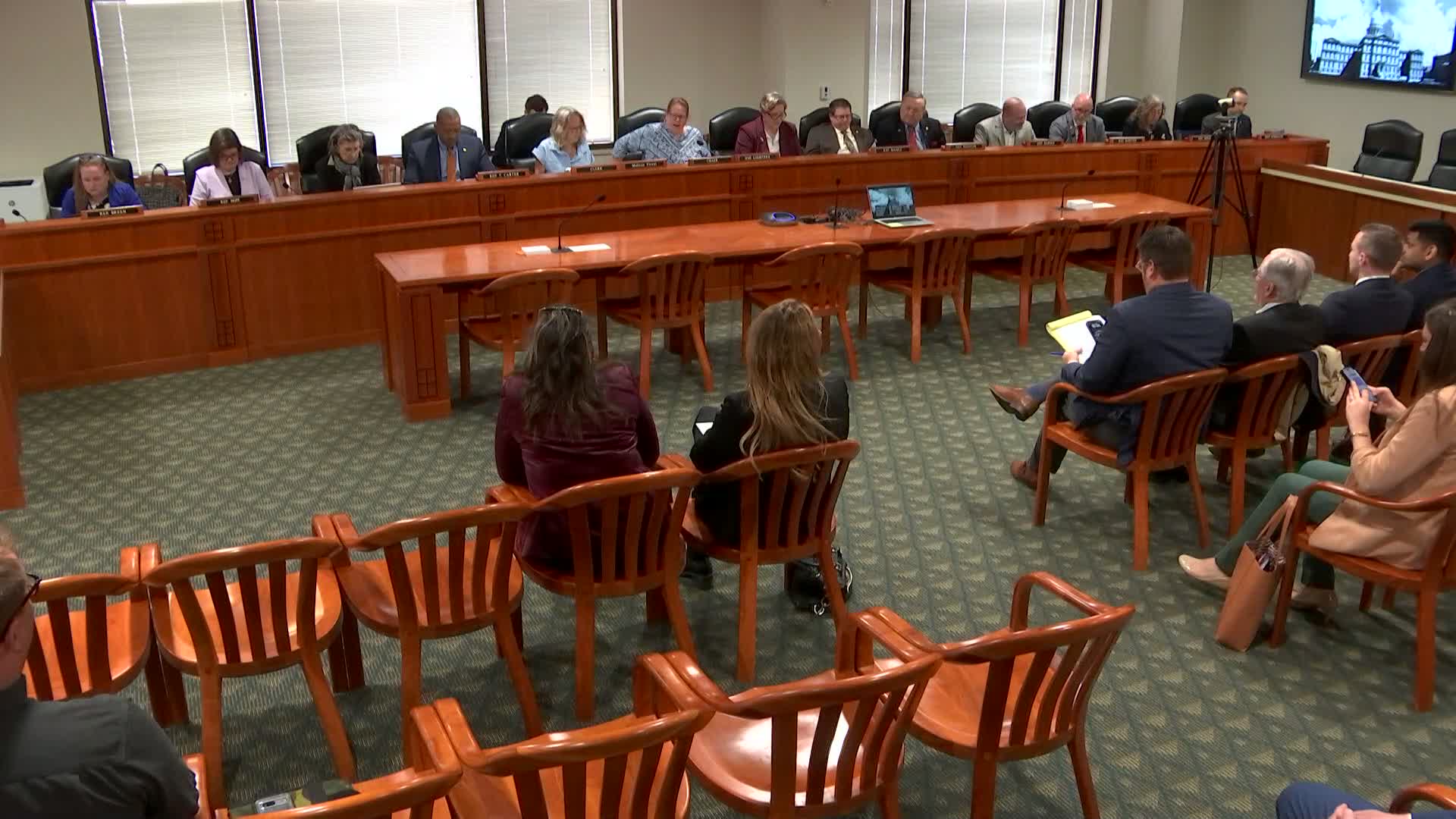
The House Judiciary Committee on Monday heard testimony on House Bill 43-97, the Judicial Protection Act, a measure that would allow judges to request that certain personally identifying information (PII) about themselves and immediate family members be withheld from public display to reduce the risk of doxxing and violence.
Judge Salas recounted the 2020 attack on her family that killed her son Daniel and seriously wounded her husband, and she urged the committee to adopt protections for judges. "This lawyer disguised as a FedEx driver came up to our front door ... and took the life of my only child, Daniel," she told the panel, and described ongoing threats and harassment directed at judges nationwide, including deliveries meant to intimidate. She said sealing PII would make "your judges in Michigan ... safer." The committee heard the testimony at the start of the bill hearing; no legislative action was taken.
Judge David McKeague, a senior judge on the U.S. Court of Appeals for the Sixth Circuit, said Congress passed a federal law limiting access to federal judges' PII but that state-held records remain exposed. "By my last count, 37 other states are either considering or have either enacted similar legislation," he said, urging the state to extend parity with the federal scheme while noting the draft bill before the committee is narrower in scope than some state statutes and does not create criminal penalties.
Nathan Triplett, director of public policy and governmental relations for the State Bar of Michigan, summarized the bill's mechanics and stakeholder work. He said the bill would define covered PII to include a judge's permanent residential address, license plate numbers and information about a judge's children's daycare or school, and would require judges to submit a written request on a form administered by the State Court Administrative Office (referred to in the hearing as SCALE). Triplett said a public body or private person would have five business days to comply with such a request and that, if they failed to do so, "the judge may commence a civil action to compel compliance." He added the bill does not require deletion of records and does not create new criminal penalties: "This legislation doesn't require the deletion of information. ... What is prohibited if a request is made is the publication, public display of this information."
Committee members asked questions about scope and implementation. Representative Bogle asked whether protections might extend to prosecutors, police or other public servants; Triplett and other witnesses said the bill was narrowly tailored to address judicial security and implementing the federal scheme for judges and that broader coverage would require new systems and resources. Representative Wozniak asked how the proposal would work with personal protection orders and redaction processes; witnesses said SCALE (the court administrative office) and already‑appropriated funds and a vendor would handle technical implementation and redaction procedures.
Representative DeBoyer and other members raised concerns about equity and how to explain to constituents why judges would get this protection while many stalking victims cannot access the same relief; witnesses acknowledged those concerns and pointed to existing resources such as address confidentiality programs for eligible victims while reiterating the bill's narrowly institutional focus on preserving judicial independence.
A member of the public, Brad Dolan, urged caution on implementation and said confidentiality could conceal conflicts or information relevant in family or courtroom settings, recounting a personal experience involving a judge's spouse. The chair also read several written cards of support into the record from organizations including the Michigan Association of Registers of Deeds, the Consumer Data Industry Association, the State Bar family law section, the Michigan District Court Judges Association, the Michigan Probate Judges Association, and representatives of the Michigan Judges Association and the State Court Administrative Office.
No committee vote on HB 43-97 was taken at the hearing. Earlier in the meeting the committee adopted the April 30 minutes on the motion of Representative Wozniak by unanimous consent. The committee adjourned with no further business.
The committee hearing included detailed discussion of implementation steps (a mandatory form and delegation to the State Court Administrative Office), a five-business-day compliance window, the absence of new criminal penalties, the categories of PII covered, and statements that funds and a vendor had already been appropriated to support implementation.