Get Full Government Meeting Transcripts, Videos, & Alerts Forever!
Get email alerts on the Deepfakes And Prosecutors topic
No spam. Unsubscribe anytime.
Committee hears testimony on HB4047/HB4048 to criminalize nonconsensual intimate deepfakes; prosecutors warn of staffing and funding gaps
Summary
Witnesses and bill sponsors told the House Judiciary Committee that HB4047 and HB4048 would create civil and criminal remedies for nonconsensual intimate deepfakes; advocacy groups cited prevalence data and prosecutors urged attention to staffing, funding and forensic delays.
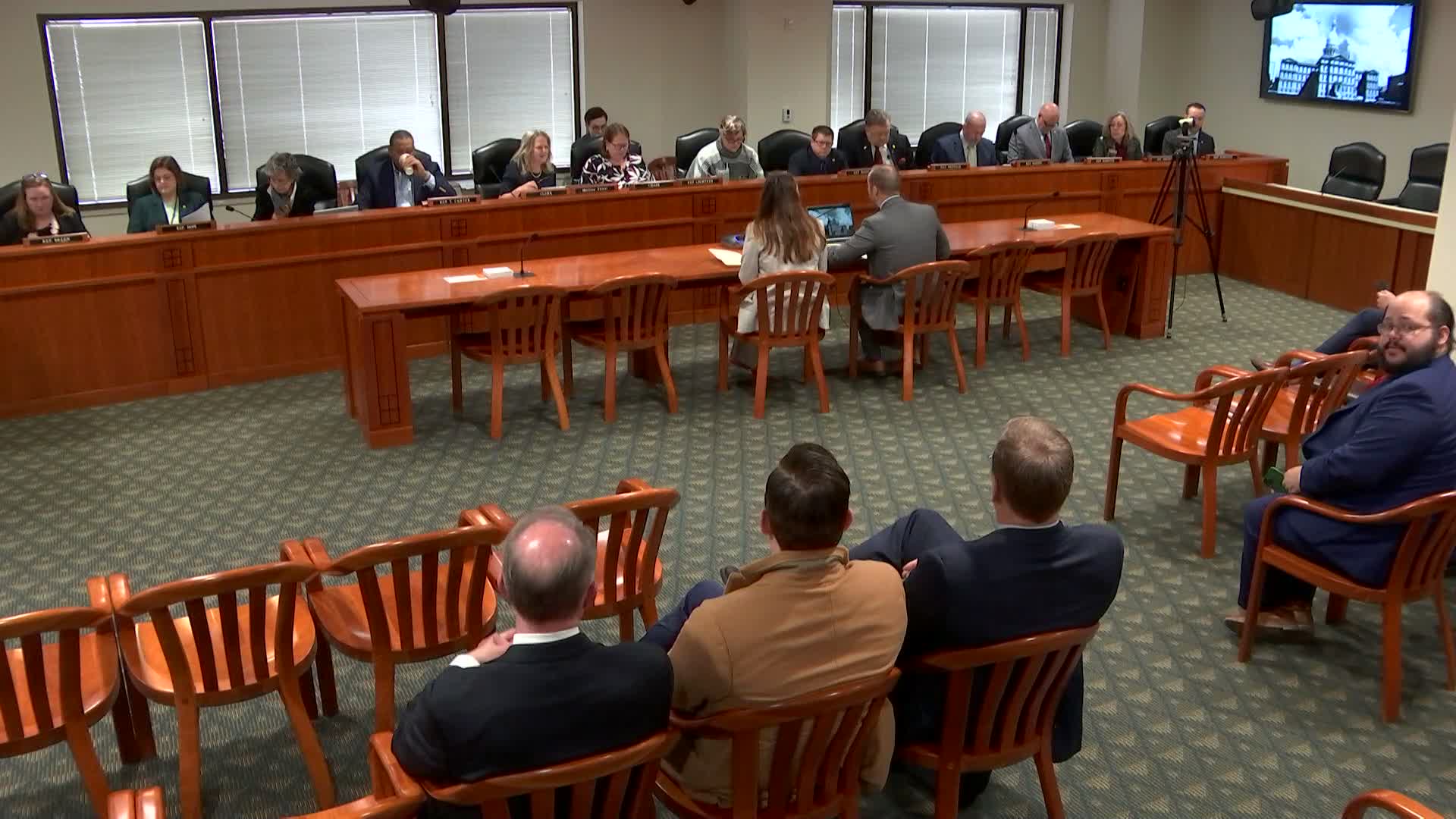
The House Judiciary Committee heard bipartisan testimony on House Bills 4047 and 4048, which would create civil and criminal penalties for the nonconsensual creation or distribution of intimate deepfakes, and received a separate presentation from the Prosecuting Attorneys Association of Michigan on staffing, funding and system challenges.
Bill sponsors described the legislative standard for civil suits — that the accused acted with knowledge or reckless disregard of the depicted individual's lack of consent, that the image realistically depicts intimate parts and the individual is identifiable — and outlined misdemeanor and felony thresholds. Representative Serna Lewis summarized criminal penalties in committee testimony, saying a misdemeanor conviction would carry up to one year in jail and a fine up to $3,000, while felony exposure could carry up to three years and a fine up to $5,000 where additional aggravating factors apply.
Alana Beller of Public Citizen demonstrated the improved realism of AI-generated media and cited research showing many people cannot reliably distinguish fakes from real images; she urged clear consent standards and noted that disclaimers should not be a defense in intimate-deepfake cases. Zoe Brewer of RAINN described survivor harms and cited statistics about the predominance of nonconsensual content and reports involving minors. Both witnesses urged passage of the bills to provide avenues for injunctive relief, economic damages and criminal deterrents.
Committee members pressed sponsors and witnesses on how authenticity would be established in court and whether state statutes would dovetail with federal efforts such as the "Take It Down" initiative. Witnesses said that technical determinations of authenticity are ultimately a matter for courts aided by forensic methods and emerging watermarking and that state-level statutes would complement federal initiatives by giving local law enforcement and prosecutors tools to act.
In a separate presentation, Kent County Prosecutor Chris Becker, speaking for the Prosecuting Attorneys Association of Michigan, outlined statewide concerns: difficulty recruiting prosecutors in some counties (he cited Ontonagon as currently without a prosecutor), pay and staffing disparities with indigent defense, heavy caseloads, and delays in forensic evaluations (competency exams averaged about 90 days; criminal-responsibility exams can take around a year). Becker thanked the legislature for funding the CARPEL case-management system but urged attention to funding for prosecutors' participation in treatment courts, and to reducing forensic delays that leave defendants jailed awaiting evaluations.
The committee did not take votes on HB4047 or HB4048 during the hearing; sponsors said they would continue refining technical drafting and respond to follow-up questions from members.