Get Full Government Meeting Transcripts, Videos, & Alerts Forever!
Get email alerts on the Wastewater topic
No spam. Unsubscribe anytime.
Owosso leaders urge $15 million to replace failing nitrification towers, warn of steep rate hikes
Summary
Owosso officials and local witnesses told the appropriations subcommittee that three failing nitrification towers at a regional wastewater plant must be replaced to avoid environmental harm; they said tower replacement is a roughly $15 million component of a larger $207 million project and warned ratepayers face large increases without state help.
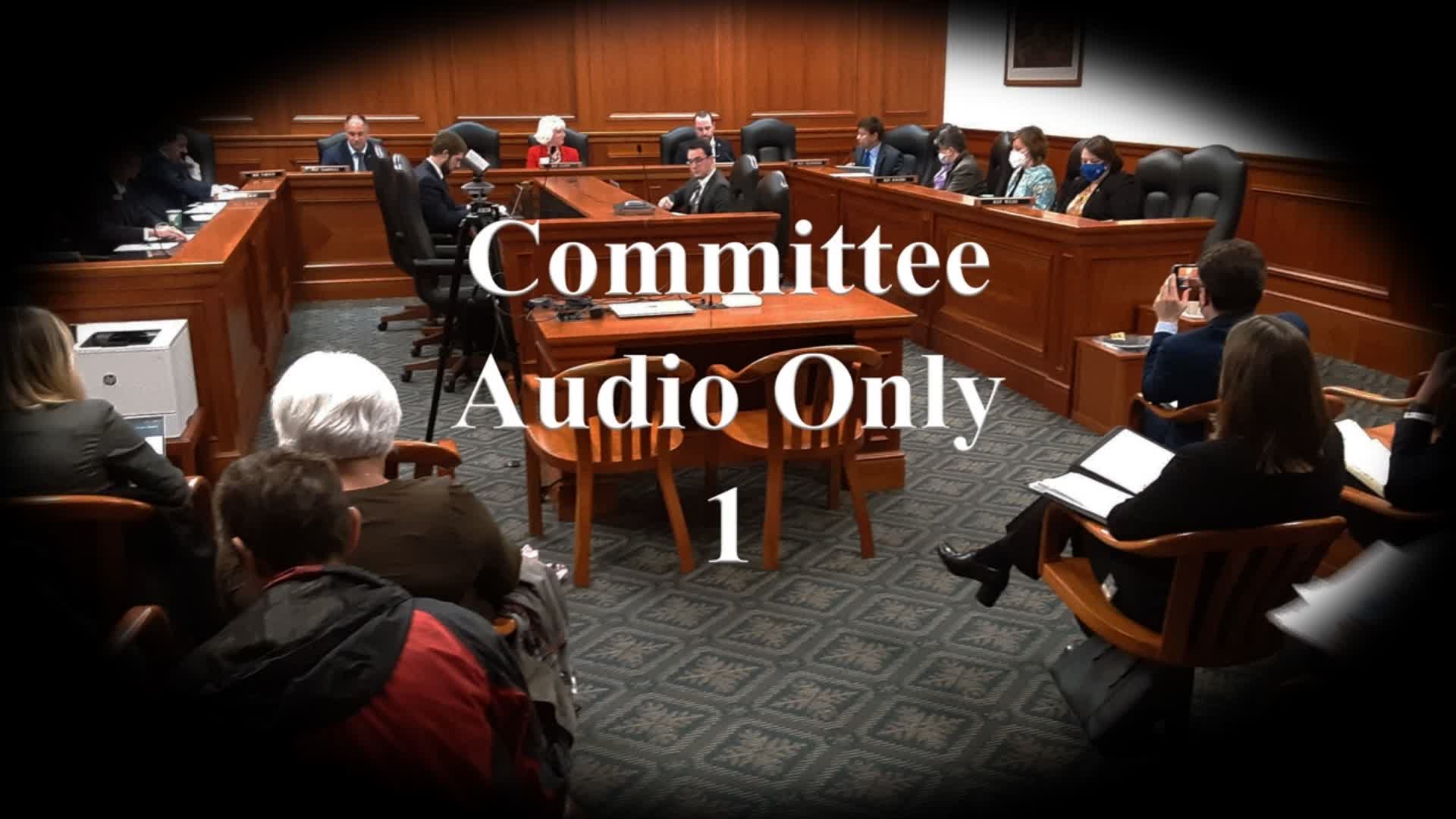
Local officials and community witnesses told the House Appropriations Subcommittee on Environment, Great Lakes, and Energy that Owosso’s wastewater system needs immediate state assistance to replace three failing nitrification towers and prevent environmental and economic harm.
Justin Horvath, president and CEO of the Shiawassee Economic Development Partnership, said the towers represent the most critical portion of a broader $207,000,000 regional project and that their failure could cause an environmental catastrophe for the Shiawassee River and downstream waterways. He said 30% of his district relies on the system and that the replacement segment represents about $15,000,000 of the overall program. "This is the most significant portion, that could fail at any time and cause an environmental catastrophe to the Shiawassee River," he said.
Tom Cook, executive director of the Cook Family Foundation and founder of Friends of the Shiawassee River, told the committee the towers are about 40 years old and that their failure could result in untreated or partially treated wastewater entering the river. He estimated potential discharge of up to 6,000,000 gallons per year if the towers were not replaced and said emergency replacement would be more costly than planned replacement.
Shelly Ogednicki, a lifelong Owosso resident, school board member and small-business owner, described the household impact of proposed rate increases and said the community faces an estimated 108% increase in water bills over the next five years if the state does not assist. "That's not sustainable," she said, and urged the committee to provide funding relief to protect families, seniors and small businesses.
Committee members asked clarifying questions about the scope of customers served and the system’s regional reach. The subcommittee did not vote on funding during the meeting.