Steamboat Springs board weighs keeping 22 staff housing units as rentals after Fair Housing limits resale terms
Loading...
Summary
Trustees discussed a 22‑unit staff housing proposal for the Sleeping Giant parcel and, after learning recent Fair Housing Act limits on deed‑restriction resale terms, moved toward retaining as many units as financially feasible as rentals, while pursuing surveys, financing analyses and forming a committee and possible owner's rep.
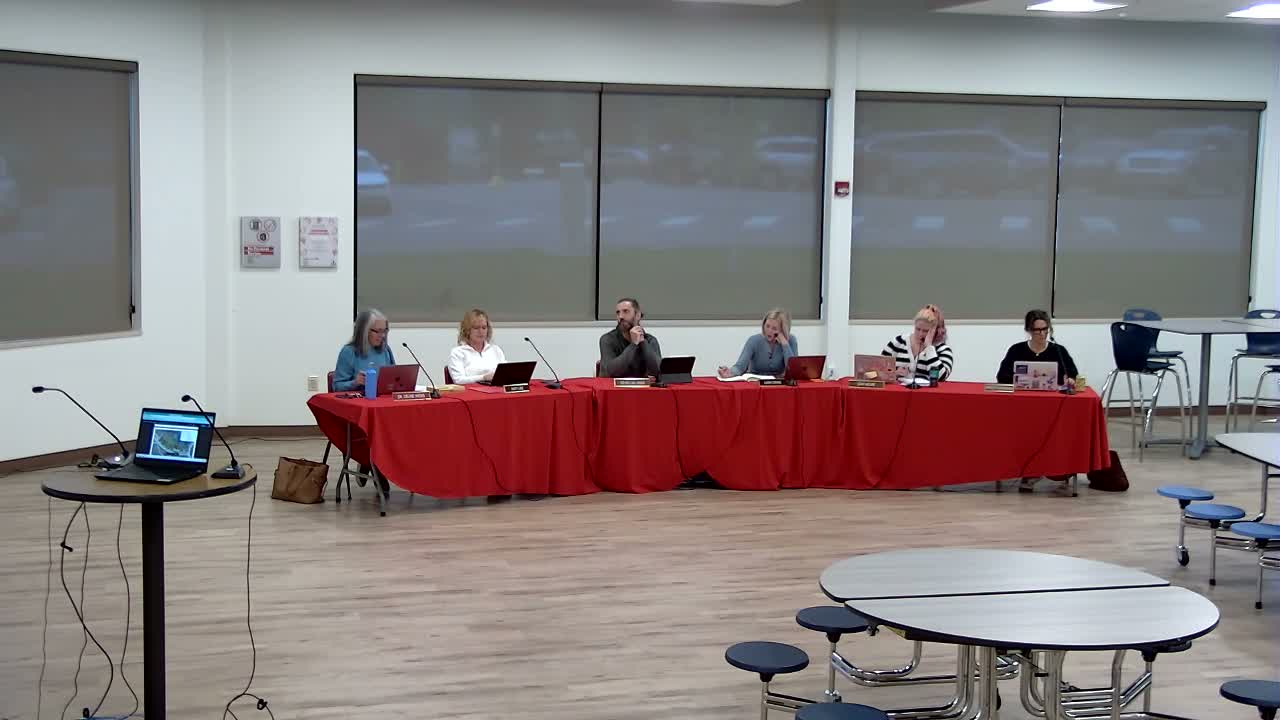
The Steamboat Springs School Board on Sept. 22 spent most of its meeting discussing a proposed 22‑unit staff housing project on the Sleeping Giant parcel and whether the district should retain units as rentals or sell some to staff.
Dr. Celine Wicks introduced the item and told trustees that recent guidance on the Fair Housing Act limits the district’s ability to impose time‑bound deed‑restriction resale terms that would have required owners to resell to district‑preferred buyers if they leave the district. "According to the Fair Housing Act, you absolutely cannot do that," Wicks said, adding she had checked with the district’s legal counsel who confirmed the restriction.
Why it matters: the outcome will shape how many units the district must finance and whether rental income, sales proceeds or a mix of both will pay debt service. Trustees said the housing could help recruit and retain staff amid anticipated retirements; Kevin noted about 89 district employees had expressed interest in purchasing in an earlier survey.
Trustees and staff considered multiple options. Stephanie (district staff) described financing options such as certificates of participation (COPs) that allow the district to issue debt repayable from rent proceeds without going to voters. Stephanie said some RFP respondents proposed that the district buy all units; the chosen proposer (referred to in the packet as Bridal Homes) recommended selling 12 units and renting 10, but other proposals had models for district ownership.
Board members debated tradeoffs. Trustee Cresta said rentals could better support staff attraction and retention; Trustee Laura and Trustee Leah emphasized affordability and parking. Trustees asked for more data on demand and unit mix: Stephanie said concept A would have two first‑floor accessible units and concept B would have four, and the "Maui" units are described as roughly 900 square feet, two‑bed, two‑bath one‑story units. Kevin and others discussed the rough cost numbers the board had seen (trustees discussed that 10 units were estimated at about $5,000,000 and that 12 additional units might add roughly $6,000,000; speakers characterized those as approximate).
Next steps: Dr. Wicks summarized agreed follow‑up actions — asking Brad Calvert about STR (short‑term rental) grant timing, issuing a fresh staff survey to update purchase vs. rental interest, convening a housing committee that could include potential occupants, exploring hiring an owner’s representative, and having Stephanie produce financing scenarios comparing selling various numbers of units versus district ownership funded by COPs or other mechanisms. Stephanie said Bridal Homes had offered to run another survey.
The board did not take final action on the housing plan at the meeting; trustees asked staff to return with updated survey results, financial modeling and a committee recommendation.