Get Full Government Meeting Transcripts, Videos, & Alerts Forever!
Get email alerts on the Ethics Regulations topic
No spam. Unsubscribe anytime.
Loveland city attorney proposes in-house ethics enforcement, prompting concerns about independence
Summary
City Attorney Vince Jungles and consultant Matt Hader presented a consolidated draft of ethics regulations that would centralize initial complaint screening in the City Attorney’s Office, rely on special counsel for investigations, and allow advisory opinions for officials. Residents and several council members raised concerns about perceived concentration of power and a $10,000 defense allotment.
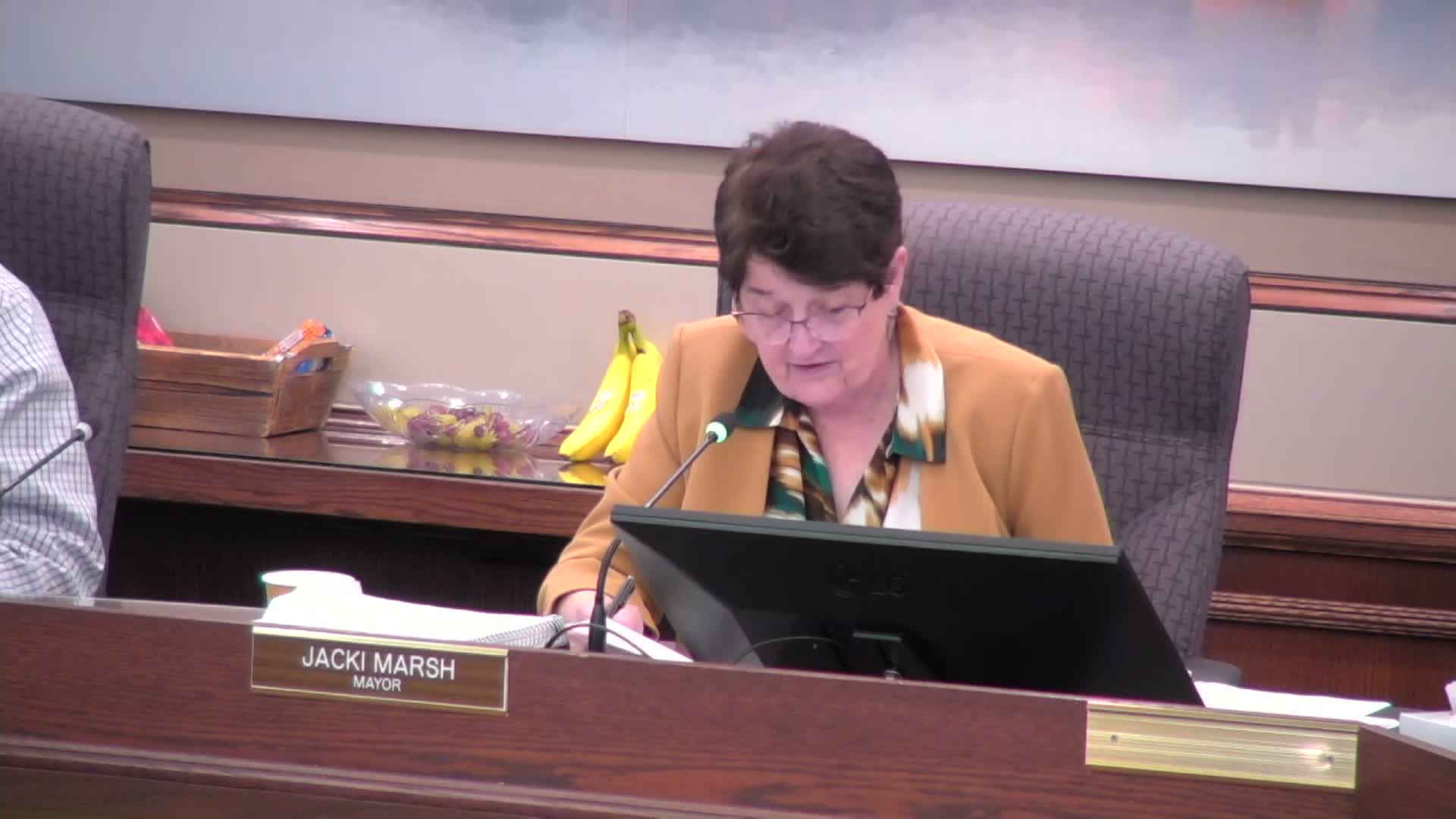
City Attorney Vince Jungles and outside advisor Matt Hader presented an information-only update to proposed ethics regulations at the Loveland City Council study session, outlining a consolidated code and an administrative enforcement process that would be managed initially by the City Attorney’s Office.
Jungles said the draft brings scattered ethics provisions together into new chapters (including proposed chapters 2.75/2.8/2.85) and preserves charter provisions while creating a clearer, enforceable process. Under the proposal, complaints must be signed and filed under penalty of perjury, cannot be anonymous, and will be screened against a list of grounds for dismissal. If a complaint survives screening, the City Attorney’s Office may retain special counsel to investigate; the City Attorney would produce a confidential report to the council, which could then direct dismissal, further investigation, or issuance of a notice to proceed that leads to a public evidentiary hearing and selection of a hearing officer by majority vote.
The draft would allow the City Attorney to issue advisory opinions to elected officials who seek guidance on potential conflicts or gifts; Jungles said written advisory opinions provide officials cover “as long as you fully disclose the facts” and “rely on this written opinion.” Proposed sanctions range from reprimand, censure and monetary fines to suspension; Jungles emphasized that removal from office remains possible only after a criminal conviction as provided in the charter.
The draft also adds a new violation for failure to disclose ex parte communications and includes an anti-retaliation provision aimed at protecting witnesses and staff. It establishes a clear-and-convincing-evidence standard for administrative hearings and includes an initial allotment of up to $10,000 in city-funded legal representation for an accused official at the notice-to-proceed stage, with the possibility of more funds for good cause.
Public commenters and several council members raised objections to vesting initial screening authority in the City Attorney’s Office. George Gartner said he was concerned about “a little bit of a problem” putting the city attorney in the gatekeeper role because the attorney is appointed by council and could have prior involvement advising elected officials. Troy Daniels asked what “when necessary” meant on presentation slides and questioned insulation for the City Attorney if an action were brought against that office. Phone commenter Linda Rose warned multiple times that concentrating gatekeeping authority in one person could politicize the process.
During council Q&A, members pushed for clarifications and protections. Councillor Olson stressed the City Attorney’s role as neutral legal advisor but acknowledged it was “unusual” to give the office screening authority; Jungles said he was not “terribly thrilled” by that authority but felt capable of exercising it, and he repeatedly said special counsel may be brought in when conflicts arise. Council members pressed to increase the $10,000 allotment for defense costs, to define procedures for recusal and to clarify whether open-meetings-law violations should also be treated as ethics violations. Jungles said the proposed gift cap language tracks Amendment 41 to the Colorado Constitution and cited the current adjustment to $75.
No formal action was taken; staff said they would return with revisions that respond to council feedback, potentially including increased funding for defense, clearer recusal language, codification of City Attorney approval for executive sessions, and expanded involvement of special counsel at more stages of the process.
The council did not vote on the proposal; the item was presented for feedback only and will be revised based on the concerns expressed at the session.