Get Full Government Meeting Transcripts, Videos, & Alerts Forever!
Get email alerts on the Contracts And Accountability topic
No spam. Unsubscribe anytime.
Council clash over reported budget shortfall and contractor delays as staff seeks 45‑day extension
Summary
A sharp exchange unfolded over whether Biloxi faces a $6–12 million 'deficit' and whether to grant a 45‑day extension to a contractor who requested 175 days; councilors split between enforcement and allowing time to finish ahead of major events.
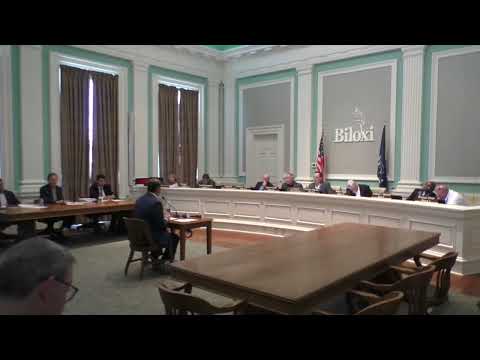
Biloxi City Council members debated a reported multi‑million dollar budget shortfall and pressing performance problems on a multi‑segment roadway contract during extended discussion at Tuesday’s meeting.
Councilman Marshall raised a concern about the budget, saying he had heard figures “in between 9 and $12,000,000” for the shortfall and urged the council to treat the situation seriously. Mayor Andrew Fofo Gillich and finance staff pushed back on that characterisation and described the difference as the gap between revenues and expenses rather than a true deficit under governmental accounting. "A deficit, in my opinion... it's not a deficit budget in the true sense of governmental accounting," the mayor said, adding that the city began the year with a $12–$13 million beginning balance and staff projects an ending balance in the $500,000–$600,000 range if revenues meet expectations.
Separately, public‑works staff and project managers updated the council on an infrastructure contract along Highway 90/Camellia Street. The contractor requested a 175‑day extension. Project staff recommended granting only 45 days, saying that a larger extension was not warranted and that crews could be reallocated to keep progress moving. "The contractor asked for a hundred and 75 days ... We felt 45 should be sufficient in our opinion," a project representative said.
Council responses were sharply divided. Some councilors urged strict enforcement and the possibility of liquidated damages if the contractor failed to perform, arguing small businesses along the corridor are being harmed by prolonged construction. Others sided with project staff, noting upcoming events (including Cruising the Coast) and the practical need to let crews finish critical segments. One member summarized the tension: "If we don't hold their feet to the fire, it's business as usual; but if we pull the trigger too soon, we may cause delays and additional legal costs." Public‑works staff said they will press the contractor for a schedule and that any additional change orders tied to event timing would be recommended separately for council approval.
The council approved the consent agenda (with listed exceptions) and included the contractor‑related change order items in its routine votes. Members asked for continued staff updates and for the administration to return with options — including financial remedies — if performance does not improve.
Next steps: staff will provide a more detailed budget reconciliation for council review and continue to monitor the contractor's schedule; the council can revisit extensions, change orders or liquidated‑damages enforcement in future meetings.