
Mosinee School District reports balanced budget, flags declining enrollment and outlines referendum building timeline
Get AI-powered insights, summaries, and transcripts
Subscribe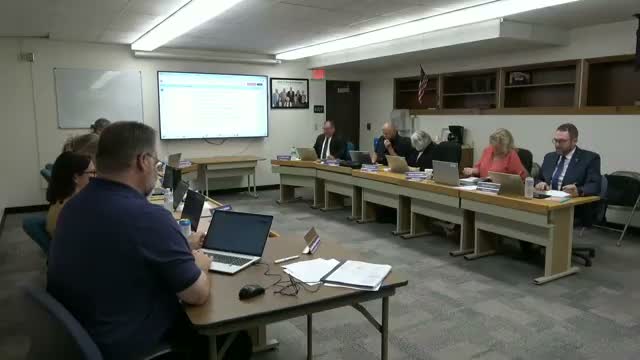
Summary
Superintendent Greg Dover Spiker presented the district's annual report and a building project financed by a recently passed referendum; finance staff said the budget is presently balanced but declining enrollment and reduced state aid mean the district proposes an advisory $11.775 million levy and will present a final budget in October.
Superintendent Greg Dover Spiker told residents at the Mosinee School District annual meeting that the district is "both busy and rewarding" following the passage of a building referendum and steps taken to balance the budget. He said the district is focusing on personalized learning, instructional excellence, partnerships and professional leadership, and that the referendum-backed project is on schedule for the 2026–27 school year.
"This past year has been both busy and rewarding with the successful passage of the referendum," Spiker said, noting the district has revised crisis and evacuation procedures and expanded student mental‑health services through an increased partnership with Compass Counseling.
Finance director Rod Huether said the district's preliminary budget is balanced for the current year but warned that declining enrollment and lower state aid are constraining revenue. Huether described the district's fund structure (general fund, special projects fund 21, special education fund 27, capital projects fund 46 and referendum fund 49) and said the first set of bonds for the referendum was sold in 2025, with the remaining bonds scheduled for early 2026. He added that interest rates came in lower than projected, which should keep the referendum tax impact at the rate shared during the referendum process.
Huether explained the revenue‑limit calculation the district uses (a three‑year average) and the effect of a one‑year declining‑enrollment exemption. He presented example mill‑rate scenarios, saying a conservative 7.5% valuation increase would yield an estimated mill rate near $6.14 (compared with roughly $5.89 previously), while an 11% valuation increase would reduce the mill rate example to about $5.95; he cautioned that final levies depend on certified valuation and state aid figures.
Board members and residents pressed for more detail on why enrollment is falling. Spiker said the district's experience reflects wider national trends — fewer births and limited local housing — and noted the district is working with municipal partners to explore housing and recruitment strategies. He also said open‑enrollment numbers have been net positive for the district and that staff will provide a detailed membership and open‑enrollment report next month.
The superintendent said the district will present final aid certification, property valuation and enrollment data at the October board meeting before adopting a finalized budget.
The board completed routine financial reporting items, including a brief treasurer's report that noted the district's post‑employment benefits fund (fund 73) is nearly fully funded.
The meeting closed with the board setting the 2026 annual meeting for Sept. 15, 2026, to precede the regular September board meeting. The board also approved a series of routine authorizations (transportation, school lunches) and an advisory levy at the numbers disclosed during the meeting.
The district identified no immediate changes to the referendum timeline; the next key procedural step is finalizing enrollment and aid data ahead of the October budget adoption meeting.