Get Full Government Meeting Transcripts, Videos, & Alerts Forever!
Get email alerts on the Code Enforcement topic
No spam. Unsubscribe anytime.
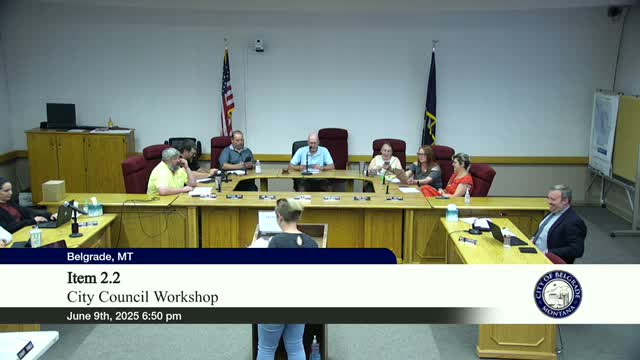
Belgrade staff proposes tougher right-of-way permitting, civil penalties for construction obstructions
Summary
City staff proposed expanding right-of-way permits, requiring staging plans and assessing civil penalties to developers/property owners to curb construction obstructions that block emergency access and create hazards; staff aims to draft ordinance language in one to two months for late‑August review.
City administration and Public Works outlined proposed changes to the municipal code to address road obstructions and other impediments created by construction activity.
Staff described frequent incidents in subdivision and remodel construction—piles of gravel, trailers, dumpsters and building materials placed in public right-of-way—that can block access for emergency responders and impede normal travel. Current enforcement tools often rely on misdemeanor charges against individuals or a civil infraction model that is difficult to apply to large projects; staff proposed expanding the right-of-way permitting process and adding civil penalties assessed against property owners or developers as an enforcement lever.
Key elements under discussion include requiring staging plans at subdivision approval or permit issuance, integrating right-of-way permit conditions into building/subdivision approvals, offering time-limited permits with specified staging areas, and structuring penalties so that developers (property owners) can be held accountable if subcontractors or crews violate staging rules. Staff said the model has been used elsewhere to reduce problems by making the property owner financially accountable when their contractors do not comply.
Capacity and timeline: staff cautioned the city’s code-enforcement function is reactive with limited staff and said proactive enforcement would require additional resources or adjusted fees. Staff told council drafting would likely take a month or two and targeted late August to present an ordinance for council consideration so any new enforcement tools could be in place for the next construction season.
Council reaction: members supported stronger tools to protect life‑safety and smooth traffic operations; they asked staff to include exemptions or clearer language for small, short-term homeowner projects so penalties do not unintentionally penalize homeowners using a contractor for a 2–3 day job.
Next steps: staff will draft ordinance language and return to council for direction in the stated timeline. No formal ordinance vote was taken in the workshop.