Get Full Government Meeting Transcripts, Videos, & Alerts Forever!
Get email alerts on the Procurement Policy topic
No spam. Unsubscribe anytime.
Committee recommends 'responsible bidder' ordinance after union and contractor testimony
Summary
The Committee of the Whole voted to recommend a proposed 'responsible bidder' ordinance to the City Council following testimony from union representatives and local contractors urging minimum standards for public‑works bidders and worker safety protections.
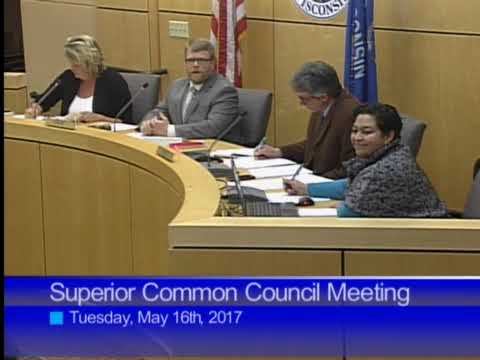
The Committee of the Whole on May 16 recommended forwarding a draft "responsible bidder" ordinance to the City Council after hearing public testimony from labor representatives and contractors.
Mayor Jim Payne introduced the ordinance as an update to city code intended to define "responsible" bidders and bring the city's public‑works contracting language into compliance with state law. Payne said the measure is meant to ensure contractors are capable of performing work, follow applicable laws and provide quality outcomes for taxpayers rather than simply awarding contracts to the lowest bidder regardless of qualifications.
Several speakers supported the proposal. Jeremy Bridal, business representative for the Carpenters Union, urged support and warned about labor brokers bringing undocumented workers into the region. Adam Johnson, construction manager with Webster's Northland Construction, said properly training employees "takes time and it takes money" and argued the ordinance would protect safety and deliver better value. Kirk Ielenda of Bolt company and Casey Aronson of the Northern Wisconsin Building Trades Council also supported the ordinance, citing experience, financial stability and training. Joseph Stenzland, a local resident, urged councilors to "stand up for labor."
Councilors asked questions about how the proposed city language compares with Douglas County and past city language; staff and the mayor said the ordinance retains permissible protections (compliance with OSHA, workers' compensation, employment and labor laws) while removing provisions barred by state law (for example, local prevailing-wage provisions and project‑labor agreements that state law now restricts). Committee members voted to recommend the measure to the full council for consideration.
The recommendation does not by itself change city code; it moves the draft to the City Council for a future vote.