Get Full Government Meeting Transcripts, Videos, & Alerts Forever!
Experts and lawmakers clash over ICE quotas, interior raids and impacts on community policing
Summary
Former ICE officials, sheriffs and community‑policing advocates gave contrasting views on whether enforcement should emphasize volume (quotas) or targeted arrests of violent offenders; witnesses warned quotas damage morale and community trust while some sheriffs cited rising local crime.
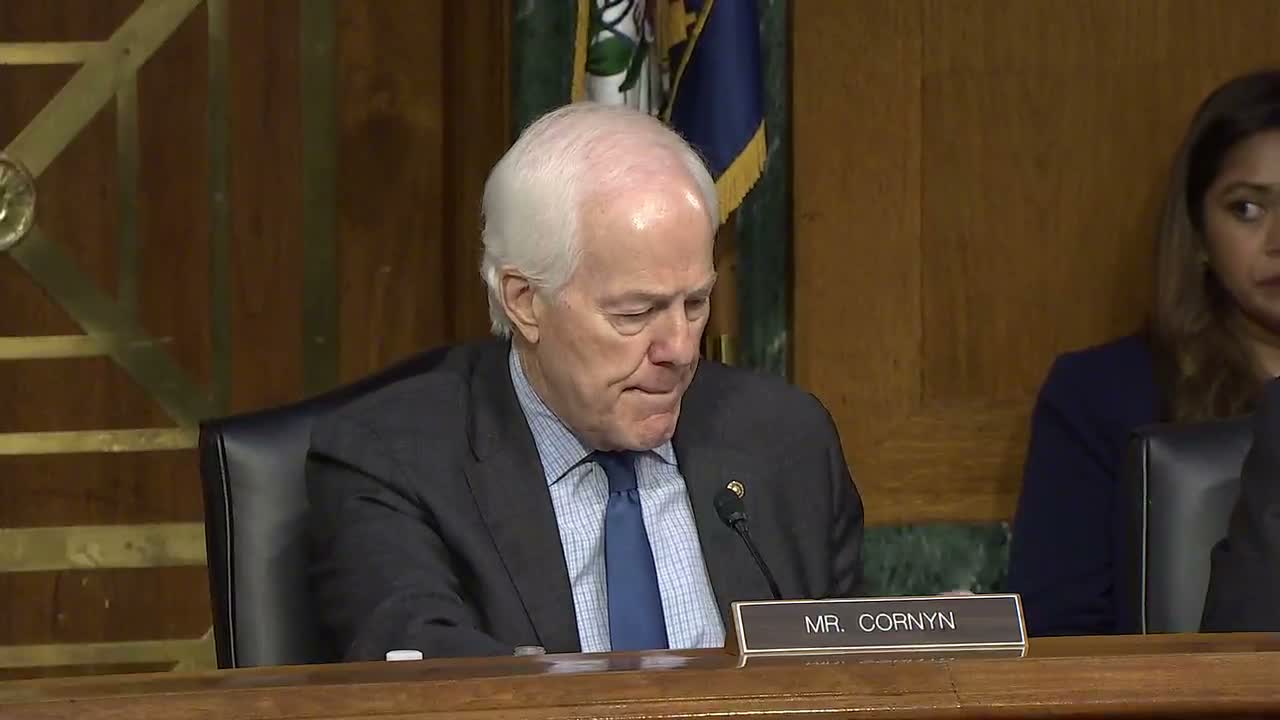
WASHINGTON — A central theme of the Senate subcommittee hearing was a dispute over enforcement tactics: whether interior immigration arrests should be driven by quotas and volume or narrowly targeted at public‑safety threats.
Former ICE official Deborah Fleischhacker criticized what she described as a quota‑driven approach in which "officers have reportedly been pressured to meet 3,000 arrests per day," arguing that number‑driven enforcement diverts resources from real threats and undermines public safety. "We need smarter enforcement," she said,…
Already have an account? Log in
Subscribe to keep reading
Unlock the rest of this article — and every article on Citizen Portal.
- Unlimited articles
- AI-powered breakdowns of topics, speakers, decisions, and budgets
- Instant alerts when your location has a new meeting
- Follow topics and more locations
- 1,000 AI Insights / month, plus AI Chat