Get Full Government Meeting Transcripts, Videos, & Alerts Forever!
Get email alerts on the Prosthetics Activity Coverage topic
No spam. Unsubscribe anytime.
Patients and clinicians back bills to require insurance coverage for activity‑specific prostheses
Summary
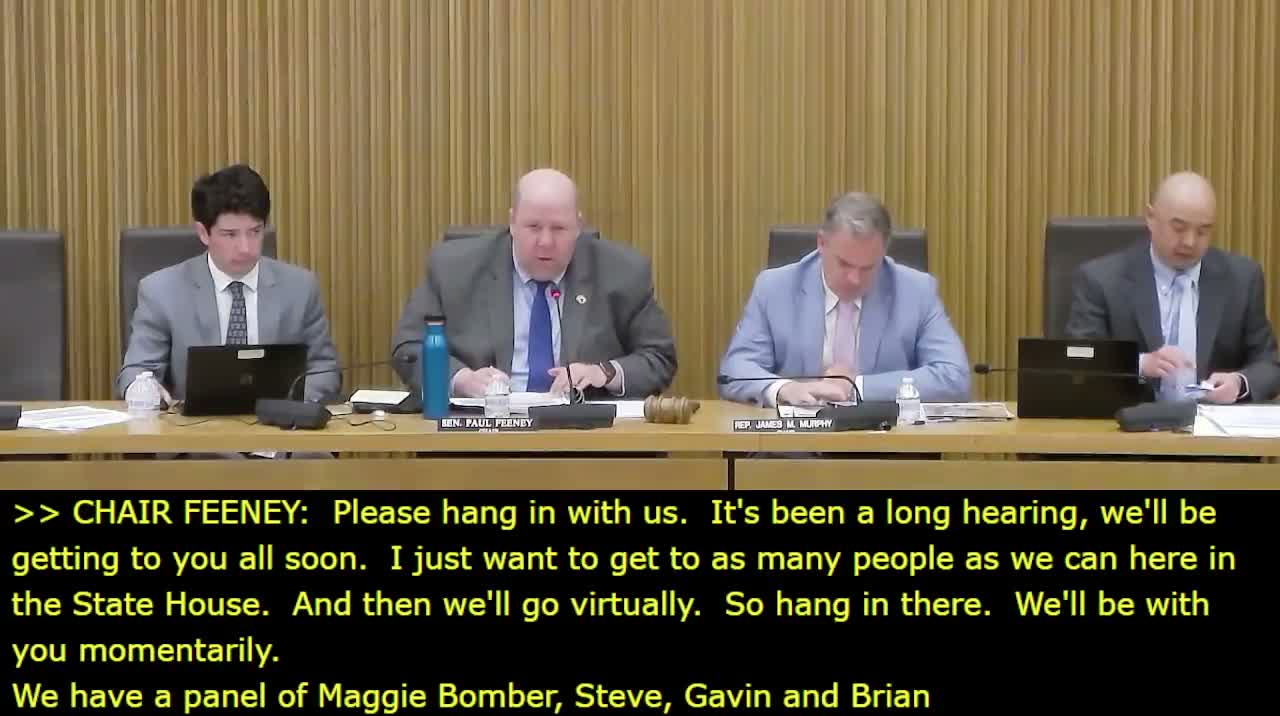
Patients, prosthetists and clinicians urged the committee to pass So Everybody Can Move bills (H1178/S811/S836) to require coverage of activity‑specific, secondary prostheses and orthoses for children and adults, citing small per‑member premium increases and large quality‑of‑life gains.
A broad coalition of patients, clinicians and suppliers told the Joint Committee on Financial Services that activity‑specific secondary prostheses — running blades, swimming legs, water legs, and sport‑specific arms — are routinely excluded by insurers even though they are clinically indicated to maintain physical activity, prevent secondary injuries and improve mental health.
Multiple witnesses provided personal accounts: Mike Benning (amputee and former Paralympic athlete) described different prostheses he used for weightlifting, daily tasks and high‑impact sport; Kevin Chambers said that his running blade cost him over $12,000 and had to be raised via crowdfunding. Prosthetic‑service providers and Spaulding Rehabilitation clinicians (including the medical director of the amputee program) testified about organized adaptive programs, training groups and the long‑term health benefits of enabling exercise for people with limb loss.
Policy witnesses cited low estimated premium impacts (commonly quoted in testimony as between 1¢ and 28¢ per member per month) and potential downstream savings by preventing knee/hip damage and other costly complications. Clinicians recommended qualification and review processes for activity devices similar to those used for primary prostheses.
The committee did not vote on the bills at the hearing; sponsors urged the committee to move language that would extend coverage to MassHealth and fully insured policies, and to adopt clinical review and authorization procedures.