Get Full Government Meeting Transcripts, Videos, & Alerts Forever!
Get email alerts on the Nurse Navigation topic
No spam. Unsubscribe anytime.
Detroit Fire Department outlines nurse‑navigation plan to triage low‑acuity 911 calls
Summary
City fire officials presented a nurse‑navigation model to divert low‑priority 911 calls to nurses for telehealth, urgent‑care scheduling or transport alternatives; the department expects vendor selection this year, a pilot in January and a phased rollout next year.
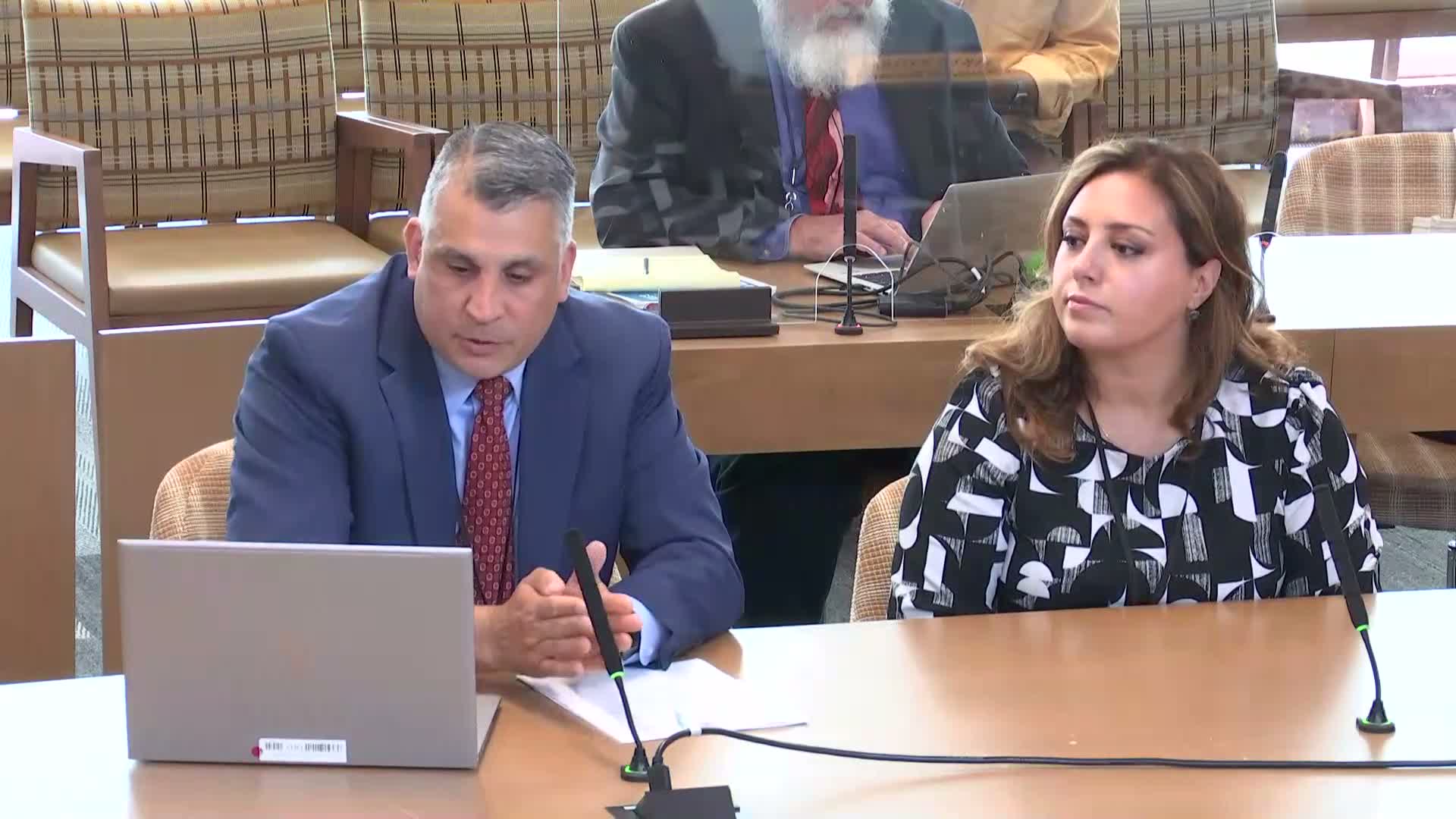
Detroit Fire Department leaders briefed the City Council Public Health and Safety Standing Committee on June 16 on a proposed nurse‑navigation program intended to triage low‑acuity 911 calls and direct callers to appropriate care.
Second Deputy Commissioner Derek Hellman described the rationale: DFD receives about 150,000 911 calls annually and estimates that roughly 25 percent are non‑emergent (for example, twisted ankles and other low‑priority medical needs). The department proposed transferring those lower‑priority calls to a nurse who can assess whether the caller needs an ambulance, scheduled transport, an urgent‑care visit, telehealth or other services.
Hellman said the city is in a bid‑review phase with two vendors under consideration, plans to select a vendor in Q3, execute a contract in Q4 and begin a pilot in January. The program would include translation capability (vendors described phone translation services for up to 200 languages) and telehealth connections to clinicians when needed.
Council members generally expressed support and asked for details about vendor relationships, language access and coordination with the health department’s transportation program for expectant mothers. Member Waters said nurse navigation mirrors some health‑system practices and could reduce unnecessary ambulance dispatches.
Officials emphasized the program aims to preserve ambulance resources for high‑acuity calls while offering lower‑cost, more appropriate care pathways for callers. The committee did not take a final vote on contracting during the briefing; the department said it will return with vendor details and a public‑facing rollout plan ahead of pilot operations.