Get Full Government Meeting Transcripts, Videos, & Alerts Forever!
Get email alerts on the Nurse Navigation topic
No spam. Unsubscribe anytime.
Detroit Fire Department outlines nurse-navigation pilot to triage low-priority 911 calls
Summary
Detroit Fire Department officials described a nurse-navigation program intended to divert low-priority 911 medical calls to nurses who can triage, schedule transport or connect residents to urgent care or telehealth; presenters said roughly 25% of ~150,000 annual calls are non-emergent and offered a vendor/timeline plan leading to a pilot in January and wider rollout by spring.
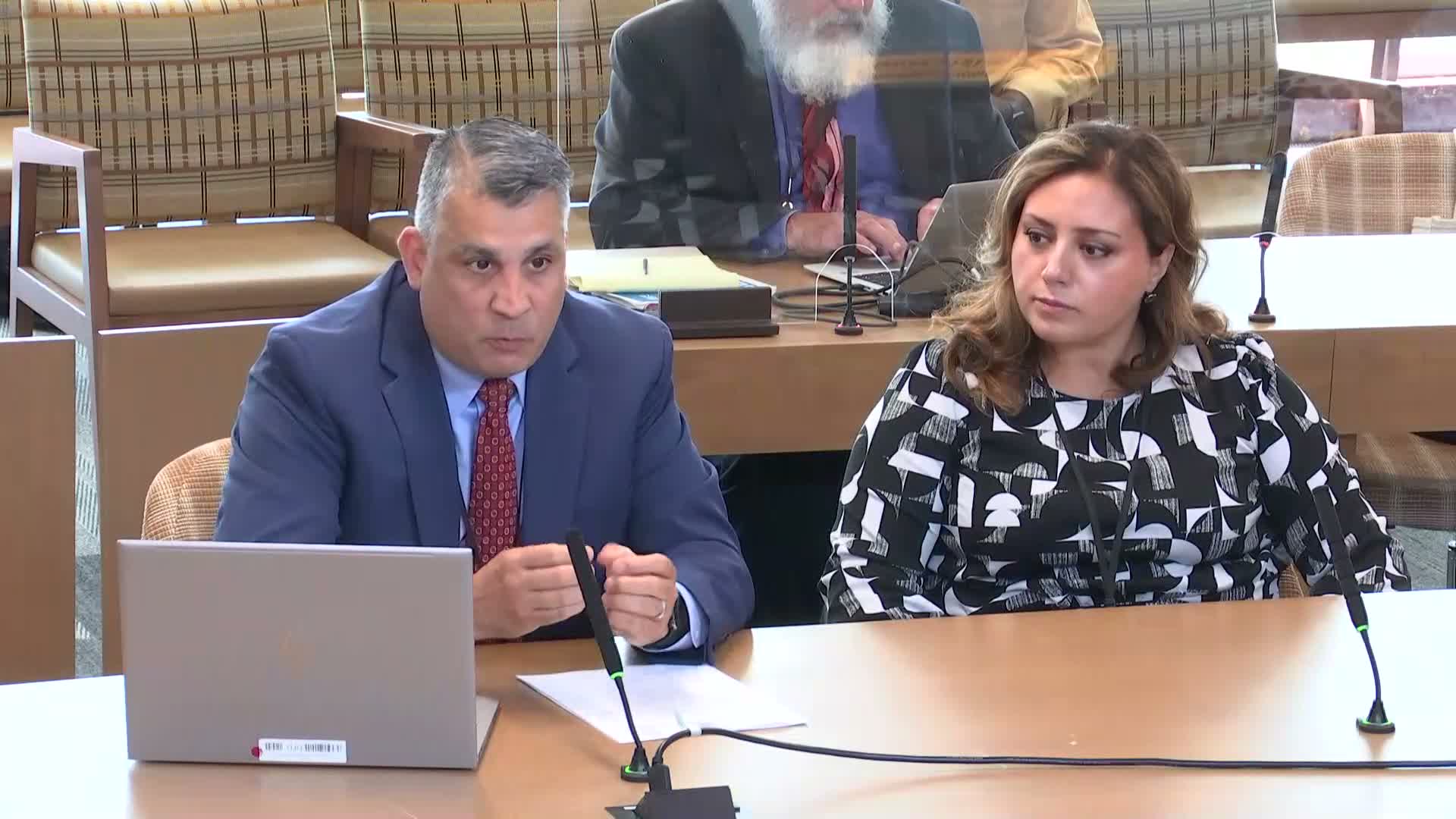
Detroit Fire Department officials told the Public Health and Safety Standing Committee on June 16 that they plan to implement a nurse-navigation program intended to reduce non-emergent 911 responses and better match residents to appropriate care.
Second Deputy Commissioner Derek Hellman said the department fields about 150,000 calls a year and estimates roughly 25% are low-priority and could be managed without immediate ambulance dispatch. Under the proposed model, low-priority calls would be triaged by dispatch and transferred to a nurse who could provide clinical assessment, schedule transport, recommend urgent care or telehealth, or re-escalate an incident to 911 if it is a true emergency.
"This is going to transform the way 911 services are done within the city," Hellman told the committee. He outlined a procurement and implementation timeline: Q3 bid review and site visits to choose a vendor, Q4 contract negotiation, a pilot beginning in January, a soft rollout in Q1, and a broader rollout in March–April. Hellman said the selected vendors include telehealth and translation capabilities (he said the system can translate up to 200 languages).
City members expressed general support and asked questions about vendor selection, language access and integration with existing health-department services that provide rides for expectant mothers. The chair and Member Waters said the program aligns with models used elsewhere and could reduce costs and crew fatigue by avoiding unnecessary ambulance responses.
Hellman said the city will publicize the program and run a PR campaign so residents understand that calling 911 will not preclude being directed to other appropriate services.
The committee did not vote on the program June 16; members asked department staff to return with the chosen vendors and further details once procurement completes the bid review process.