Get Full Government Meeting Transcripts, Videos, & Alerts Forever!
Get email alerts on the Emergency Services topic
No spam. Unsubscribe anytime.
Detroit Fire Department outlines nurse-navigation pilot to divert non-emergency 911 calls
Summary
Detroit Fire Department presented a nurse-navigation proposal that would route low-priority 911 medical calls to nurses to reduce non-emergent ambulance responses; DFD estimated about 150,000 annual 911 calls with roughly 25% non-emergent calls and proposed vendor selection in Q3 with a pilot beginning January.
The Detroit Fire Department on Monday described a nurse-navigation program it says could reduce ambulance dispatches for non-emergency 911 calls by routing lower‑priority medical calls to trained nurses.
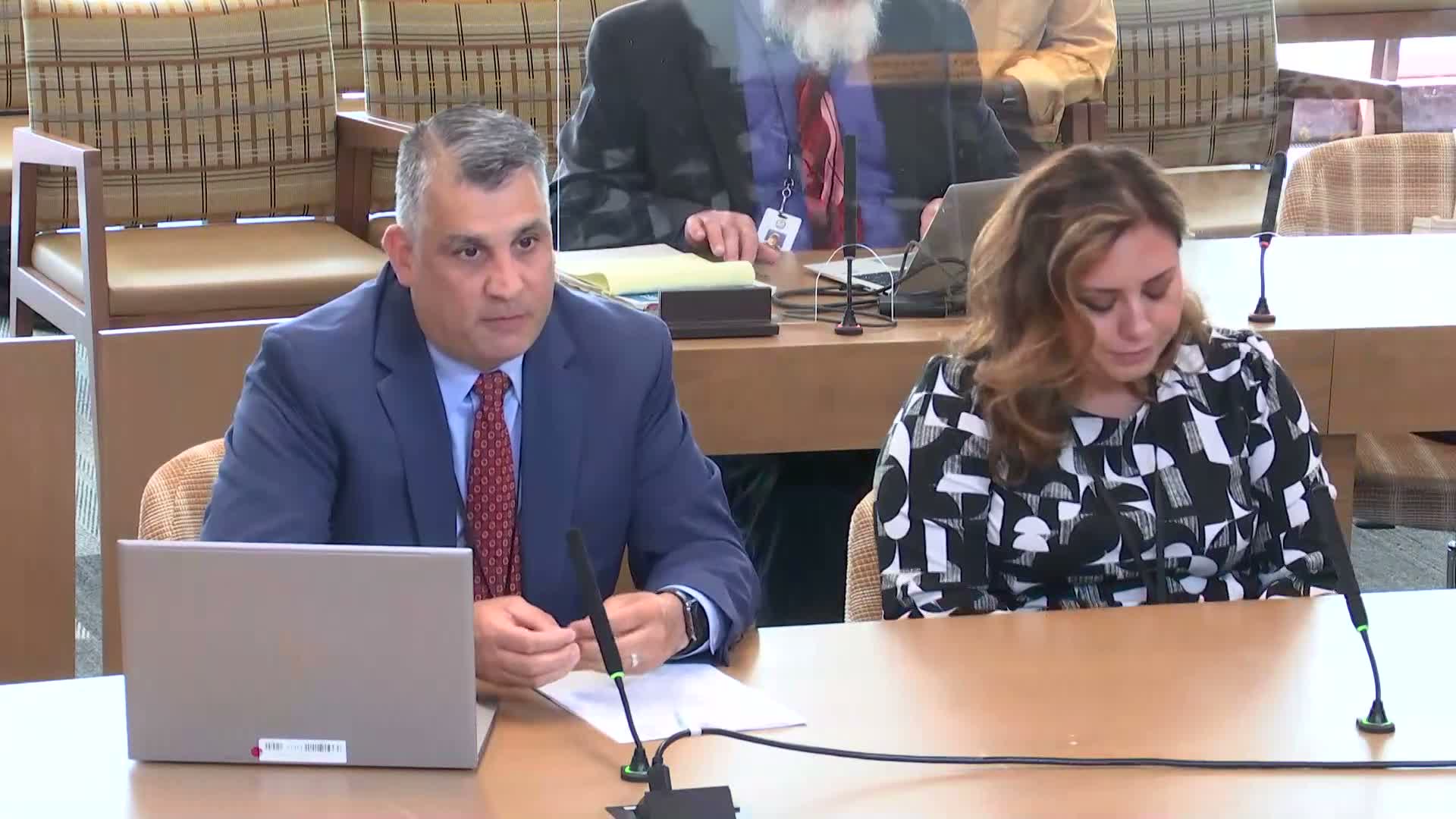
Derek Hellman, second deputy commissioner for the Fire Department, told the Public Health & Safety Committee that Detroit receives roughly 150,000 911 calls annually and estimates about 25% are non‑emergent. Under the proposed model, low‑priority calls would be transferred to a nurse who could provide triage, schedule transport, recommend urgent care or connect callers to telehealth or primary‑care appointments. If a nurse determines a call is a true emergency, the call would be immediately elevated back to 911 for ambulance dispatch.
Why it matters: DFD said the model is already used in other jurisdictions and could reduce costly ambulance responses, lower costs for residents and help crews avoid fatigue by freeing emergency resources for higher‑priority calls. Hellman said the department is looking at a vendor procurement timeline that would conclude a bid review in Q3, execute a contract in Q4, and begin a pilot in January with broader rollout in the spring.
Accessibility and implementation: Committee members asked whether the service would serve non‑English speakers; Hellman said vendors under consideration have phone-based translation capable of up to 200 languages. The department also said the program would include a public information campaign and close coordination with the police-operated call-dispatch center that initially receives 911 calls.
Next steps: The department will continue procurement and vendor site visits; committee members expressed broad support and scheduled further review when vendors are selected and the pilot design is ready for committee oversight.
Representative quote: “When somebody calls 911 in January, they'll actually be asked, ‘Would you like to talk to a nurse?’” Hellman said, describing how calls flagged as low priority could be routed to clinical staff for alternatives to an ambulance response.