Get Full Government Meeting Transcripts, Videos, & Alerts Forever!
Get email alerts on the Nurse Navigation topic
No spam. Unsubscribe anytime.
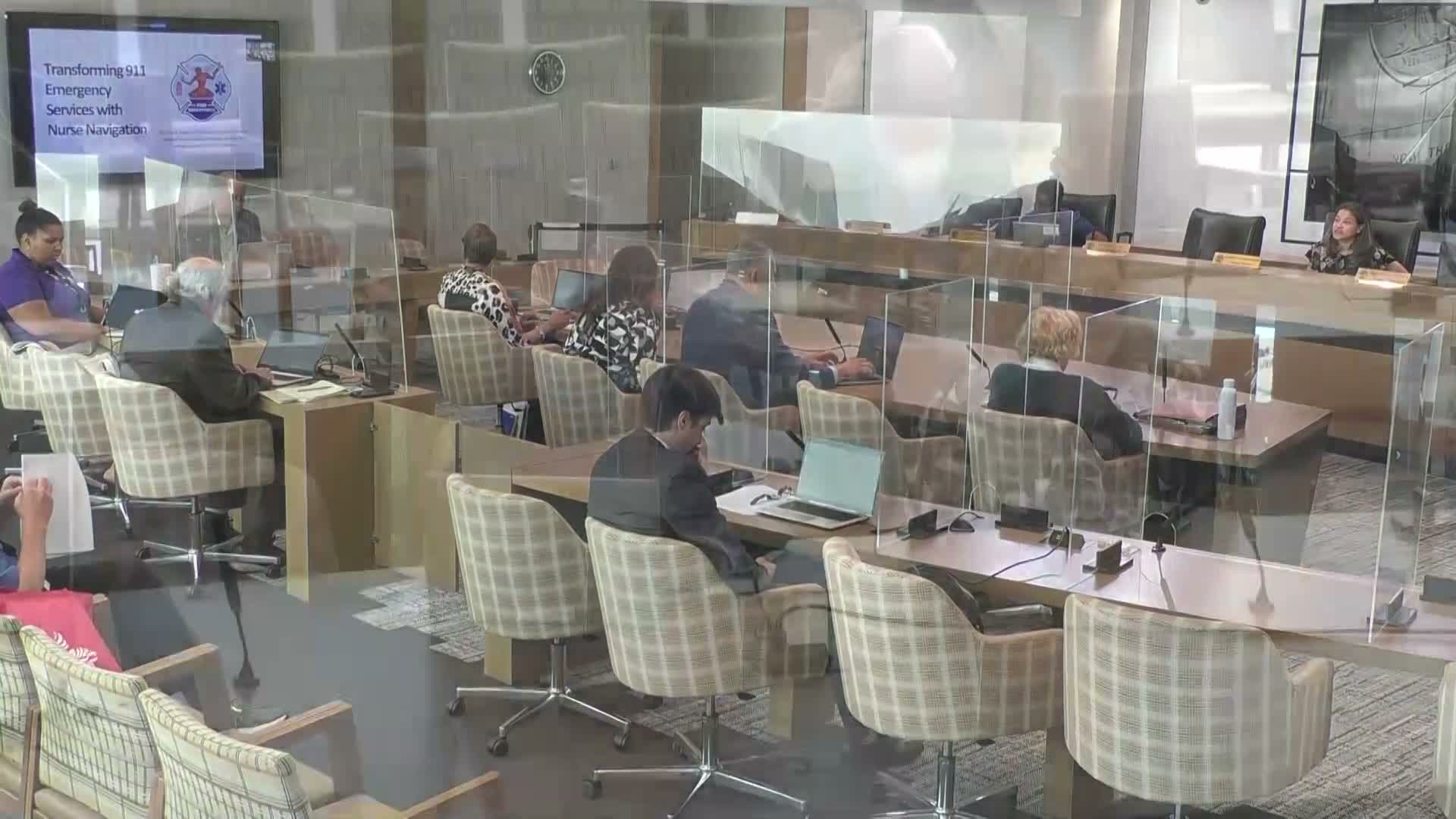
Detroit Fire Department outlines nurse-navigation pilot to divert low-priority 911 calls
Summary
Detroit Fire Department officials told the committee they plan a nurse-navigation program to triage low-priority 911 calls, aiming to reduce non-emergency dispatches from an estimated 25% of 150,000 annual calls; procurement steps begin in Q3 with a pilot planned for January and full rollout next spring.
Detroit Fire Department officials on June 16 presented a nurse-navigation plan intended to route non-emergency 911 calls to clinical staff and community resources rather than automatic ambulance dispatch.
Second Deputy Commissioner Derek Hellman described the problem as an increased volume of low-priority calls—roughly 25% of roughly 150,000 annual 911 calls, he said—that strains emergency resources and dispatches crews to non-emergent situations. Under the proposed model, dispatchers will transfer low-priority calls to a nurse who will assess whether a telehealth visit, urgent-care referral, scheduled transport, or other non-ambulance service can address the caller’s need. If a call is an actual emergency, it will be routed back to 911 for immediate ambulance response.
"We're trying to get them to the right service," Hellman said, calling the program a way to improve health equity and reduce costly emergency-room transports. He said the vendors under consideration offer telehealth and real-time language-translation capabilities that cover many non-English languages.
Officials outlined a procurement and rollout timeline: a Q3 bid review and vendor selection, contract negotiations by Q4, a pilot starting in January, a soft rollout in Q1 to test transfers off 911, and a planned full rollout in Q2. The department said the program is used in other jurisdictions and can reduce costs, improve deployment of emergency crews for high-priority incidents, and offer more appropriate care pathways for callers.
Council members asked practical questions about translation services, connections with the health department’s transportation resources for expecting mothers, and vendor affiliations. Staff said they will provide additional details on the vendor networks and clinical partners once a vendor is selected.
What happens next: Officials will continue procurement steps; the committee requested follow-up once vendors are chosen and as the pilot approaches. No formal vote or contract award occurred at this meeting.
Why it matters: If implemented, the program could change how Detroit deploys emergency medical resources, potentially improving response times for high-acuity calls and reducing costs associated with non-emergent ambulance transports.