Get Full Government Meeting Transcripts, Videos, & Alerts Forever!
Get email alerts on the 911 Nurse Navigation topic
No spam. Unsubscribe anytime.
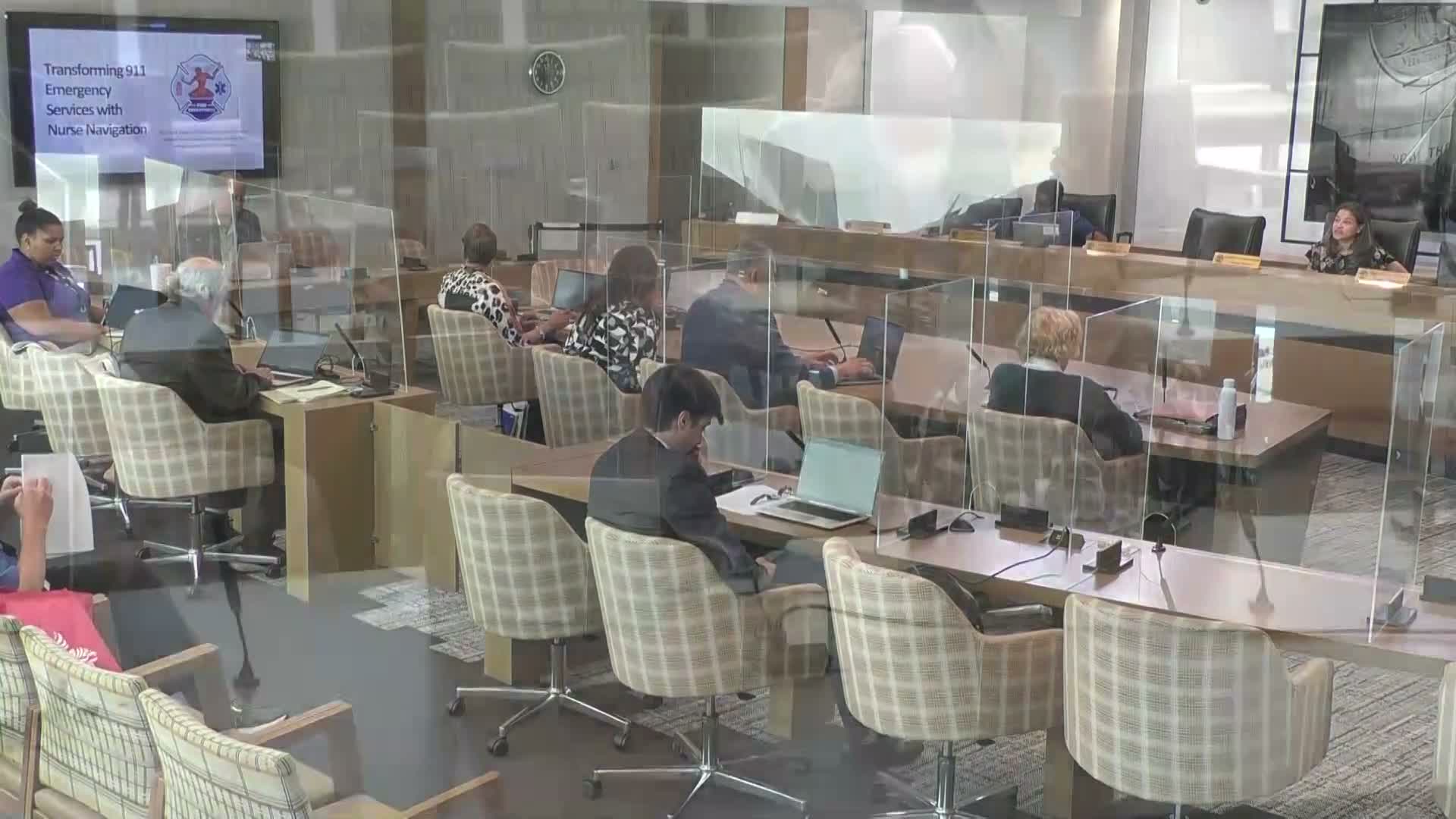
Detroit Fire Department outlines nurse-navigation pilot to divert low-priority 911 calls
Summary
The fire department presented a nurse-navigation program to triage low-priority 911 medical calls (about 25% of 150,000 annual calls), aiming for vendor selection in Q3, a pilot starting in January and a full rollout next spring; council welcomed the plan and asked about translation services.
The Detroit Fire Department told the Public Health & Safety Committee it plans to launch a nurse-navigation program to triage nonemergency 911 medical calls and connect residents with alternatives such as telehealth, urgent care or scheduled transport.
Derek Hellman, second deputy commissioner, said the department fields about 150,000 911 requests annually and estimates roughly 25% are low-priority medical calls that strain emergency resources. "So, what we're trying to do is change that aspect," Hellman said, describing a process in which dispatchers transfer low-priority calls to a nurse who can provide quality control, arrange urgent-care referrals, schedule transport or escalate true emergencies back to 911.
The department said it is in a bid-review process with two vendors under consideration, expects to select a vendor in Q3, and plans a pilot in January followed by broader rollout by spring (Q2) of the following year. Hellman said vendors being considered include translation capabilities for up to 200 languages.
Why it matters: The department said nurse navigation would reduce unnecessary ambulance dispatches, lower costs for residents, and reduce crew fatigue so that ambulances are available for high-priority calls. Committee members asked about the program's coordination with the health department and capacity to serve non-English speakers.
Council response: Members expressed support and asked staff to provide vendor details as they become available. The chair said the council will request more information once vendors are selected and invites further briefing when the pilot launch approaches.
What the record does not show: Contract values, vendor names, detailed operational protocols, and metrics for evaluating pilot success were not provided in the committee presentation.
Next procedural step: Department expects to complete vendor selection in Q3 and to return to the committee with further details prior to the pilot.