Get Full Government Meeting Transcripts, Videos, & Alerts Forever!
Get email alerts on the Transit Security topic
No spam. Unsubscribe anytime.
Transit riders, advocacy groups press Detroit committee to investigate metal detectors and denied shelter at Rosa Parks and Jason Hargrove centers
Summary
Riders and transit advocates told the Public Health & Safety Committee that private security and new metal-detector policies at Rosa Parks and Jason Hargrove transit centers are preventing people from waiting inside, deterring transit use and risking heat- and cold-related harm for seniors and people with disabilities; the committee signaled it will raise the issue with DDOT during contract discussions.
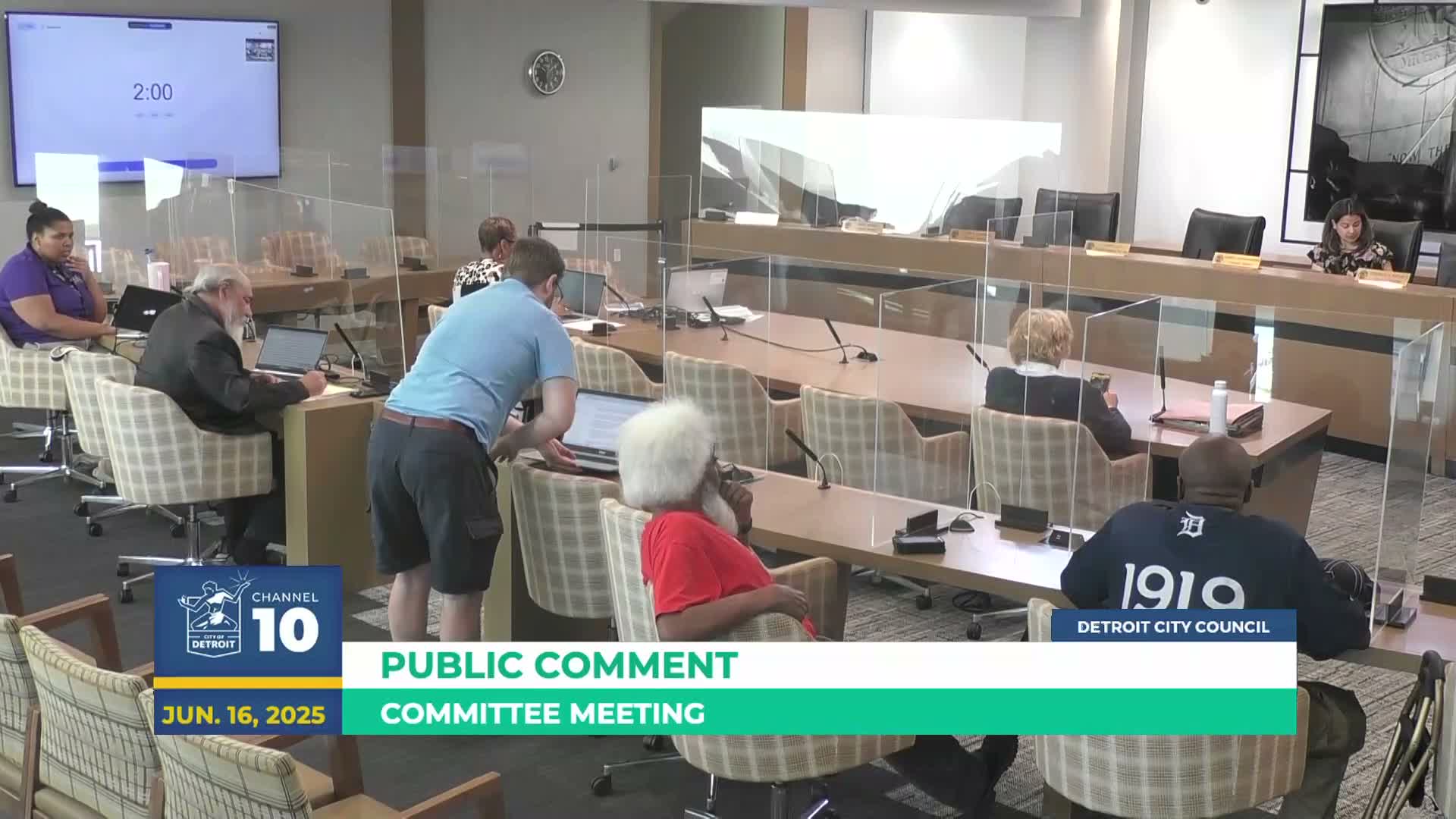
Public comment at the Detroit City Council’s Public Health & Safety Standing Committee meeting on June 16 centered on complaints that security measures at the city’s major transit hubs are excluding riders who need to shelter from heat and cold.
“Metal detectors are cool, but to tell people they can’t sit down” inside the Rosa Parks Transit Center is unacceptable, said Michael Cunningham during in-person public comment, urging council staff to send someone to test enforcement without a council badge. Joel Batterman, campaigns manager for Transportation Riders United, said private security are searching everyone who enters and that the measures may criminalize transit riders, deter use and particularly harm seniors and people with disabilities who rely on indoor waiting areas.
“Denying transit riders access to a warm or air conditioned space to wait for their buses, many of which arrive only once per hour, is outrageous,” Batterman said, urging the committee to inquire into alternatives to the current approach.
Multiple callers who phoned in and others who spoke later reinforced those concerns. Lucas Lisakian of Transportation Riders United described being threatened by a guard and said the level of screening felt like a stop-and-frisk applied without individualized suspicion. Bernard Majenski of Transit Justice said private security at the centers were not properly trained to handle alternative screening for people with pacemakers, cochlear implants, or histories of sexual assault, and warned the city may face lawsuits and risk harming vulnerable riders.
The committee chair acknowledged the concerns and told attendees the committee had DDOT contracts on the agenda and would try to raise these complaints with the department. Chair said the committee may invite DDOT leadership to a future session or press questions during the scheduled contract discussions.
What happens next: Council members said they will try to surface the public comments during the DDOT contract items later on the agenda and to seek more detail from DDOT about the contractor providing security, the training those guards receive, and any policies that bar riders from using indoor waiting areas. The committee did not take formal action on the transit-center operations during the meeting, but members said they will follow up during contract oversight and quarterly DDOT updates.
Why it matters: Transit centers are often the only indoor respite for riders, including seniors and people with disabilities. Callers argued that denying access to waiting rooms undermines public-health protections and could deter transit ridership, with equity implications for people who rely on public transportation.