Get Full Government Meeting Transcripts, Videos, & Alerts Forever!
Get email alerts on the Land Use topic
No spam. Unsubscribe anytime.
Highlands at North Hill PUD sparks heated council debate over walking path, bond and development rules
Summary
Council approved accepting a bond in lieu of immediate walking-path construction for the Highlands at North Hill PUD to allow issuance of building permits, but the item prompted a lengthy debate over precedent, developer obligations and whether the city’s development rules hinder building activity.
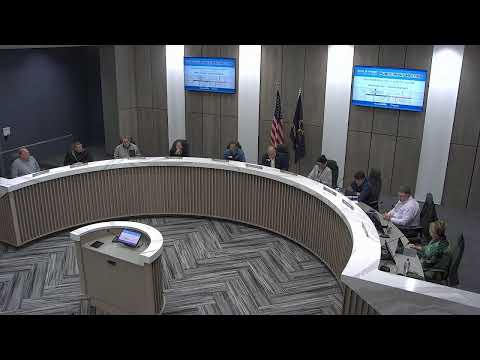
Councilors spent nearly two hours debating whether to accept a bond in place of immediate construction of a short walking path required by a long-standing PUD, a condition some aldermen and nearby homeowners oppose.
Alderman Pittner moved to allow issuance of building permits conditioned on the developer posting a bond to guarantee installation of the walking path by Nov. 1, 2026; the motion was seconded and carried 5–1 with Alderman Fuller opposed and Alderman Hayes abstaining because of a disclosed financial relationship to building activity in the subdivision.
Alderman Fuller argued the city is imposing outdated and onerous conditions that make development harder and singled out the 385-foot path requirement as an example of a rule that now “goes nowhere” and lacks maintenance support. Fuller urged the council to unilaterally disregard the requirement to avoid discouraging builders, calling it “absurd” in the context of more than 8,200 feet of existing subdivision sidewalks.
Alderman Pitner and others rejected bypassing the formal amendment process, warning that waiving agreement elements at the dais would create a bad precedent and unfairly disadvantage neighbors and buyers who bought into the development with certain expectations. Staff and the city attorney noted the city now relies on bonding or extensions in winter construction windows and said current practice avoids hard stop deadlines commonly found in older agreements.
The motion approved a compromise: allow a bond so model-home construction can proceed, but direct staff to vet a more streamlined, transparent process for amending development agreements and to return to council with options — including required notice and public hearings — before the Nov. 1 window closes. The city attorney reminded council members of conflict-of-interest law and Alderman Hayes formally disclosed a direct relationship and abstained from the vote.
The action lets the developer move forward under bond while prompting staff to examine whether the city’s development-agreement amendment procedures need revision to reduce friction for future projects.