Get Full Government Meeting Transcripts, Videos, & Alerts Forever!
Get email alerts on the 911 Reform topic
No spam. Unsubscribe anytime.
Detroit Fire Department outlines nurse‑navigation pilot to divert low‑priority 911 calls
Summary
Detroit Fire Department pitched a nurse‑navigation program to route non‑emergency 911 calls to nurses for triage, scheduling and telehealth; department officials said roughly 25% of call volume is low priority and described a Q3 procurement timeline leading to a January pilot.
City fire officials detailed a plan to introduce nurse navigation into Detroit’s 911 dispatch system that would direct low‑priority medical calls to nurses who can triage, schedule transport or connect callers to telehealth and primary care.
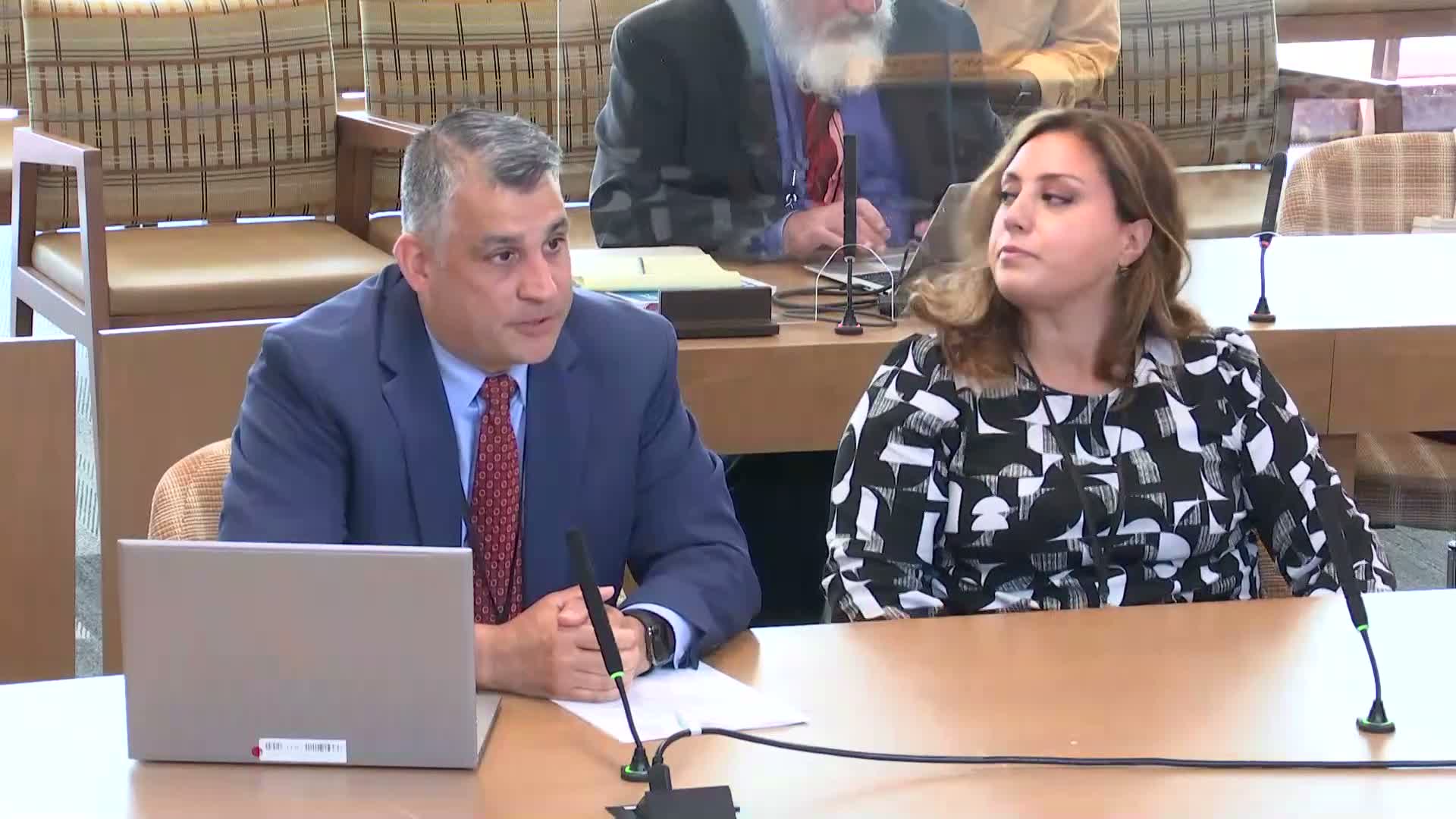
"The Detroit Fire Department sees approximately 25% of our requests are low priority," said Derek Hellman, second deputy commissioner, during a presentation to the Public Health & Safety committee. Hellman said the department fields about 150,000 911 calls per year and that diverting non‑emergent calls could reduce ambulance deployments for minor incidents and free crews for true emergencies.
Under the plan officials sketched, police‑operated dispatchers would prioritize calls and transfer identified low‑priority calls to a nurse for quality control and routing. Options offered by the nurse would include telehealth, scheduled transportation to an urgent care, or referral back to 911 if the situation is an emergency.
Hellman described a procurement and rollout schedule that would begin vendor selection in Q3, finalize a contract in Q4, start a pilot the following January and pursue a broader rollout the next spring after a soft launch and monitoring. He said vendors under consideration include translation and telehealth features; "one of the companies actually has an ability through their phone to actually translate up to 200 different languages," Hellman said.
Committee members expressed support and asked for vendor details and assurances about language access and continuity with existing health‑department programs. Chair Gabriela Santiago Romero said council would request information about the selected vendors and how nurses and telehealth would integrate with local resources.
No formal vote was required during the briefing; members asked staff to return with vendor and implementation details as the process advances.